

Jewish Law
Honoring Parents in Jewish Law: 10 Powerful and Surprising Halachic Insights
Teachings that challenge how we understand respect, obligation, and love
- Yonatan HaLevi
- | Updated
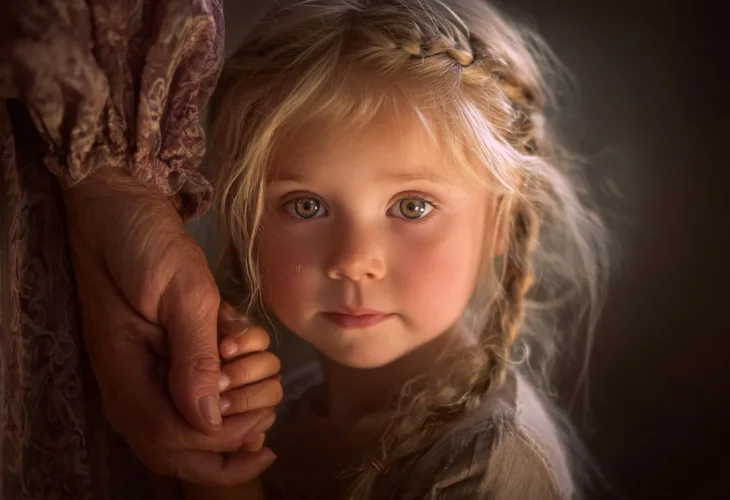 A conversation about respect, tradition, and family bonds.
Honoring one’s parents is one of the central commandments in the Torah, yet it raises complex and sometimes challenging questions: Is an elderly person obligated to honor their parents? If someone has no parents, can they still fulfill the mitzvah? Is an adopted child obligated to honor his biological parents who did not raise them?
From the halachic work Yalkut Yosef, following are 10 surprising, moving, and sometimes demanding laws that deepen our understanding of this great mitzvah in everyday life.
1. A Torah Commandment
“Scripture states (Shemot 20:12): ‘Honor your father and your mother.’ This is a positive commandment from the Torah to honor one’s father and mother.”
2. Father, Mother, and God
“One must be extremely careful regarding the honor and reverence of one’s father and mother, for Scripture equates their honor and reverence with that of God. The Sages said: ‘There are three partners in a person — God, the father, and the mother. When a person honors his father and mother, the Holy One, blessed be He, says: I consider it as though I dwelled among them and they honored Me.’”
3. What If Someone Has No Parents?
“One who has no father or mother has several ways to fulfill the mitzvah:
He can fulfill honoring parents by honoring them after their death.
It is proper to honor elders and Torah scholars, or an older sibling, as one would honor parents.
He should honor Shabbat with clean clothing and maintain sacred books in a dignified and beautiful manner.
He should honor and revere his teachers and sages, similar to honoring parents — this is considered as though he fulfilled the mitzvah of honoring and revering parents.
He should encourage others who have parents but fail to honor them properly; by doing so, it is considered as though he himself fulfilled the mitzvah.”
4. Is There a Difference Between Honoring a Father and a Mother?
“All the laws of honoring parents apply equally to men and women, and there is no distinction between honoring a father and honoring a mother. Wherever an obligation toward a father is mentioned, it applies equally to a mother, and vice versa.”
5. Why Is There No Blessing on the Mitzvah?
“One does not recite a blessing over the mitzvah of honoring parents for several reasons, including:
Blessings were not instituted for mitzvot that human reason itself obligates.
It is among mitzvot between people.
The mitzvah may not always be applicable, since a parent may waive their honor.
Blessings were not instituted for mitzvot that apply constantly without interruption.
6. Must an Elderly Person Honor Their Parents?
“Even one who has a spouse and children and has himself reached old age is still obligated in reverence and honor toward his parents, including standing up in their presence.”
7. Educating Young Children to Honor Parents
“Even a young boy or girl who has not yet reached the age of mitzvot must be educated to honor their parents properly. This includes training them to stand before their parents, not to sit in their designated place, not to interrupt them, and similar laws of honor and reverence. It is proper that parents not waive their honor with young children, so that the children become accustomed to fulfilling the mitzvah.”
8. An Adopted Child and Biological Parents
“Even one whose parents gave him up for adoption in his childhood and did not raise him at all is still obligated to honor them properly. Likewise, a child raised in a secular environment is still obligated to honor his parents in all the laws of honoring parents, even if the father is wicked. Similarly, a child born after his mother’s divorce who never had a relationship with his father, even if the father legally waived all rights and connections to the child, is still obligated in the mitzvah of honoring his father. If the father dies, the child must observe the laws of mourning, including shiva, shloshim, and the twelve months of Kaddish.”
9. Even a Mamzer Must Honor His Parents
“A mamzer is obligated to honor and revere his father and mother, even if his father is wicked and sinful — he must still honor and fear him.”
10. Difficult Parents with Harsh Traits
“The mitzvah of honoring parents applies even when the parents are demanding, burdensome, or cause their children distress, especially in old age. This includes parents who curse their children, have difficult personalities or opinions, behave unusually, or lack basic manners. Even if everyone sympathizes with the children, they are still obligated in honor and reverence and may not demean or disrespect their parents.
However, if the parents’ behavior is truly unbearable — for example, if they have severe negative traits acknowledged by others, if a parent is a drunkard, or is excessively angry, the son or daughter may distance themselves and avoid contact, even though this limits their ability to actively honor them.”

