

Relationships
Tolerance in Relationships: The Missing Key to Harmony
A reflection on how the war of identities damages connection and how tolerance opens the door to respect, care, and lasting love.
- Rabbi Hagai Tzadok
- | Updated
 (Photo: shutterstock)
Yesterday, I spoke with several people about the painful reality faced by many couples who experience serious difficulties in their relationships and for various reasons do not seek counseling. Once again, I felt deep sorrow for those who are suffering quietly.
That conversation motivated me to write the following.
Unlike the common way relationships are often discussed, where the focus is on how men are one way and women another, I want to share what lived experience teaches us. There is one central point that repeatedly emerges as a key to relationship health.
The Most Central Trait in a Relationship
There are many qualities that help a relationship thrive. Yet one stands out as especially fundamental.
Tolerance.
Why is tolerance so essential?
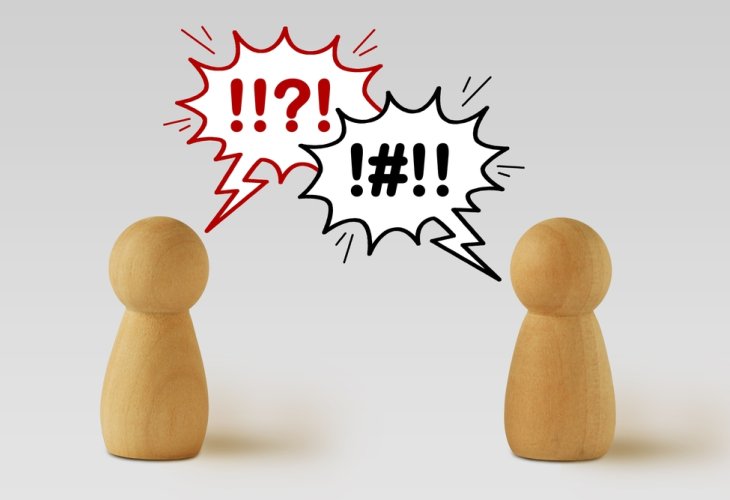
If we look closely, one of the main obstacles in relationships is what can be called a war of identities.
The War of Identities
What does this mean?
Think about how often conflicts revolve around questions of identity. Who I am. I am organized. I am caring. I am generous. I am open. I am thoughtful. Each partner is, consciously or not, fighting for the survival of their self image in the eyes of the other.
This war of identities appears clearly in communication.
One partner may ask for something simple, sometimes even something deeply meaningful to them. Instead of responding to the request, the other partner reacts defensively. What about you? I give so much and you still complain. Very quickly, the conversation shifts from the issue itself to a personal battle of I versus you.
The discussion stops being about the topic and becomes about protecting identity.
How This Affects Daily Life
This dynamic is not limited to spoken conversations. It exists in thoughts, reactions, and behavior. It plays out in countless situations, large and small.
Now ask yourself. If we could change this inner state, if we could soften the war of identities, would that not open the door to greater harmony, care, and love?
Experience shows that it does.
The Role of Tolerance
The answer begins with tolerance.
Tolerance for different opinions.
Tolerance for mistakes.
Tolerance for different traits.
Simply, tolerance.
When tolerance exists, respect grows naturally. Communication becomes more respectful and more focused on the issue rather than the person. There is less attacking and defending, and more responding and understanding.
Instead of reacting to who the other person is, we respond to what is being discussed.
When the Atmosphere Changes
As tolerance increases, the entire atmosphere of the relationship changes.
Acceptance fills the space. There are fewer complaints and more understanding. There are more smiles and less tension. The home feels lighter. Something fundamental shifts.
Tolerance does not erase differences. It allows differences to exist without turning them into threats.
What Comes Next
How do we develop this kind of tolerance in real life?
That is a process. And it is one we will explore in upcoming articles.

