

Wonders of Creation
The Pomegranate of Rosh Hashanah: Meaning, Beauty, and Health Benefits
Why the pomegranate symbolizes abundant merit, royal beauty, and nourishment in Jewish tradition
- Debbie Reichman
- | Updated
 (Photo: shutterstock)
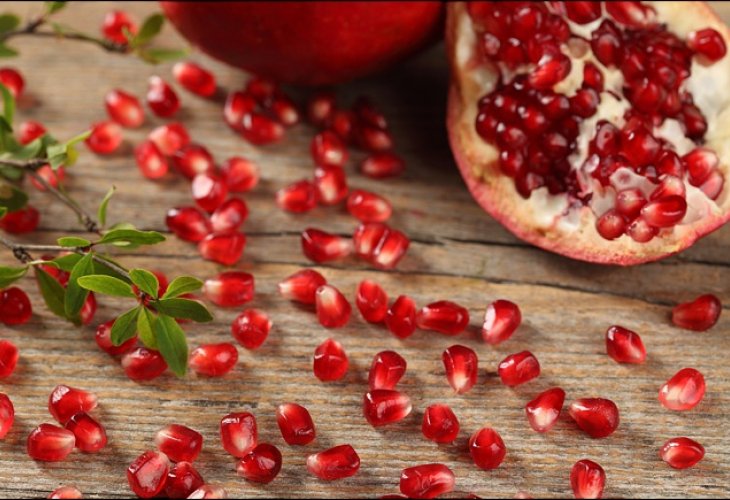
Among all the symbolic foods eaten on Rosh Hashanah, one of the most beloved and prominent is the pomegranate. The pomegranate is a fascinating, beautiful, and regal fruit. As is well known, it contains a very large number of seeds. This is the reason we eat it on Rosh Hashanah and pray, “May our merits be as numerous as the seeds of a pomegranate.”
Botanical Classification
From a taxonomic perspective, the pomegranate belongs to the pomegranate family. However, the term “family” is almost too generous, since it is the only plant in this family. The pomegranate is considered a close relative of the myrtle.
Varieties and Tree Structure
There are many varieties of pomegranate, which differ in size and in the number of flowers they produce. For example, some pomegranate varieties are grown for ornamental purposes and have many large, full blossoms compared to other varieties.
Pomegranate trees can reach a height of about 5–6 meters, with a width of approximately 3–4 meters. At the same time, there are also dwarf varieties of pomegranate trees.
Seasonal Beauty
Pomegranate trees are especially beautiful throughout the year. Toward the end of winter, the budding of red pomegranate flowers can already be seen. In spring, the trees display full red blossoms set against a backdrop of vibrant green leaves. The fruits ripen in summer, and their deep red hues make the tree particularly striking. Even in autumn, during the season of leaf fall, the tree remains impressive as its leaves turn a distinctive yellow before dropping.
Color and Taste
A ripe pomegranate is red, but its exact shade varies depending on the specific variety. Some are a deeper red, while others lean toward a pinkish tone. There is even a variety of pomegranate that is almost black in color and has an exceptionally sweet taste.
Culinary and Health Benefits
The pomegranate is known for its long shelf life. Even without refrigeration, it can be stored for up to a full month without spoiling. It can be used to prepare a wide variety of foods: in its natural form it can be added to salads and other dishes, and it can also be made into juices, concentrates, syrups, and sauces used in cooking and baking. It is even possible to produce pomegranate “wine.”
From a health perspective, the pomegranate is highly recommended and is known for its many medicinal properties, especially for supporting the digestive system.

