

Relationships
Why Does Love Feel So Fragile? Understanding Emotional Dependency
When reassurance never lasts and closeness still feels unsafe, love begins to feel like survival rather than connection.
- Avraham Sheharbani
- | Updated
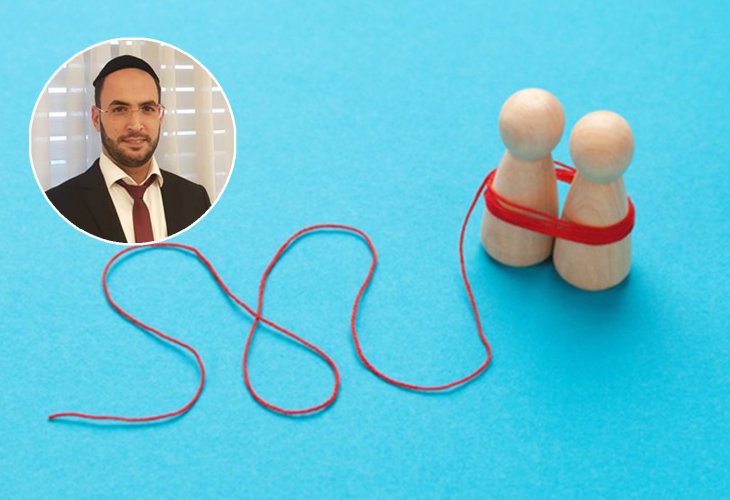 (Photo: shutterstock)
Emotional dependency, as the term suggests, is a state in which my emotional world depends on another person. My happiness, sadness, joy, or disappointment are all experienced through them. If they spoke to me today, I feel good. If they also spoke warmly to someone else, I feel bad. My emotions, thoughts, and self perception are deeply influenced by their responses.
Do you recognize the feeling of insecurity in a relationship? That constant need to hear, again and again, that you are loved. A need that never truly settles and sometimes becomes obsessive, creating distress, loneliness, and emotional exhaustion within the relationship.
When Dependency Is Natural
At its beginning, emotional dependency on a partner is natural, healthy, and even essential. A couple’s relationship is the closest bond most people experience. It is the most significant partnership in adult life. It is therefore vital to feel seen, understood, valued, and emotionally supported, even when there are disagreements or differences of opinion.
Feeling connected and emotionally reliant in a close relationship is not a flaw. It is part of intimacy.
When Dependency Becomes Harmful
Dependency becomes excessive and problematic when the need for affirmation turns into a constant requirement. This often originates in early experiences of emotional confusion, insecurity, or inner doubt during childhood or adolescence that were never fully processed.
When there was no supportive figure who could identify the distress, provide clarity, or strengthen a sense of worth during those formative years, emotional dependency can develop as a coping mechanism. The unresolved sense of inner turmoil accompanies the person into adulthood and is then reenacted within the romantic relationship.
Even when the partner is loving, attentive, and sincerely tries to reassure and calm the insecurity, the effort cannot heal the wound. The source of the pain does not belong to the present relationship but to the past. As a result, reassurance may offer temporary relief, but over time its effect fades. No amount of validation truly satisfies the inner hunger. The emotional need becomes like a bottomless pit that cannot be filled.
The Destructive Cycle
At this stage, a painful process begins. The partner who provides reassurance becomes tired and helpless. Despite genuine effort and good intentions, nothing seems to help. Frustration grows, patience wears thin, and a need for distance develops as a form of self protection.
This distance, however, intensifies the insecurity and emotional turmoil of the dependent partner. The need for affirmation increases, the doubts grow stronger, and the destructive cycle deepens. The past emotional wound is recreated in the present relationship.
Both partners feel hurt, misunderstood, and disappointed. Emotional closeness diminishes, distance increases, and suffering grows on both sides.
The Path to Healing
Healing is possible, and the process is known.
The first step begins with recognizing the excessive dependency and the constant need for validation from the partner. From there, a person must turn inward and explore the roots of their insecurity. This includes identifying when the emotional turmoil first appeared, during childhood or adolescence, and understanding which meaningful relationship it developed in response to.
Recognizing the origin of the wound allows for an essential separation between past and present. It helps clarify when the emotional intensity truly matches the current situation and when it is a reaction rooted in earlier experiences. Often, a situation in the present only needs to resemble the past for the old feelings of insecurity and turmoil to resurface in full force.
For many, this inner exploration is difficult to do alone, and professional guidance is often necessary.
Learning Self Soothing and Self Worth
The second stage of healing involves developing self appreciation, self compassion, and acceptance of both strengths and limitations.
Gradually, awareness grows. Each time old emotional patterns influence present behavior and trigger disproportionate reactions, the individual learns to identify the internal mechanism at work. With understanding and compassion, they begin to examine the situation realistically and soothe themselves without relying solely on external reassurance.
This means taking responsibility for emotional pain and seeking inner stability and calm first. For people who struggle with deep insecurity and low self worth, this process is challenging and requires guidance. Learning how to self soothe and build inner security often requires professional support and a clear therapeutic framework.
Through this work, dependency slowly transforms into emotional independence, and relationships can become places of connection rather than emotional survival.
Avraham Sheharbani is a couples and family advisor, an addiction therapist, and a lecturer in the field of family dynamics. He is a member of the Israeli Association for Couples and Family Counseling and an advisor at Hidabroot's Peace at Home department.

