

Relationships
The Illusion of Victimhood: Finding True Empowerment
What if feeling powerless is the very thing giving you a sense of control? This piece uncovers the hidden payoff of victimhood and the moment where real empowerment begins.
- Hannah Dayan
- | Updated
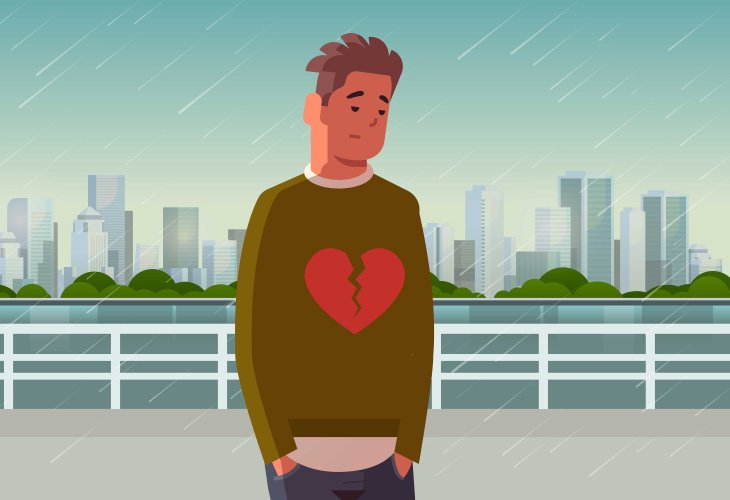 (Illustration: Shutterstock)
“I’m fed up with this whole life. I’m the only one who cares about the mess in this house. I’m the only one dealing with my mother’s problems as if there aren’t any siblings. Everything falls on me. And everyone just keeps piling more and more on top of me,” Roni complained.
“You just love to complain,” Itai shot back. “Even when we go on vacation, you complain about the hotel. When I buy you mayonnaise, you complain that I bought the wrong one.”
“No, you’re unbelievable,” she snapped. “Believe me, I should have run away the day I met you. How did I not see how insensitive you are?”
“This is all because we lived in your parents’ unit,” Itai continued angrily. “They filled your head with nonsense. If we had lived far from them like I wanted, everything would look different. Even the kids would behave better and succeed more.”
The Comfort of Blame
“All this way of thinking you live in,” I said calmly, “I call it junk food.”
“Junk food?” Itai asked sharply.
“Yes. Junk food tastes good and gives quick energy, but it doesn’t nourish the body. In fact, it harms it. Nourishing food, on the other hand, builds the body, but it takes effort to prepare.”
“So what’s our junk food?” Itai asked.
“Victim consciousness. The feeling of being a victim.”
Why Victimhood Feels So Tempting
“What’s wrong with feeling like a victim?” Roni asked. “It feels very real.”
“Victimhood hides your true value,” I answered. “It keeps you wandering with the feeling that life owes you something, that you should be somewhere else. That sense of injustice creates an inner lack that shapes how you experience reality and causes you to miss real opportunities.”
“But if it’s so harmful,” Itai asked, “why do we adopt it so quickly?”
“Because there is pleasure in victimhood,” I replied. “It gives a sense of existence. You tell your story and place yourself at the center. The ego enjoys it. But the price is enormous.”
The Cost of Being a Victim
“A victim consciousness blocks growth and influence,” I continued. “It hides your real strengths and creates the feeling that reality is against you.”
“More than that,” I added, “victimhood frees you from responsibility. If everything is happening to you and nothing depends on you, life feels easier. But Hashem wants us to be choosers. A person who lives as a victim is declaring that they have no choice.”
“When we choose,” I explained, “we move into a consciousness of abundance. We recognize that we have value and influence to bring into the world.”
“In relationships, victimhood is especially destructive. When you feel like a victim, you don’t bring your full strength into the partnership. Somewhere inside, you believe you might have been better off elsewhere, so you hold back.”
Victim or Influencer
“How do we know if we’re stuck in a victim consciousness?” Roni asked quietly.
“There are clear signs,” I answered. “If you constantly carry inner complaints about your reality, even if you don’t say them out loud. If you feel no inner fire to give, to build, to contribute at home. If everything feels heavy and forced.”
“When a person becomes a chooser,” I said, “they enter a consciousness of influence. They stop asking, ‘Why is this happening to me?’ and start asking, ‘What is my role here?’”
The Path Out of Victimhood
“How do we reach that place?” Roni asked. “It sounds almost impossible.”
“It’s a process,” I said. “First, you must recognize that the pleasure of victimhood is false, just like junk food. It fills you temporarily but leaves you weak.”
“Second, you choose. Real choice means giving up the easy pleasure of complaining and focusing on something higher, even when it requires effort.”
“Third, you strengthen this awareness by focusing on the good that already exists. The partner Hashem chose for you. The children you have. The opportunities within your current reality.”
“When you do this work consistently,” I concluded, “you begin to grow. You create from a place of inner peace. You start noticing where you influence your home and where growth is possible.”
“This requires persistence,” I added. “Until influence becomes second nature, and victimhood is no longer your escape.”
Inspired by the lecture of Dr. Yechiel Harari.

