

Health and Nutrition
Dried Fruits for Tu b'Shevat: Benefits, Risks, and What You Must Know Before Eating
The hidden additives, health concerns, and smart tips for enjoying dried fruits this holiday
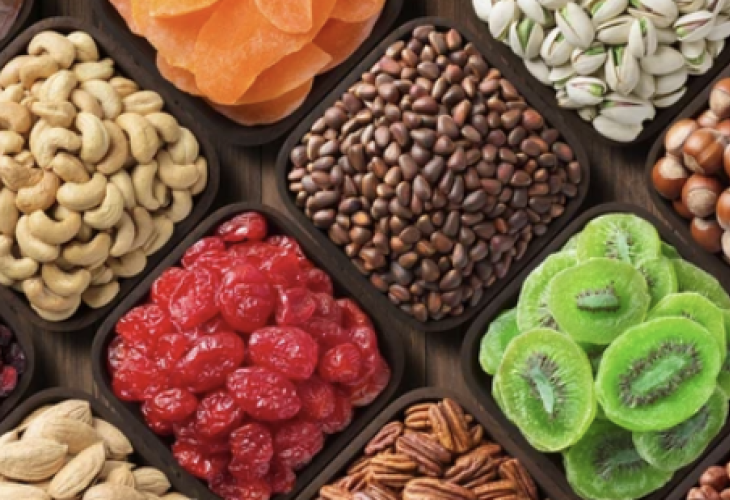
Tu b'Shevat is just around the corner, and it’s the perfect opportunity to enjoy dried fruits — many of which people rarely eat throughout the year. Raisins, prunes, dried apricots, and dates are all rich in beneficial nutrients such as antioxidants and dietary fiber.
However, it’s important not to overdo it, and several health considerations are worth noting.
Before we get to the cautions, following are some positive qualities of popular dried fruits:
Health Benefits of Common Dried Fruits
Raisins
Raisins are rich in vitamin B6, potassium (which helps regulate blood pressure), iron, and antioxidants.
Prunes
Prunes contain high levels of potassium and antioxidants and are well known for supporting healthy digestion and preventing constipation.
Dates
Dates are considered the healthiest dried fruit to consume, since their drying process typically does not involve added sugar, preservatives, or additives. Dates naturally contain natural sugars, minerals, high levels of iron, magnesium, dietary fiber, antioxidants and vitamins E and B.
Apricots
Dried apricots contain iron, potassium, and the powerful antioxidant beta-carotene, which also appears in carrots and helps support the immune system.
Why You Should Be Cautious: What to Watch Out For
1. Sulfur Additives
To preserve color, manufacturers often add sulfur dioxide — a pungent gas produced from burning oil. Excessive consumption of sulfur can lead to various health problems, particularly respiratory issues.
2. Glycerin Additives
Manufacturers use glycerin to keep dried fruits moist.
However:
Glycerin is also used in soap production to stabilize fats.
Kashrut-conscious consumers must be careful, since glycerin is sometimes derived from non-kosher animal sources, including pork.
3. Artificial Food Coloring
Bright, almost glowing dried fruits often contain artificial colors.
These additives have been linked to:
Respiratory issues
Shortness of breath
Migraines and severe headaches
Stomach pain
Behavioral issues in children
4. Artificial Flavors and Fragrances
To cover the sulfur smell, manufacturers add artificial flavorings and scents. These chemicals extend shelf life and enhance taste and appearance, but strip the fruit of its original nutrients and enzymes, leaving it nutritionally “empty.”

