

History and Archaeology
How to Handle Post-Purim Candy: Expert Tips to Protect Your Child’s Teeth
A pediatric dental specialist explains which sweets to avoid, how much is safe, and the best timing to minimize tooth damage
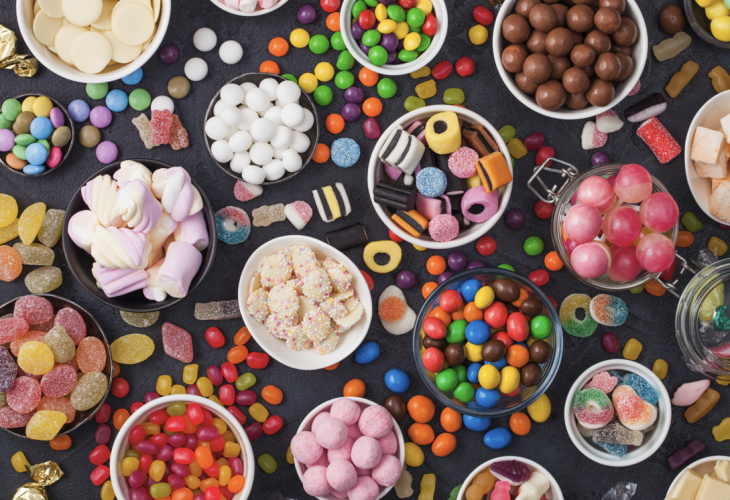
On Purim it seems impossible to avoid sweets, but what should you do with them in the days after Purim? Is it wise to leave all the candy available for children to eat “until it’s gone”? Or should parents take a smarter approach?
Dr. Tal Ratzon, a specialist in pediatric dentistry, offers clarity on how to handle the mountain of leftover treats.
The Hidden Dangers in Candy
According to Dr. Ratzon, it is best to get rid of as much candy as possible rather than letting children eat it freely.
Most candies contain harmful substances, including:
Artificial food coloring, many of which have been linked to cancer
High amounts of salt
Extremely large quantities of sugar
These ingredients pose risks not only for kids — but also for adults who love sweets all year long, not just on Purim.
Candy That Damages Teeth
Dr. Ratzon strongly recommends eliminating candies that stick to the teeth, such as:
Toffee and chewy caramels
Sticky gummies
Anything that adheres to enamel or the roof of the mouth
These can cause permanent damage not only to the teeth but to the entire oral cavity.
Timing Matters
If you choose to let children enjoy some of the candy, Dr. Ratzon emphasizes that timing is crucial.
Candy should be eaten after a meal, not before. “Every time we eat, the acidity in the mouth rises, causing microscopic erosion of the enamel,” he explains.
Saliva eventually lowers the acidity, but:
Eating sweets throughout the day keeps acidity high for too long
This greatly increases the risk of cavities
By eating sweets immediately after a meal, the child benefits from the natural saliva flow that is already helping reduce acidity.
How Much Candy Is Reasonable?
Dr. Ratzon recommends limiting consumption to:
One or two small candies,
Only after a meal
Avoid letting children graze on candy all day.

