 עברית
עברית

Living with Multiple Sclerosis: What You Need to Know
In honor of MS Awareness Day, we explore this disease affecting mostly young people, its causes, and treatment options.
 (Photo: Shutterstock)
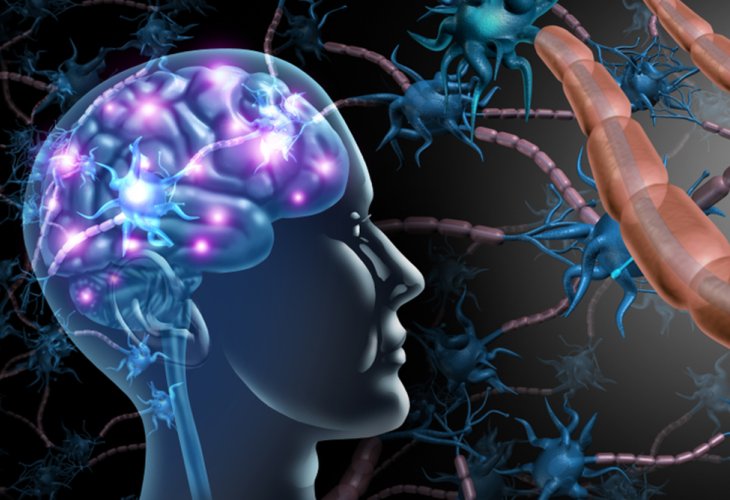
Multiple Sclerosis (MS) is a chronic inflammatory disease of the central nervous system, characterized by inflammation in the brain and spinal cord. Over time, these inflamed areas, which appear in different locations and patterns in the brain and spinal cord, lead to damage to the nerve covering (myelin) and eventually to the nerves themselves, causing functional impairment. The disease is typically diagnosed between the ages of 20 and 40, though it can be identified in younger or older individuals. Women are twice as likely to be affected.
In about 85% of cases, the disease follows a relapsing course, with periods of attacks followed by remission. The symptoms are varied and often related to the location of the attack. They can differ from one attack to another, and from one patient to another. Notable symptoms include blurred or double vision, instability and imbalance, numbness and sensory disturbances, limb weakness, and coordination issues. As the disease progresses, more chronic symptoms like fatigue, urinary dysfunction, sexual dysfunction, memory issues, cognitive slowdowns, and mood changes often arise. In about 15% of cases, the disease presents with progressive symptoms from onset, usually marked by increasingly severe motor impairment without remission.
What Causes MS?
The exact causes of MS are still unknown, but research indicates a correlation with genetic and environmental factors. Environmental factors such as vitamin D deficiency (limited sun exposure) and smoking have been linked to MS, as well as exposure to the Epstein-Barr virus (EBV), which causes mononucleosis, increasing the risk. Genetically, over 250 genes are associated with MS, but it is crucial to note that MS is not a hereditary disease.
Early Diagnosis and Treatment are Crucial
Diagnosing MS is complex due to its varied symptoms that can appear in different combinations and at different times. The key diagnostic principle is evidence of involvement in more than one area of the central nervous system. Diagnosis includes meeting certain criteria that reflect the disease's episodic nature. A patient suspected of having MS will undergo an MRI of the brain and spinal cord and possibly a lumbar puncture to detect antibodies in the central nervous system. With these tests and a clinical evaluation, we can establish a diagnosis and begin treatment early, significantly aiding the patient.
Early diagnosis and treatment are essential since the disease's symptoms are varied and episodic; each episode may worsen the physical and cognitive condition. Starting treatment as early as possible helps preserve brain volume, reduce the number of attacks and inflammatory lesions, thereby maintaining mobility, cognition, and overall function, and ultimately reducing or preventing disability.
Treatment Options
There are numerous therapeutic options aiming to alter disease progression, manage symptoms, and provide support, with the goal that each patient receives comprehensive care. In the event of an acute attack, high-dose intravenous steroids are often administered to alleviate symptoms and shorten the attack duration.
MS Does Not Define You
Like any chronic illness, while MS cannot be cured, it is important to remember that one can live a full and healthy life with the disease. Early diagnosis and treatment are crucial for reducing central nervous system damage, improving quality of life by reducing the frequency and severity of attacks, slowing brain volume loss, and boosting cognitive function, while significantly reducing the accumulation of disabilities, possibly even avoiding severe future disability.
There have been considerable advances in treatment over the past 25 years. The treatments used today significantly differ from previous ones. It is important to remember that MS is not a life sentence. Some drugs modulate the immune system to prevent it from attacking the nervous system. Treatment is tailored to suit the patient's condition, disease severity, and preferences to ensure better adherence and improve the patient's lifestyle. Current treatments delay disease progression but do not completely halt it. Ongoing research focuses on identifying new mechanisms, targets that can slow the disease, and markers that can accurately predict worsening or advancement.
Dr. Michael Oshrov is a senior neurologist at the Neurology Department and MS Clinic at Barzilai Hospital.

