

Health and Nutrition
Don't Toss Those Veggie Peels: Discover Their Surprising Benefits
Unlock the surprising benefits of veggie peels. Rich in fiber, antioxidants, and essential vitamins, these skins can enhance your health while reducing food waste.
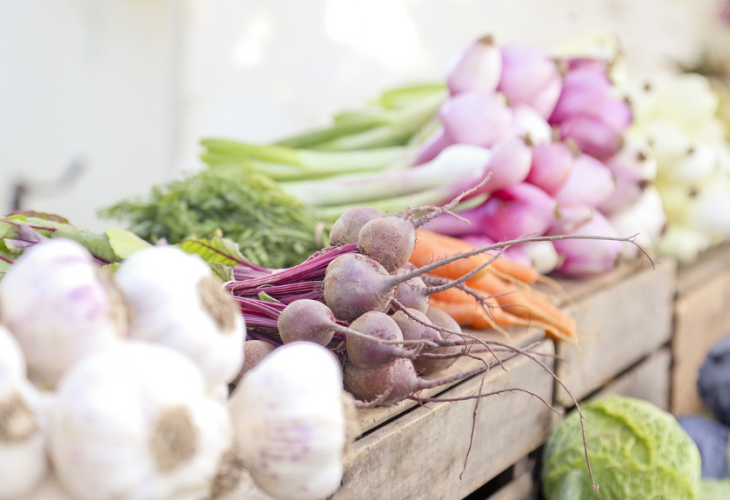
Have you heard of potato peel chips? They are just the beginning of some fascinating insights into the often-overlooked parts of the foods we eat. From potato and sweet potato peels to citrus rinds, many peels contain a surprising concentration of nutrients, sometimes even more than the flesh of the fruit or vegetable itself. Manufacturers are increasingly exploring peels as a source of vitamins, minerals, and antioxidants, and for good reason. While there are countless peels we could discuss, here are some of the most notable examples to get you started.
Cucumbers: Don’t Peel the Benefits Away
Cucumbers are one of the vegetables we most commonly peel. If you have been removing their skin, it may be time to reconsider. The peel of a cucumber is rich in dietary fiber, which helps maintain regular bowel movements, and contains plenty of fluids to aid hydration. It is also packed with antioxidants such as phytochemicals, flavonoids, lignans, and triterpenes. These compounds play a significant role in preventing heart disease, vascular conditions, inflammation, and even certain types of cancer. By keeping the peel on, you maximize the health benefits of this refreshing vegetable.
Potato Peels: More Than Just a Byproduct
Potato peels are another surprisingly nutritious option. While potatoes are often criticized as empty carbohydrates, the peels contain a substantial amount of Vitamin C, Vitamin B6, dietary fiber, zinc, magnesium, and other essential nutrients. They also provide iron, folic acid, and Vitamins A and K, which are vital for proper nutrient absorption in the body. It is important to avoid green potato peels, as they contain solanine, a naturally occurring compound that can be toxic in large amounts. Including the peels in your cooking not only boosts nutritional value but also reduces food waste.
Carrots: Power Packed in the Peel
Carrot peels are also worth paying attention to. Carrots are known as a nutrient powerhouse, rich in antioxidants such as Vitamin A, which supports eye health and the immune system. Eating at least one cup of carrots daily provides a good supply of this essential nutrient. Carrot peels contain additional compounds that have been shown to help prevent and manage Type 2 diabetes, fatty liver, cancer, cardiovascular diseases, and nerve disorders. By including the peels in your meals, you maximize the intake of these protective substances.
Eggplant: Don’t Skip the Skin
Eggplant peels are another nutritional treasure. While many people peel eggplants before cooking, research suggests that leaving the peel on provides powerful health benefits. Eggplant skin contains anthocyanins, potent antioxidants, as well as nasunin, a compound that protects the body from free radicals and may help prevent cancer. Keeping the peel on during cooking enhances both the nutritional value and the vibrant color of your dish.
Red Beet Peels: Nutrient Rich and Healing
Red beet peels are just as beneficial as the beetroot itself. Beet peels contain a wealth of vitamins, minerals, and iron, which contribute to overall health. They are known to support blood purification, help regulate high blood pressure, and assist in managing severe anemia. Including beet peels in your diet allows you to take full advantage of their health-promoting properties.
Tips for Eating Peels Safely
While incorporating vegetable and fruit peels into your diet can be highly beneficial, it is important to wash all produce thoroughly to remove dirt and pesticide residues. Whenever possible, choose organic or locally sourced produce to maximize safety and nutrient content.

