

Health and Nutrition
What a Little Less Salt Can Do for Your Health
Lowering your salt intake can help protect your heart, kidneys, and blood vessels. Here’s what happens when you make the change.
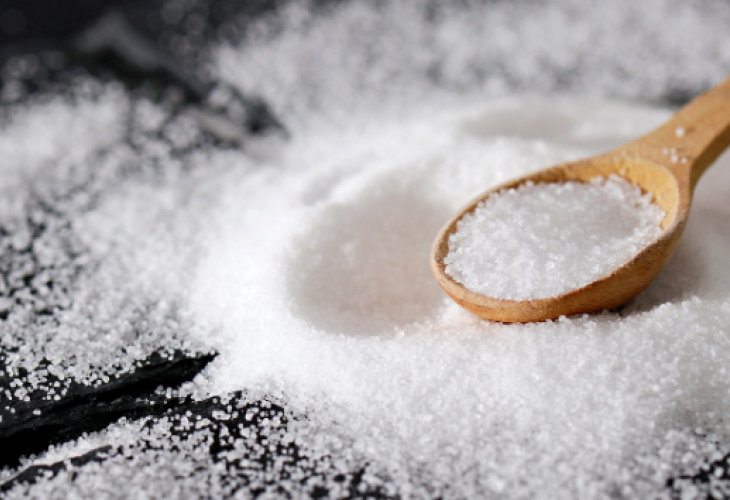
Our craving for salt often begins early in life, shaped by habits we pick up without even realizing it. For many of us, it starts with simple snacks like cucumber or tomato slices sprinkled with salt at school. Over time, these small habits add up.
If we paid closer attention to sodium intake, we would quickly learn that when it comes to salt, less truly is more. Healthy adults are advised to consume no more than one teaspoon of salt per day, which equals about 2,300 milligrams of sodium. Children need even less, around 1,000 milligrams per day.
The problem is not a lack of guidelines, but how easily they are ignored. In our twenties, adding extra salt to a salad may seem harmless. As we get older, however, the cumulative effects of excess sodium become harder to ignore.
Despite official recommendations to reduce sodium intake, most processed and packaged foods make it nearly impossible to stay within healthy limits. As a result, many people consume 4,000 milligrams of sodium a day, and often much more.
So what can you do? Start by limiting foods high in sodium and using less salt when cooking. Even small changes can lead to noticeable benefits, including improved heart health, better blood pressure control, reduced risk of cardiovascular disease, and healthier fluid balance within the body’s cells.
What Happens When You Reduce Salt Intake?
Cutting back to the recommended one teaspoon of salt per day can trigger positive changes within just the first week. Here are a few important effects to keep in mind:
Reduced water retention
High salt intake causes the body to retain water. Lowering sodium can help reduce swelling and bloating caused by excess fluid.Lower blood pressure
For many people, excess sodium contributes to high blood pressure. Reducing salt intake may help bring blood pressure levels down.Improved heart and vascular health
Since high blood pressure is a major risk factor for heart disease and stroke, cutting back on salt can significantly benefit the cardiovascular system.Better kidney function
Too much salt places stress on the kidneys. Reducing sodium intake can help protect kidney health and improve their ability to regulate fluids and electrolytes.
It is important to remember that salt is an essential nutrient and should not be completely eliminated from the diet. The key lies in moderation. By being mindful of sodium intake, you can support long term health and reduce the risk of serious chronic conditions.

