

Hanukkah Recipes
Beyond Dairy: 4 Surprising Plant-Based Sources of Calcium
Think you need dairy for calcium? Think again. Nutritionist Dr. Maya Rozman reveals four plant-based foods that can help you meet your daily calcium needs while supporting bone, muscle, and nerve health.
 Illustration
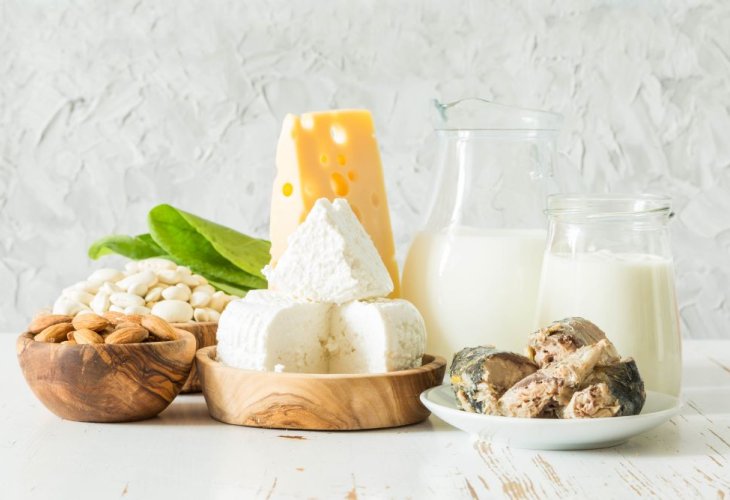
Getting enough calcium is essential for healthy bones, strong muscles, and proper nerve function. But what if you are lactose intolerant or simply do not enjoy dairy? Fortunately, you do not need milk or cheese to meet your daily calcium needs. Nutritionist Dr. Maya Rozman explains how plant-based foods can provide sufficient calcium without overloading your diet with calories.
"Calcium is crucial for the health of our bones, their strength and density at any age, and for the ability of muscles and nerves to function," says Dr. Rozman. "Even vegans can get enough calcium from alternative sources. Popular options like tahini and almonds are great, but they are also calorie dense, so people usually consume them in small amounts. For example, 10 almonds contain only about 30 milligrams of calcium."
Dr. Rozman advises that adults need around 1000 milligrams of calcium daily, ideally without adding too many extra calories. Here are four surprising plant-based sources to help reach that goal:
Celery
Celery is high in dietary fiber, which helps you feel full longer. In 100 grams of celery, there are just 16 calories and 40 milligrams of calcium. A salad with 250 grams of celery provides as much calcium as three tablespoons of cheese.
Broccoli
Broccoli is rich in cancer-fighting antioxidants and other nutrients. It contains 47 milligrams of calcium per 100 grams, so a plate with 300 grams of steamed broccoli delivers nearly the same amount as a slice of yellow cheese. Dr. Rozman notes that boiling broccoli can leach calcium into the water, so steaming, stir-frying, or baking is a better option.
Green Cabbage
Green cabbage is packed with vitamin C, dietary fiber, and anti-cancer compounds. It has 40 milligrams of calcium per 100 grams. A serving of cabbage salad contains as much calcium as a cup of yogurt. Sauerkraut also provides a similar calcium content.
Kale
Kale is a calcium powerhouse, offering 150 milligrams per 100 grams. It is delicious when lightly cooked and can be added to pasta, soups, or other dishes for a nutritious calcium boost.
By incorporating these vegetables into your meals, you can support bone health and meet your calcium needs naturally. Dr. Rozman emphasizes that a balanced diet rich in plant-based calcium sources, along with regular exercise and sunlight for vitamin D, can help maintain strong bones and overall health throughout life.

