

Hanukkah Recipes
Barley: The Ancient Grain of the Bible and One of the Seven Species
Discover the history, health benefits, and surprising culinary uses of barley
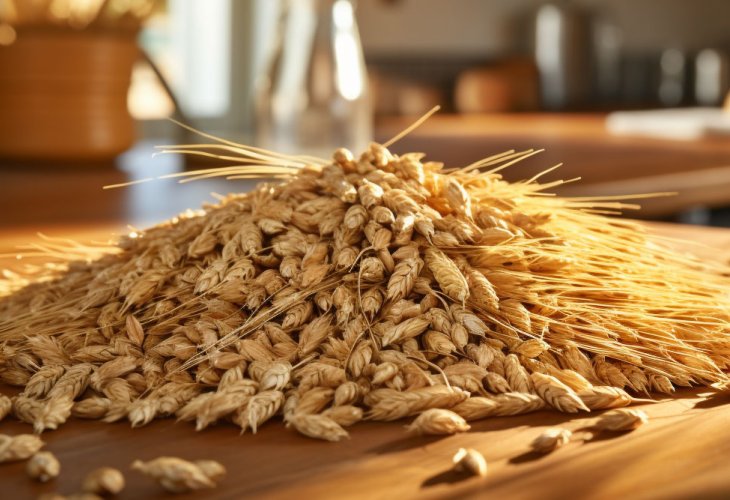
Most of us learned about barley in the Book of Ruth and in connection with the festival of Shavuot — and if I’m guessing correctly, most of us don’t actually know much about this important grain. As one of the Seven Species, barley takes an honored place on the Tu B'Shvat table — usually in the form of dark beer. Beer is made from malt — barley grains that have undergone germination and drying, and it serves as a fitting representation of barley on the holiday table. But what exactly is this barley we speak of? Do we eat barley in our everyday diet, and where was barley first mentioned?
1. Part of a Big Family
Barley belongs to the grass family, which includes several dozen species, and it was among the first plants domesticated by humans. Today, barley is used mainly as animal feed and fodder, and as a key ingredient in alcoholic beverages. The United States is the world’s largest producer of barley, with a harvest of about 50 million tons in 2023.
2. A Long History
Barley is the sixth most important crop worldwide. It is considered an ancient grain that has been cultivated across the globe for thousands of years and serves as a good source of protein, dietary fiber, vitamins, and minerals. Barley contains a high amount of dietary fiber, which helps regulate digestion, lower cholesterol levels, and prevent heart disease. It is also a good source of vitamin B1, which is essential for proper nervous system function.
3. Especially Important in Judaism
Barley holds a significant place in Jewish tradition. It is mentioned in the Book of Devarim as one of the five grains that may be used to make matzah. It is also listed among the Seven Species: “A land of wheat and barley, of vines and fig trees and pomegranates; a land of olive oil and honey” (Devarim 8:8).
In biblical times, barley was used both as human food and animal feed. It appears many times throughout the Bible: in the story of the Plagues of Egypt, the Omer offering, the Sotah offering, the Book of Ruth, and later in descriptions from the days of King David, King Solomon, and the prophets.
4. Healthy for Everyone
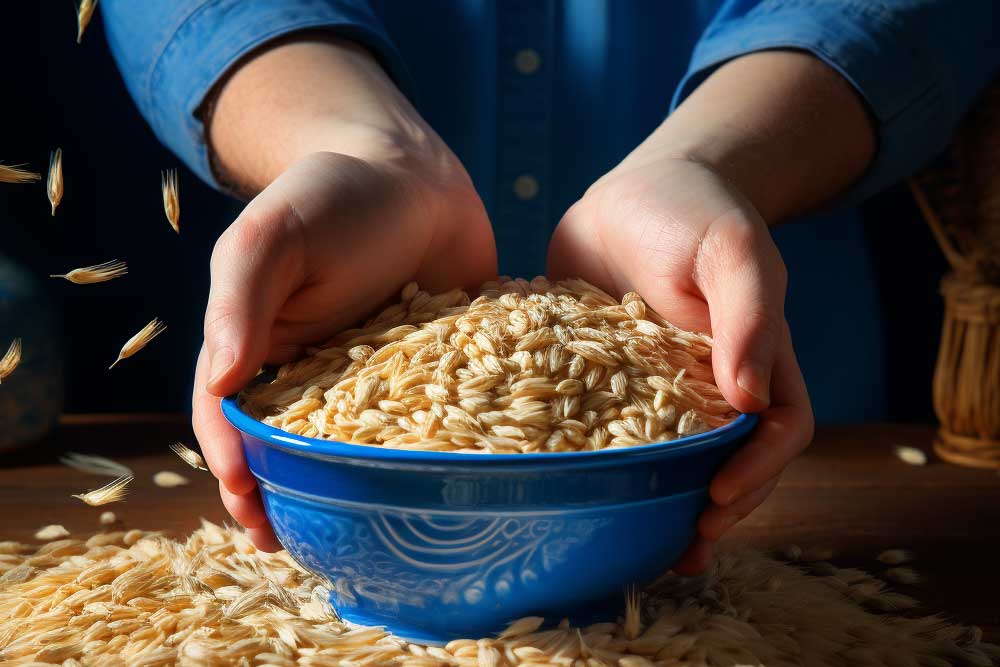
Barley is a highly nutritious grain that contains a wide range of essential nutrients, including dietary fiber, vitamin B1 (so important for the nervous system), selenium, copper, phosphorus, and a large amount of antioxidants. The dietary fiber in barley plays a crucial role: it supports weight loss, maintains digestive health, and even helps balance blood pressure and cholesterol levels.
5. Surprising and Delicious
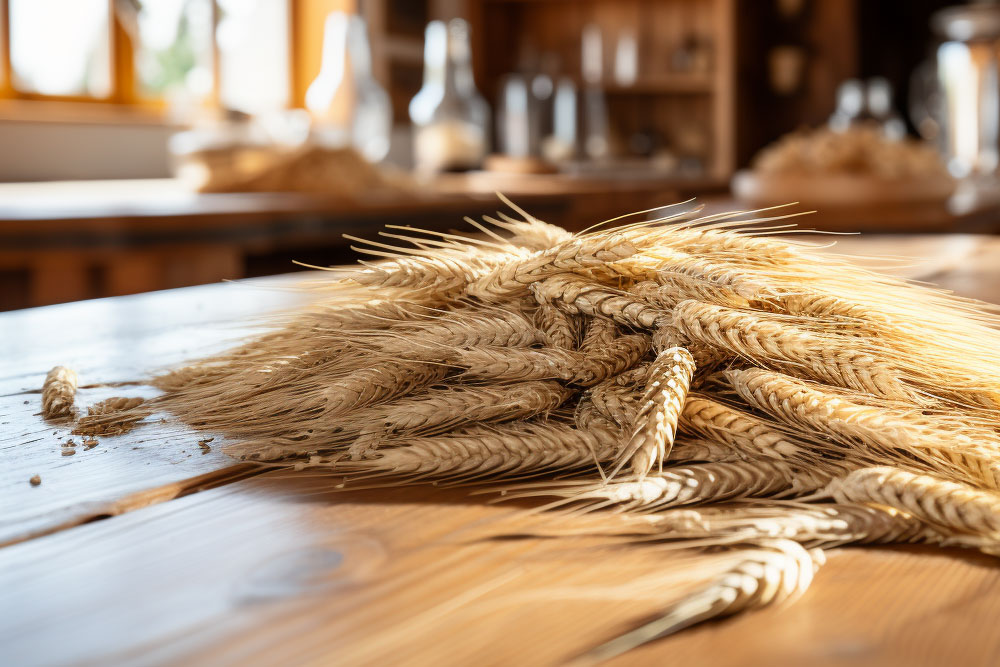
The most common way to eat barley is in the form of pearled barley, which most of us are familiar with. The difference between regular barley groats and pearled barley lies mainly in the degree of processing. The more “basic” barley groats are actually the healthier option, because they retain all parts of the grain — the hull, the bran, and the kernel, with only a very coarse outer layer removed. As a result, they contain more essential and beneficial nutrients.
Barley can be cooked in cholent on Shabbat as a warm, comforting one-pot dish, or you can vary things by adding cooked barley to a salad of leafy greens and fresh vegetables, turning it into a complete and satisfying meal.

