

Health and Nutrition
The Vine in the Bible: 5 Fascinating Facts About Grapes, Wine, and Spiritual Abundance
From the Seven Species to Kiddush on Shabbat, discover why the vine became a timeless Jewish symbol of joy, fertility, blessing, and redemption
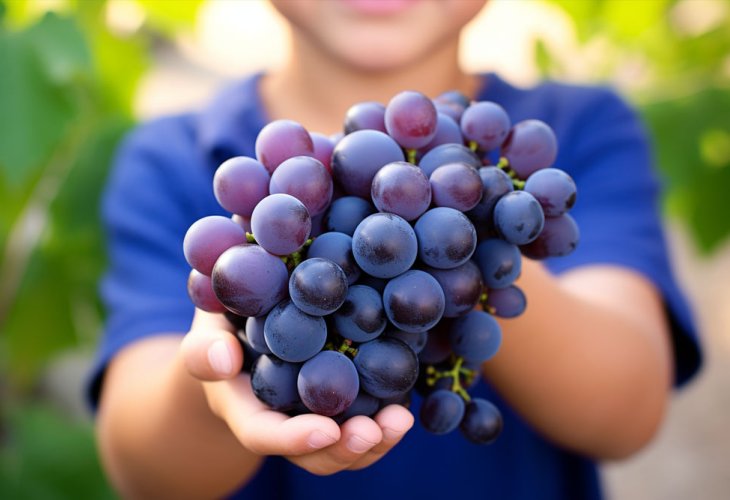
The vine appears many times throughout the Bible, almost always with a joyful meaning that symbolizes fertility and abundance. What is it about the vine that made it such a powerful symbol of prosperity and growth? We set out to explore — and came back with five fascinating facts.
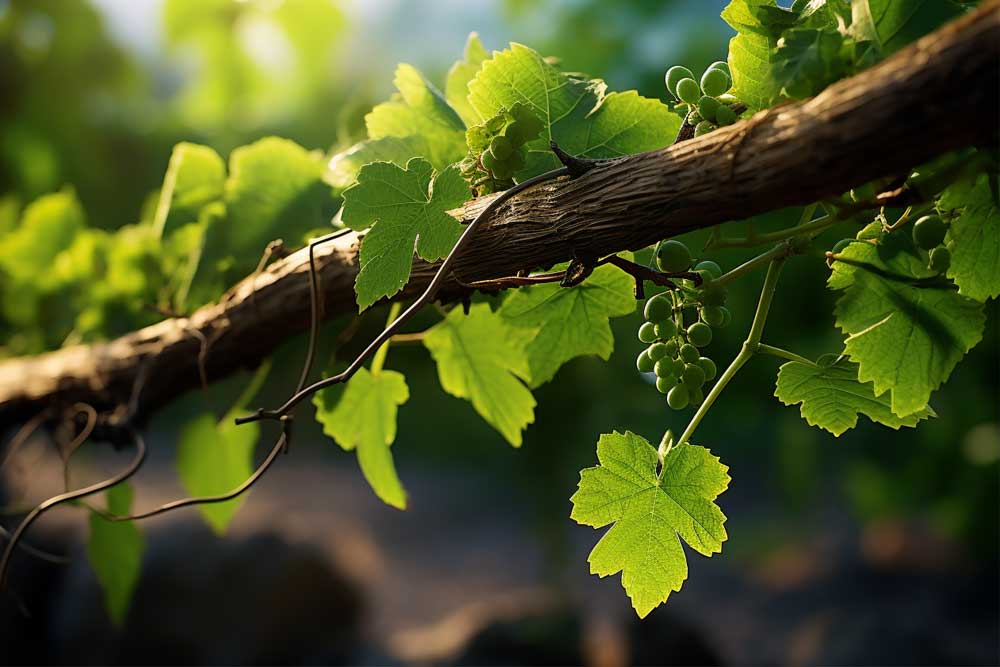
1. Nice to Meet You
The vine is a climbing plant from the grapevine family. Its fruit is the grape, which is eaten fresh, dried, and also used to make wine. The vine blossoms at the beginning of spring. Its flowers are tiny, clustered together, and pollinated by the wind. A vine begins to bear fruit in its third or fourth year after planting. Grape harvesting is called the vintage, and it lasts almost the entire summer. A vineyard is called a kerem.
The vine is a perennial plant that can live for hundreds of years. It grows in a variety of soil types but prefers well-drained soil and a warm climate. As a climbing plant, its roots anchor firmly into the ground and provide strong support. The vine flowers in spring, bears fruit in autumn, and can grow up to 30 meters (about 100 feet) high.
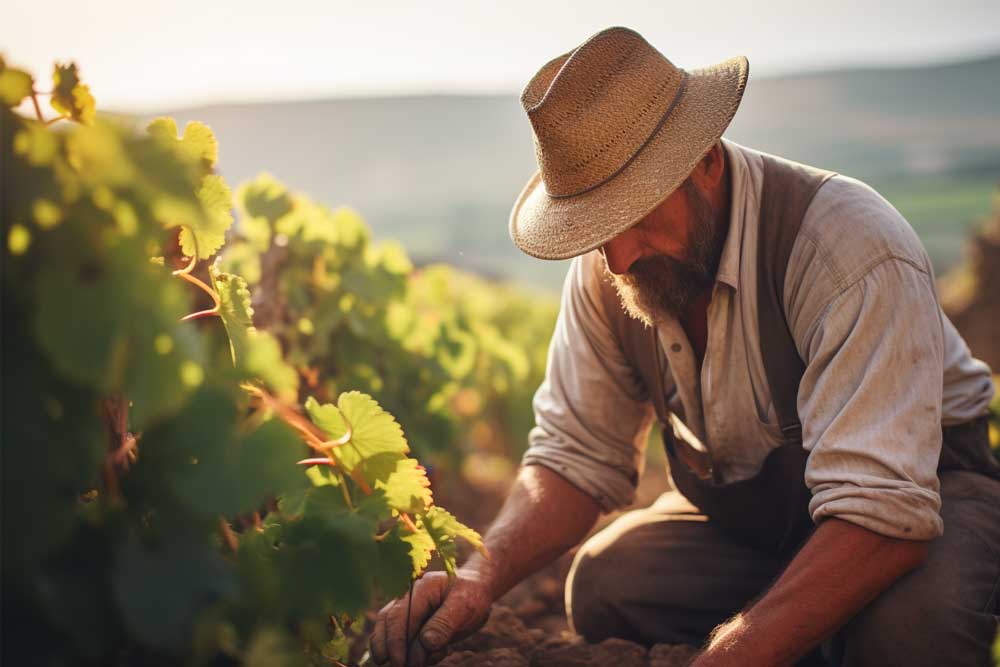
2. A Bit of History
In biblical times, the vine and its products — alongside wheat and barley, were among the most important economic branches of the land. The vine is one of the Seven Species for which the Land of Israel is praised, and it is mentioned hundreds of times in the Bible in its many forms: vineyard, grapes, wine, grape juice, strong drink, fermented wine, raisins, and vinegar.
Our Sages also mention the vine thousands of times in both halachic and aggadic literature. King David, for example, compares the woman of valor to a vine in Tehillim: “Your wife shall be like a fruitful vine within your house; your children like olive saplings around your table.”
In Song of Songs, the vine is mentioned both as a metaphor for the People of Israel and as a sign and promise of redemption: “Let us go early to the vineyards; let us see whether the vine has blossomed, whether the buds have opened, whether the pomegranates are in bloom.”

3. Bearing Fruit
The fruit of the vine is the grape. Grapes come in various colors including red, green, and black. They contain sugar, acids, and minerals, and are a good source of vitamins C and K, as well as iron, magnesium, calcium, and potassium. Grapes also contain antioxidants, which help protect the body from damage caused by free radicals.
Since biblical times, grapes were used to produce a wide range of products: wine, grape juice, jam, preserves, and more. Due to their high vitamin and antioxidant content, grapes are also used today in cosmetic products such as moisturizing creams and soaps.
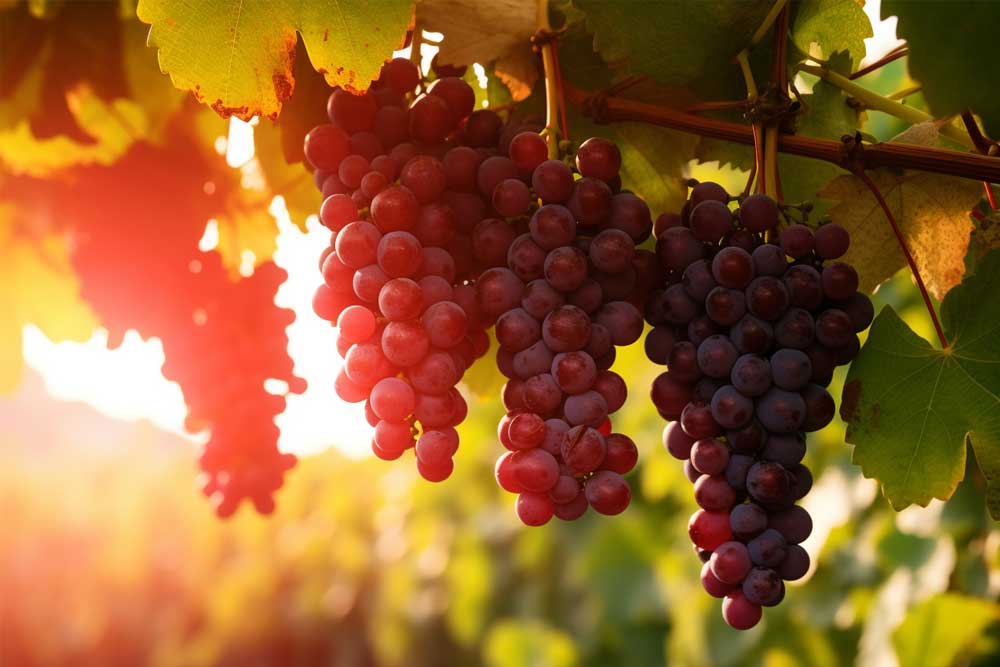
4. Gladdening the Human Heart
Vine products are many, but without a doubt the most important of them is wine, about which it is said: “Wine sustains and gladdens” — it nourishes, satisfies, and brings joy (Berachot 35b).
Since there are thousands of grape varieties, each with its own unique flavor, wines are produced in many tastes and quality levels. In addition to wine, there is tirosh — grape juice that has not fermented into wine. The blessing for both is “Blessed are You… Creator of the fruit of the vine.”
Many laws and commandments in the Torah are connected to the vine: the laws of mixed planting in vineyards, the laws and prohibitions of the Nazirite, the laws of the rebellious son, tithes and offerings, the laws of libation wine, and more.
5. “And You Sanctified Us”
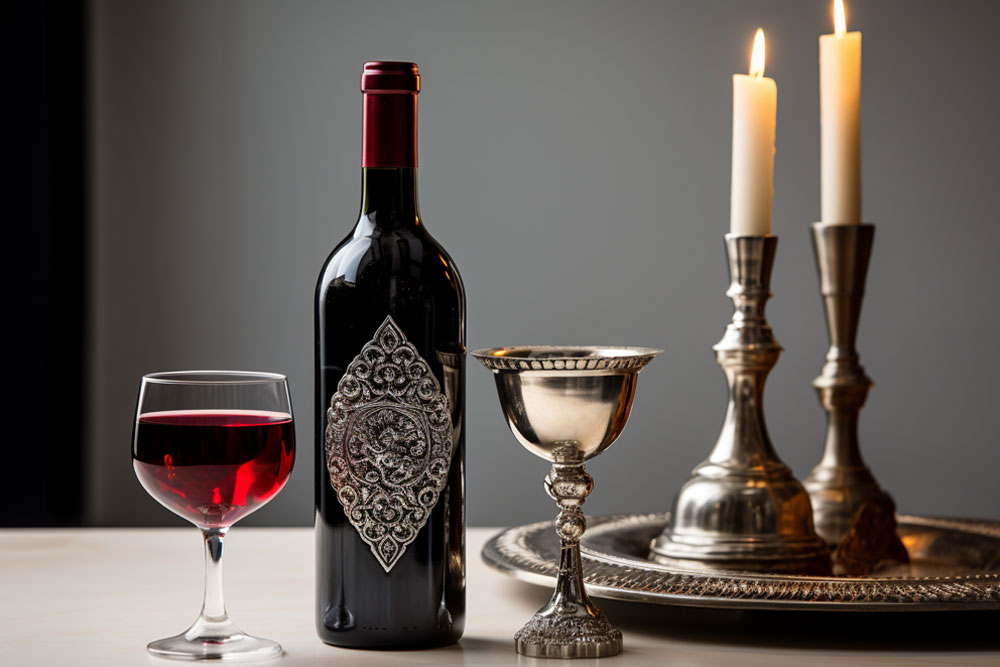
Wine produced from the fruit of the vine holds immense importance in Judaism, especially in connection with Shabbat and significant mitzvah events. The commandment to observe Shabbat appears in the Ten Commandments: “Remember the Sabbath day to sanctify it.” Our Sages explained: “Remember it over wine at its entrance” — on Friday night.
Indeed, on Friday night we recite Kiddush over wine, declaring the sanctity of the day through speech and testifying to the creation of the world with the words: “And God blessed the seventh day and sanctified it, for on it He rested from all His work that God created to do.”
Wine (and grape juice) is used for Kiddush and Havdalah, and its blessing is “Creator of the fruit of the vine.” In fact, for every important event of spiritual significance, our Sages instituted a blessing over a cup of wine — so that spiritual joy would be accompanied by physical joy.

