

Health and Nutrition
Why Figs Deserve a Comeback: The Surprising Health Benefits of This Delicious Fruit
From digestive health and heart protection to glowing skin and rich flavor, discover why figs are a nutritional powerhouse

I’ll reveal a secret: I never liked figs. Until a few years ago, the only version I knew was the dried version — the sticky, not-so-inviting packs that don’t feel very accessible. Not long ago I met a friend who told me that figs are her favorite fruit, and all I could think in that moment was how strange that sounded. Between us — who picks a fig as their top fruit? Did the world run out of apples?!
Well, a quick bit of research and browsing online showed me that there are quite a few fig lovers out there — fig addicts, even, along with chefs who make tiny gourmet dishes from figs at a definitely outrageous price.
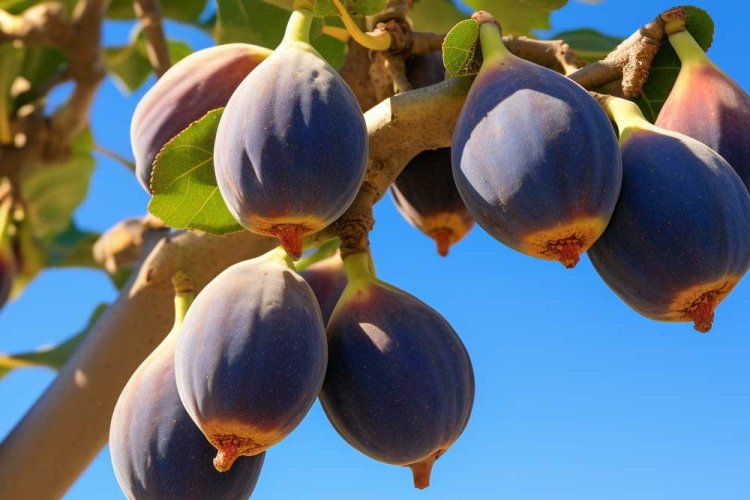
You can eat figs fresh — just make sure to check them very carefully before eating. Some people don’t eat the fruit at all because it can be heavily infested. You can also eat them dried, after a thorough inspection.
Either way, figs are not a fruit you should ignore, and there are good reasons why:
A “Superfood” With Special Qualities
Figs have a high nutritional value. They’re a good source of vitamins, minerals, and dietary fiber. Figs contain high amounts of vitamin K, vitamin C, magnesium, potassium, and folic acid. They also have a nice amount of dietary fiber, which supports healthy digestion, helps prevent intestinal problems, and improves overall bowel function.

Good for the Heart and Bones
Figs contain a high amount of potassium — about 680 mg per 100 grams, which helps maintain healthy blood pressure. They also contain a relatively low amount of sodium, which can raise blood pressure. Surprisingly, figs also contain about 162 mg of calcium, which is around 16% of the recommended daily intake for an adult. Calcium is essential for building strong bones and maintaining healthy teeth, and not getting enough of it can lead to illness and physical problems.
Helps Cholesterol and May Fight Cancer
In addition to vitamins and minerals, figs contain phytochemicals, which can help reduce levels of “bad” LDL cholesterol in the blood. Phytochemicals are natural compounds found in fruits, vegetables, and whole grains, and they’re considered to have anti-cancer properties.
Great for Skin
Figs contain a good amount of vitamin C, which is essential for skin health, supports renewal, and helps protect the skin from environmental damage. In addition, figs contribute to cleansing and renewing the blood circulation, which can noticeably improve the skin’s appearance. Because of the fruit’s antibacterial properties, people already in ancient times used figs to create facial skincare products. Even today, many cosmetics include this juicy fruit.
Especially Delicious
Fig lovers describe a rich, sweet, and unique taste. According to them, it’s worth investing the effort to carefully inspect the fruit — fresh or dried, so you can enjoy the fig’s exceptional flavor as early as this coming Tu B'Shvat.

