

Health and Nutrition
Are Dried Fruits Really Healthy? What You Need to Know
Not all dried fruits are created equal. Discover the differences between natural and processed options, learn which additives to avoid, and find out how organic, unsweetened dried fruits can be a tasty and healthy addition to your diet.
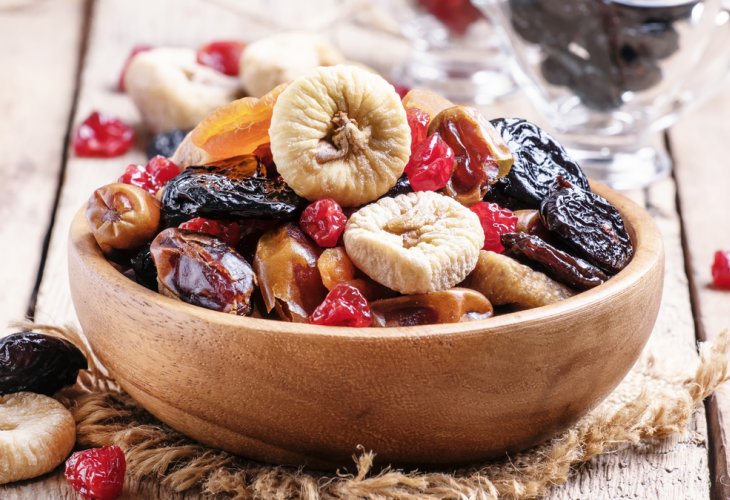 (Photo: shutterstock)
Many people assume that dried fruits are inherently healthy. However, the reality is more complex.
Types of Dried Fruits
Dried fruits can be categorized in several ways:
Fruits that dry naturally on the tree, such as dates. This is a natural and beneficial process.
Fruits dried in the sun, which are relatively rare.
Fruits naturally dehydrated in ovens without harmful additives.
The majority of dried fruits are processed industrially at high temperatures with added substances, some of which can be harmful.
Watch Out for Additives
Processed dried fruits often contain synthetic food colorings to enhance appearance, sulfur dioxide as a preservative that can impair breathing and cause headaches, and paraffin oil or glazing agents to make the fruit shiny and appealing. If a dried fruit looks unnaturally bright or glossy, it has likely been treated with additives that may be unhealthy.
People with celiac disease or gluten sensitivity should also be cautious, as some dried fruits are dusted with flour after drying, which is not always disclosed. This is especially important during Passover.
Fruits such as papaya, pineapple, and kiwi often have added sugar during processing. Some, like dried bananas, are even fried.
Healthy Choices
Organic dried fruits without added sugar are a much healthier alternative to processed, sugar-sweetened, or salty snacks. They provide quick energy and are ideal for moderate consumption before physical activity or during periods of concentration. Combining dried fruits with nuts or almonds makes for a nutritious snack between meals.
Benefits of Fiber
Dried fruits are rich in dietary fiber, which supports healthy bowel function and promotes waste elimination. Fiber also slows digestion, helping you feel fuller for longer and aiding in maintaining a healthy weight.
Additionally, fiber nourishes beneficial gut bacteria, which can help prevent inflammation and disease. These benefits apply only when the fruits are unsweetened.
Nutritional Value
Organic dried fruits are high in minerals, antioxidants, and dietary fiber. While they may be more expensive, investing in quality dried fruits allows you to enjoy their full health benefits.
Closing Thoughts
In conclusion, not all dried fruits are created equal. Choosing organic, unsweetened varieties allows you to enjoy the natural sweetness, fiber, and nutrients they offer without the harmful additives found in many processed options. By making mindful choices, dried fruits can be a convenient, tasty, and healthy addition to your diet.
Zohara Sharvit is a naturopath, N.D., and an iridology diagnostic practitioner with extensive experience in treatment, counseling, and leading workshops.

