

Hanukkah Recipes
Struggling with Sleep Lately? Here's How to Stay Alert
Since the conflict began, many have faced stress and anxiety, impacting their sleep quality. Here are some tips to help you get some rest.
- Yitzhak Eitan
- | Updated
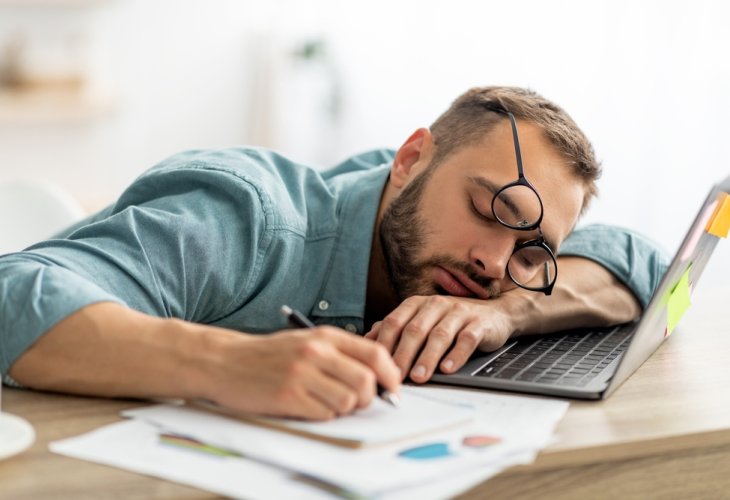
Ever since the War of Iron Swords, many people have reported getting less sleep. In border areas, this is largely due to security tensions, but even in other regions, people struggle to fall asleep, experiencing emotions that range from tension and sadness to hope and despair, and from a return to routine to complete uncertainty. Naturally, this affects both our ability to fall asleep at night and the quality of the sleep we get. Sleep deprivation clearly impacts alertness and daily functioning.
According to Dr. Tili Fischer Yosef, a family medicine specialist at Maccabi Healthcare Services, there are ways to maintain sharpness and vitality even when nighttime sleep is insufficient.
Firstly, she advises limiting exposure to the news. "Excessive news consumption increases anxiety and hampers day-to-day functioning, especially when we're tired. It's recommended to check the news only once or twice a day, or just read headlines. The more we are exposed, the higher our anxiety rises. While alertness may spike temporarily, ultimately we become exhausted and less aware," she explained on Mako's website.
She also highlights lack of physical activity as a stress factor: "Exercise, especially in the morning, boosts alertness. Hormones released during physical activity improve mood and calmness, enhancing focus and sharpness throughout the day. Studies show that physical activity before cognitive tasks, like exams, improves performance."
Drinking coffee is another effective strategy: "Caffeine is a stimulant that can boost alertness, but it should be consumed in moderation—up to three cups per day for pregnant or nursing women, and up to four cups for the general population. The last cup should be before 4 PM, as caffeine takes about six hours to leave the body. It's best to reach bedtime without stimulants in your system."
Dr. Fischer Yosef also recommends avoiding empty carbohydrates: "Meals high in simple carbs can make us feel drowsy and heavy. Simple carbohydrates are quickly digested, causing a temporary spike in blood glucose and a surge of insulin. This rapid glucose uptake leads to a 'sugar crash,' causing fatigue and exhaustion. Instead, opt for complex carbs combined with proteins and healthy fats, which slow digestion and maintain stable energy levels without crashes."
Finally, she suggests increasing your heart rate: "A few jumps in place or squats can raise your pulse, circulate blood through the body, and wake up your systems. Once your pulse rises, your body shifts into alert mode, supplying more oxygen to the cells and immediately boosting alertness. Feeling tired in front of the computer? A few squats with jumps—and you're refreshed again."

