

Health and Nutrition
The Truth About Cholesterol: Why Your Body Needs It
Cholesterol isn’t always the enemy. Discover its vital role in the body and why maintaining a healthy balance is key.
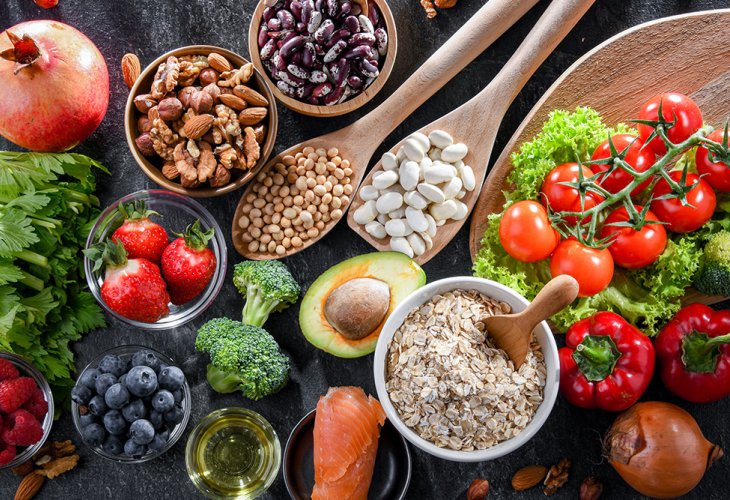 (Photo: shutterstock)
Cholesterol often gets a bad rap, but it's not always deserved. In our efforts to reduce cholesterol, we sometimes forget that it is an essential component of every cell in our bodies. In fact, life without cholesterol would not be possible.
Cholesterol is an organic compound that plays a vital role in building cell membranes, producing hormones and vitamins, forming bile acids, and supporting steroid synthesis. To circulate through the bloodstream, cholesterol is transported by lipoproteins.
Understanding LDL and HDL
LDL, often called "bad" cholesterol, carries cholesterol from the liver to cells that need it. Excess LDL can deposit on artery walls, increasing the risk of cardiovascular disease.
HDL, known as "good" cholesterol, collects excess cholesterol from cells and returns it to the liver for breakdown or reprocessing. Higher HDL levels help remove LDL from the bloodstream, protecting heart health.
Natural Ways to Balance Cholesterol
A healthy diet can help lower LDL and increase HDL, sometimes reducing the need for medication:
- Include Soluble Fiber: Foods like oatmeal, brown rice, chickpeas, lentils, and mung beans help reduce LDL and support overall heart health. Aim to include soluble fiber in every meal, such as oatmeal porridge with fruit.
Eat More Fruits and Vegetables: Aim for at least five types of fresh or cooked vegetables daily. Colorful fruits and vegetables are rich in antioxidants, which prevent cholesterol oxidation.
Use Olive Oil: Olive oil can increase HDL levels. Add it to salads, roasted vegetables, and sauces for a heart-healthy boost.
Incorporate Garlic and Onions: These flavorful additions help lower LDL cholesterol while supporting HDL levels.
Add Nuts: Walnuts, in particular, can reduce cholesterol and triglycerides. A handful per day is enough to make a difference.
Choose Green Tea Over Caffeine: Excessive caffeine can negatively affect cholesterol levels. Green tea is rich in polyphenols, antioxidants that help lower LDL and raise HDL.
Foods to Limit or Avoid
Saturated and trans fats, white sugar, pastries, and alcohol encourage the liver to produce more cholesterol and should be limited for optimal heart health.
By focusing on these dietary and lifestyle changes, you can support healthy cholesterol levels naturally, protecting your heart and overall wellbeing.

