

Health and Nutrition
The Magic of Superfoods: A Guide to Energizing Your Week
Discover the seven superfoods that can potentially extend your life, and a health tip for those with chronic conditions.
- Shira Dabush (Cohen)
- | Updated
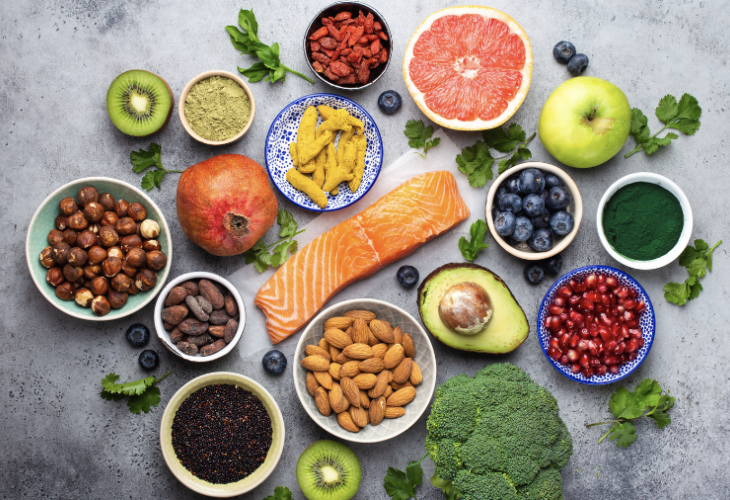
In recent years, there has been a growing trend toward balanced diets that include all essential nutrients or are rich in fiber and protein. While some foods provide certain vitamins, they may lack other crucial nutrients our bodies need. This is where “superfoods,” as recognized by science, come into play.
Understanding Superfoods
According to Indian nutritionist Dr. Bhatt, superfoods are those with very high nutritional density. “This means they provide a significant amount of nutrients with relatively few calories. They are packed with minerals, vitamins, and antioxidants, which are exactly what our bodies need. Antioxidants—natural molecules found in certain foods—help neutralize free radicals in our bodies,” he explains.
Dr. Bhatt recommends incorporating superfoods into your weekly diet, not only to potentially increase lifespan but also to minimize the risk of diseases as we age. “These seven foods are considered superfoods, and it’s important to consume them every week. You can eat them all together or just one from the list, but make sure that a week doesn’t go by without having at least one,” he advises.
First Superfood: Blueberries
Although they can be expensive, these delicious purple fruits are worth the investment. They are rich in fiber, vitamins, and antioxidants, and can help lower blood pressure and reduce the risk of heart disease.
Second Superfood: Goji Berries
These red berries are an excellent source of vitamins C and E. They are also high in flavonoids, which contribute to the health of the liver, eyes, and kidneys.
Third Superfood: Leafy Greens
Spinach, parsley, broccoli, kale, lettuce, chard, cilantro, dill, mint—the list goes on. If you want to maintain healthy levels of iron, magnesium, potassium, and calcium, make sure to consume leafy greens weekly.
Fourth Superfood: Salmon
Salmon is extremely rich in omega-3 fatty acids, which can help lower bad cholesterol levels and reduce the risk of abnormal heart rhythms.
Fifth Superfood: Nuts
Walnuts, almonds, pecans, and nearly all nuts are excellent sources of plant-based protein. They also contain monounsaturated fats, which may help reduce the risk of heart disease.
Sixth Superfood: Cruciferous Vegetables
Broccoli, cabbage, cauliflower, turnips, and more—members of the cruciferous family are considered superfoods because they are rich in fiber and contain phytochemicals such as indoles, which contribute to overall health.
Seventh Superfood: Seeds
Sunflower seeds, pumpkin seeds, chia seeds, flaxseeds, and more—regular consumption of seeds is associated with lower rates of cardiovascular disease, high blood pressure, and high cholesterol.
Who Should Be Cautious with Superfoods on a Daily Basis?
Dr. Bhatt advises caution, especially for individuals with chronic conditions. “People with kidney disease should consume leafy vegetables carefully, as they may raise potassium to dangerous levels, potentially leading to cardiac arrest. Those with liver disease should avoid animal proteins entirely, as they can trigger hepatic encephalopathy—a loss of brain function that occurs when a damaged liver fails to remove toxins from the blood. If you have kidney stones, avoid foods high in oxalate, such as nuts, since they may contribute to stone formation in the kidneys,” he warns.

