

Soup Recipes
The Benefits of Nut Milk and How to Make It at Home
Explore the benefits of nut milk and learn how to make it at home. From almonds to walnuts, enjoy a creamy, dairy-free drink rich in vitamins, antioxidants, and healthy fats.
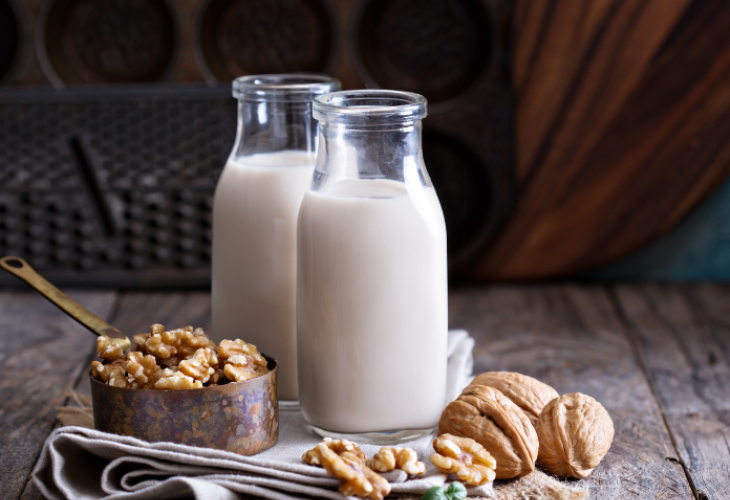
If you’re looking for a healthier and tastier alternative to cow’s milk, nut milk might be exactly what you need. While it may not always be available in every grocery store, making nut milk at home is simple, fun, and allows you to control the ingredients.
Almond milk gained popularity around 2010 after studies highlighted its impressive health benefits, but it is just the beginning. Nut milk can be made from a variety of nuts, including walnuts, hazelnuts, pecans, and macadamias. Each type brings its own unique nutrients, flavor, and health benefits. For example, walnut milk is packed with fiber, vitamins, minerals, antioxidants, and healthy fats, making it a nutrient-rich alternative to traditional dairy.
Why Switch to Nut Milk?
Nut milk is more than a dairy substitute. Here are some of the key reasons to consider adding it to your diet:
High in Antioxidants
Nut milk is naturally rich in antioxidants such as vitamin E. These compounds are anti-inflammatory and help protect your body against free radicals, reducing the risk of chronic diseases and supporting overall health.
Packed with Omega-3 Fatty Acids
Omega-3 fatty acids, found in certain nuts like walnuts, are essential for brain and eye health. Regular consumption can reduce the risk of high blood pressure, heart disease, irregular heartbeat, and blood clots, supporting long-term cardiovascular wellbeing.
Diabetic-Friendly
Nut milk is low in carbohydrates, making it an excellent choice for people with diabetes or those looking to manage blood sugar levels. Research published in the Journal of Nutrition found that regular walnut consumption can reduce the risk of type 2 diabetes, particularly in women.
How to Make Nut Milk at Home
Making nut milk at home is surprisingly easy. Here’s a simple method using walnuts, though you can adapt it to almost any nut:
Step 1: Soak the Nuts
Start by soaking a heaping cup of walnuts in four cups of water for eight hours or overnight. This softens the nuts and makes them easier to blend.
Step 2: Blend
Drain the soaked walnuts and place them in a food processor with another four cups of fresh water. Blend thoroughly until smooth and creamy.
Step 3: Strain
Pour the mixture through a cheesecloth or a clean, white cloth reserved specifically for nut milk. Squeeze out as much liquid as possible to create a smooth, creamy milk.
Step 4: Store and Enjoy
Transfer the freshly made milk to a sealed container and refrigerate. For maximum freshness and nutrient content, drink it within five days. Nut milk can provide a gentle energy boost and a sense of calm throughout the day.
Tips and Variations
You can make nut milk from virtually any nut, including hazelnuts, pecans, macadamias, and almonds. Add a pinch of salt, a splash of vanilla, or a natural sweetener like honey or maple syrup to enhance flavor. Use homemade nut milk in coffee, smoothies, cereal, or baking recipes for a creamy, nutritious alternative to dairy.
Nut milk is a versatile, delicious, and health-promoting choice that can easily become part of your daily routine. By experimenting with different nuts, you can discover flavors and nutrients that best suit your taste and health goals.

