

Health and Nutrition
Broccoli's Hidden Power: A Natural Ally Against Stroke
A team of researchers from Australia has discovered a natural compound in broccoli and other cruciferous vegetables that holds promise for stroke prevention.
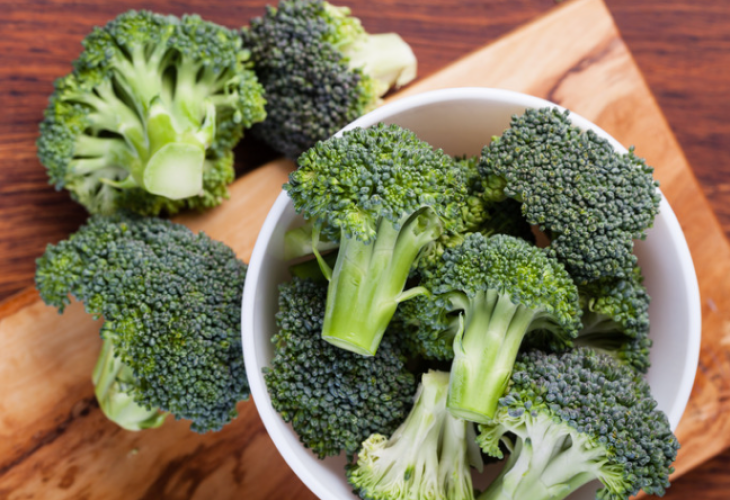
Every year, around 15 million people worldwide suffer a stroke, a serious cardiovascular event that occurs when blood and oxygen cannot reach the brain. Stroke can lead to lasting impairments, and, until now, only about 10 percent of survivors fully recover. The rest are often left with disabilities affecting their daily lives.
Traditional treatments for stroke typically involve medications such as aspirin to prevent blood clots or reduce bleeding in the brain. While these treatments can be lifesaving, recovery remains limited for many patients.
However, researchers from the Heart Research Institute in New South Wales, Australia, may have discovered a natural ally in stroke prevention and treatment: a chemical found in broccoli and other cruciferous vegetables.
The study, recently published in the American Chemical Society's ACS Central Science, highlights the potential of broccoli derived compounds to support cardiovascular health.
"Stroke imposes a significant economic burden on healthcare systems, costing the U.S. approximately 34 billion dollars annually," explains Dr. Johnny Liu, a lead researcher in the cardiovascular signaling unit at the Heart Research Institute.
In an interview with Medical News Today, Dr. Liu shared that the compound developed from broccoli provides the body with isothiocyanates, substances known for their chemopreventive and neuroprotective properties. "We wondered if these natural compounds could also aid in stroke treatment, and our findings show that they offer safe and effective blood thinning benefits," he says.
Dr. Liu also references previous research from 2018, which found that controlled consumption of cruciferous vegetables may help prevent atherosclerosis, clogged arteries that are a major risk factor for cardiovascular disease. "This study reinforced the idea that compounds in vegetables like broccoli could be a natural, preventative approach to heart and brain health," he concludes.

