

Health and Nutrition
Is Daylight Saving Time Making Us Gain Weight?
Dr. Maya Roseman shares insights on how shifting the clock forward might impact your waistline.
- Yitzhak Eitan
- | Updated
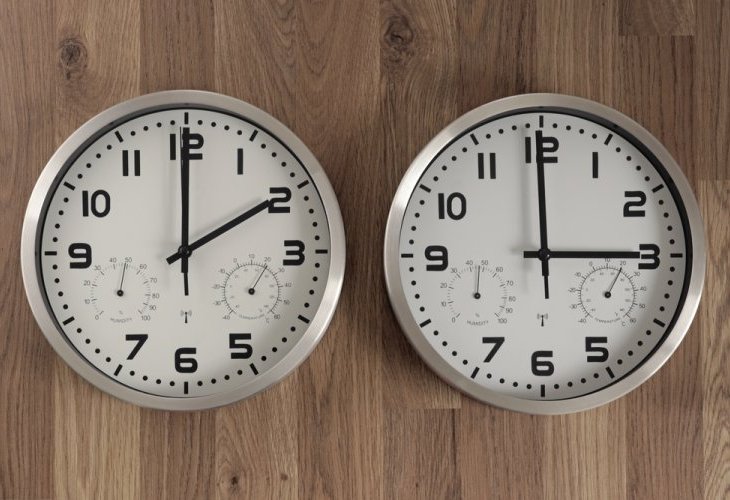
Last Thursday, we moved the clocks forward for daylight saving time. Along with the extra daylight, we lost an hour of sleep. On her 103FM radio show, Dr. Maya Roseman discussed whether changing the clock can affect weight gain—and her answer surprised many listeners.
"What's better for weight management – standard time or daylight saving time? Here are some points to consider: Fatigue can contribute to weight gain. When we switch to daylight saving time, losing an hour of sleep can leave some of us feeling tired. This fatigue can increase cravings for sweets, often without our conscious awareness, because sugar provides quick energy and a temporary wake-up boost," she explained.
Roseman added, "Interestingly, during standard time, when it gets darker earlier, serotonin levels are typically lower, which can lead to increased eating. On the other hand, with more daylight, people tend to go out more, enjoying ice cream or dining at restaurants."
"Our habits don’t always follow the clock. If I feel hungry at a certain hour in the evening or morning, should I wait for the 'right' time or listen to my body? This slight confusion can lead to higher calorie intake until our bodies adjust. So, which is preferable for weight management, standard time or daylight saving time? Theories suggest daylight saving time is better. Long hours of darkness result in lower serotonin levels. A drop in serotonin can negatively affect mood, which might subconsciously increase cravings for carbohydrates, believed by many to improve mood."
Dr. Roseman concluded, "In the winter, we naturally feel less inclined to go out, leading to more time at home with snacks readily available, ultimately increasing calorie consumption." She also highlighted another winter factor: "Cold weather can enhance hunger because one way the body warms itself is through eating. Subconsciously, we tend to feel hungrier when it’s cold compared to hot, sweltering weather, which can suppress appetite."

