

Cake Recipes
The Secret to Perfect Ice Cubes: Why You Should Boil Your Water
Discover why boiling water before making ice cubes matters, whether double boiling is dangerous, and how to check your local water quality.
- Shira Dabush (Cohen)
- | Updated
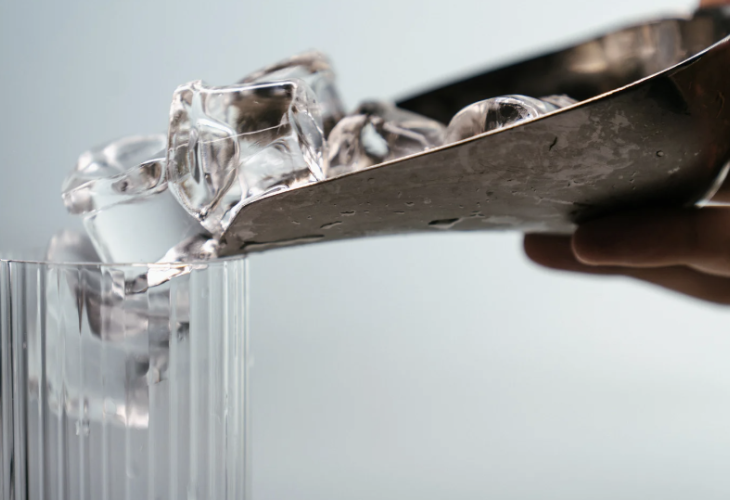
When it comes to making ice cubes at home, many of us simply fill the ice tray with tap water without a second thought.
But how often do we stop to consider that tap water can sometimes contain metals and chemical contaminants such as arsenic, copper, and lead, as well as microbial contaminants that can cause viruses? While it’s true that in Israel tap water undergoes safety checks every ten years, and a committee appointed by the Director-General of the Ministry of Health works to raise water quality to international standards, the possibility of contaminants still exists as long as the water remains unfiltered.
Some people claim that boiling water twice is hazardous to our health. Is there any truth to this?
According to Dr. Eitan Oxenberg from the Davidson Institute, “The general answer is no. The only chemical process that occurs when you boil water is evaporation—the transition of water molecules from liquid to gas. The water does not chemically change, and as long as appropriate utensils are used, there is no reason for additional elements or compounds to appear that were not already present. That said, the claim that reboiling water leads to the accumulation of harmful substances is not entirely false. The steam that rises during boiling consists of water molecules leaving the pot, while most other substances, including salts, metals, and other compounds, typically remain in the same quantity in the boiling vessel.”
So, should you boil water before making ice cubes at home? Absolutely—but only once. Boiling the water once helps eliminate many contaminants (which is also why water is boiled when preparing infant formula).
Additionally, it’s wise to check your local water quality reports. If, for example, the maximum permitted arsenic concentration is 10 micrograms per liter, this means that exceeding that amount would surpass the allowable safety limit. By reviewing water quality reports, you can better prepare for situations in which your local water may be too contaminated, in which case the recommendation would be to use filtered water instead of tap water.

