

Side Dish Recipes
Dr. Maya Rozman: How to Make Pizza Healthier and Less Fattening
As Shavuot approaches, many are considering incorporating dairy products into their menus. But there's a way to make this beloved dish much healthier. Here are some important tips.
- Yitzhak Eitan
- | Updated
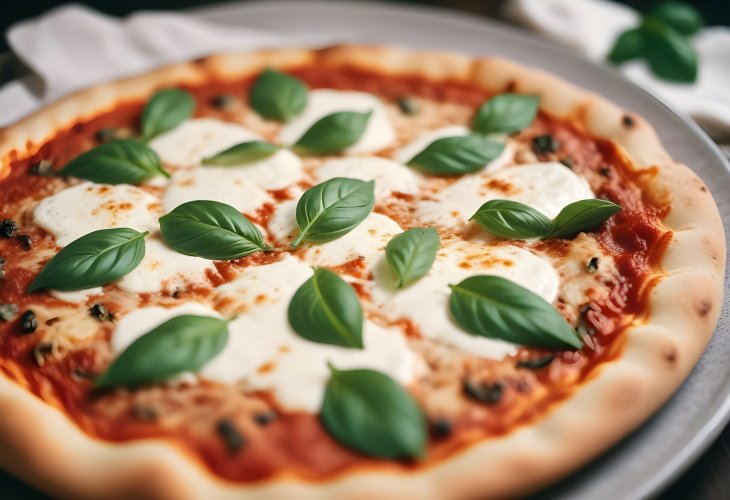
With Shavuot around the corner, many of us are planning to enjoy dairy dishes. Whenever there’s a debate about including pizza on the menu, numerous questions arise: Is it worth it? Could pizza be harmful, and is a healthy vegetable quiche a better option?
According to Dr. Maya Rozman, there is a way to upgrade your pizza and make it healthier—while also saving on calories. “Pizza isn’t just delicious dough with tomato sauce and mozzarella. The variety of toppings, types of dough, fillings, and even presentation styles turns it into almost a gourmet dish,” she writes in her column in Maariv. “Still, many view it as a ‘health sin,’ including parents who feel the need to limit their children’s pizza consumption.”
So how can you boost your pizza’s health factor? Dr. Rozman explains that the first step is choosing whole wheat flour. In general, thin crust has higher nutritional value than thick crust, since using less flour—especially white flour—is preferable. Healthier toppings include olives, which contain important fatty acids, and red pepper, which is rich in vitamin C, a nutrient that aids in the absorption of calcium from the cheese.
Surprisingly, Dr. Rozman highlights five key advantages of pizza:
One slice contains an average of nine grams of protein, similar to half a cup of cottage cheese.
A slice of pizza also provides over 200 mg of calcium. Adding extra cheese can double the calcium in one slice to 400 mg—half of the daily calcium allowance for a child aged four to eight.
Mozzarella does not contain harmful synthetic food coloring, but rather natural annatto derived from purple cabbage, carrot, or beet. Additionally, many types of mozzarella typically do not contain preservatives.
Mozzarella is almost lactose-free—the milk sugar that many people are sensitive to.
The tomato sauce contains a significant amount of lycopene, a powerful antioxidant that may help prevent many diseases, especially cataracts and prostate cancer.
And what about the calories? “A slice of thick-crust pizza with extra cheese contains about 400 calories, so a meal of two to three slices can reach a full day’s caloric intake. However, based on calculations of dough and topping weight, a single slice of thin-crust pizza contains only about 150 calories,” she concludes.
“Pizza may be considered ‘fast food,’ but it isn’t ‘junk food.’ Nutritionally, there is no difference between cheese-topped pita toast and a slice of pizza. It’s not necessarily a health food, but it’s certainly not junk food, and eating it once a week is definitely not harmful.”

