

Main Course Recipes
Is Your Summer Hydration Routine Putting You at Risk?
As temperatures soar, drinking plenty of water is crucial. However, a common mistake could be harmful. Here's a key tip to stay safe.
- Yitzhak Eitan
- | Updated
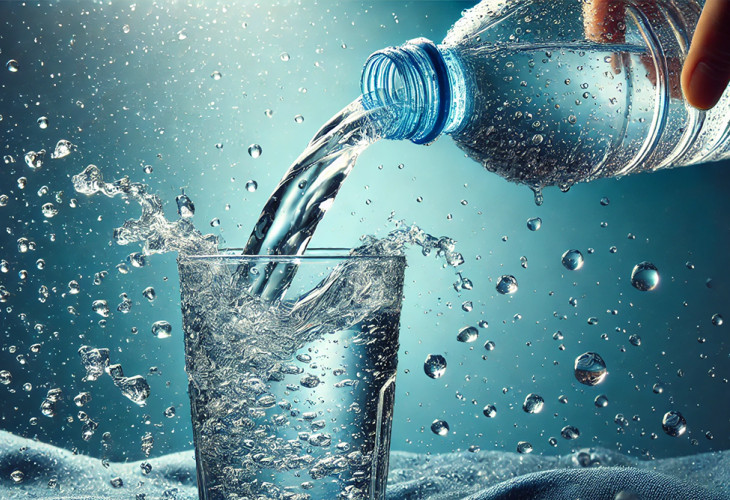
In recent weeks, the weather in Israel has become exceptionally hot, with temperatures exceeding the seasonal average. Many people have been trying to “compensate” for this by drinking plenty of water. Typically, we tend to drink water from bottles—after all, if the bottle isn’t nearby, how will we remember to stay hydrated?—but it turns out that this seemingly harmless habit can also be risky.
Hot weather may cause bottles to release substances that could pose a health risk. So, what should you know about drinking bottled water during these hot summer days?
Sarah Lawson, a food safety expert, tells international media: “Avoid drinking water from bottles left in the sun or in hot environments, such as inside a car. The heat can cause harmful chemicals from the plastic to leach into the water. Staying hydrated is important, but drinking water that has been exposed to heat is not safe. It’s crucial to keep your water bottles cool to protect your health.”
Hot water in a bottle can indeed be harmful, as chemicals from the plastic may seep into the water. These substances can negatively affect the body and potentially cause health problems.
In an interview with Walla, Dr. Hagit Olnovsky, a health risk management expert, explained: “Like food, the main concern with bottled mineral water isn’t the expiration date—it’s how it’s stored. If stored in a cool, dry, and shaded place, bottles can remain safe well beyond their printed date, similar to dry foods like pasta. However, if mineral water is exposed to the sun, it can become unfit for drinking. That’s why you shouldn’t leave water in a car or store it outdoors, as is often done at gas stations.”
She added, “When plastic mineral water bottles are exposed to the sun, the plastic breaks down, and we end up drinking water containing microplastics. While there’s currently no evidence that occasional exposure to microplastics is harmful, there’s no doubt that prolonged exposure could be dangerous.”

