

Seventeenth of Tammuz (Shiva Asar B'Tammuz)
Discovering Fonio: The Ancient Superfood from West Africa
Uncovering the nutritional powerhouse that is fonio, its origins, and recent research findings.
- Shira Dabush (Cohen)
- | Updated
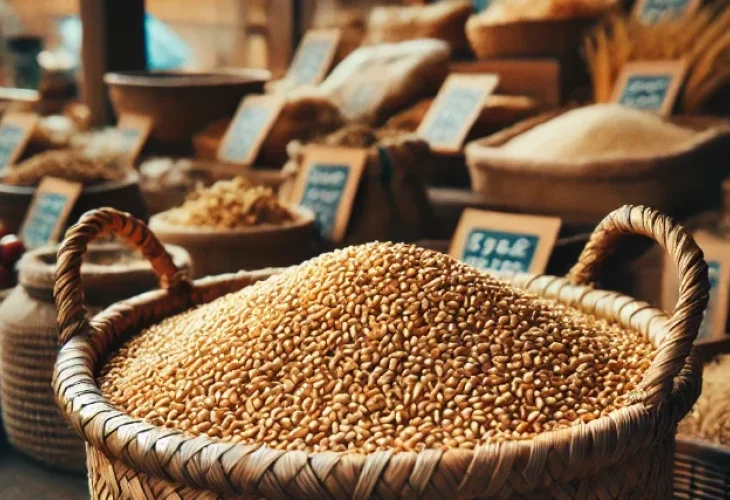
What Is Fonio? It’s Time You Find Out.
Fonio is an ancient grain that grows primarily in West Africa. It is one of the smallest grains in the world and is commonly referred to as either “white fonio” or “black fonio,” depending on the variety. The botanical name for white fonio is Digitaria exilis, while black fonio is known as Digitaria iburua.
Fonio boasts high nutritional value and numerous health benefits, and it is gradually gaining recognition outside of Africa as a superfood.
Future research may further deepen our understanding of this grain’s health and agricultural potential.
Where Was It First Discovered, and Where Does It Come From?
Fonio was first cultivated in West Africa, particularly in the Sahara region, and has been a staple in the diets of indigenous populations there for thousands of years. The primary countries where fonio is grown today include Guinea, Mali, Burkina Faso, Senegal, and Niger.
What Are the Health Benefits of Fonio?
Nutritional Richness
Fonio is rich in protein, fiber, vitamins (especially B vitamins), and minerals such as iron, magnesium, and zinc.Gluten-Free
Fonio is naturally gluten-free, making it suitable for individuals with gluten sensitivity or celiac disease.Low Glycemic Index
Fonio digests slowly and provides sustained energy, which can help maintain stable blood sugar levels.Rich in Antioxidants
Fonio contains antioxidants that may help protect cells from oxidative damage.Supports Digestion
Due to its high fiber content, fonio supports healthy digestion and may help prevent constipation.
Which Conditions Might It Benefit?
Diabetes
Fonio’s low glycemic index may help regulate blood sugar levels.Heart Disease
Its high fiber and antioxidant content may contribute to heart health.Celiac Disease and Gluten Sensitivity
As a gluten-free grain, fonio is suitable for individuals with celiac disease or gluten intolerance.Anemia
Fonio’s iron content may help support the prevention of anemia.
Research on fonio continues to focus on improving cultivation methods, identifying its nutritional properties, and evaluating its health potential.
Key insights from recent studies include:
Nutritional Value
Studies indicate that fonio contains higher levels of protein and minerals compared to grains such as rice and wheat.Metabolic Health
Clinical research suggests that fonio may support stable blood sugar levels and improved metabolic health.Sustainable Agriculture
Researchers are exploring fonio as a resilient, low-maintenance crop that could serve as a nutritional solution in regions with challenging soil and climate conditions.Development of New Products
Interest is growing in the use of fonio as an ingredient in new food products, including bread, cereals, and fast food.

