

Health and Nutrition
Why You Might Want to Rethink Garlic as Your Go-To Antibiotic
Videos online are buzzing about using garlic to prevent illness, but can it genuinely replace medical antibiotics? Here's what you need to know before jumping on the garlic bandwagon.
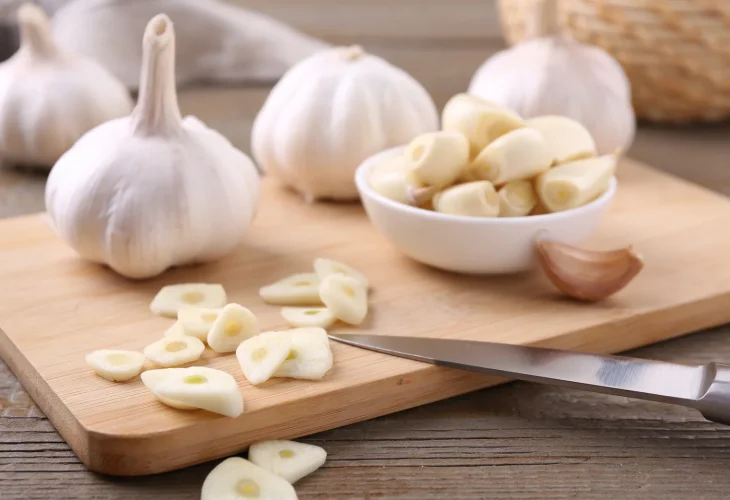 (Photo: Shutterstock)
Recently, social media has been buzzing with a new trend: using garlic instead of antibiotics. Many regular consumers of garlic believe it to be “nature’s antibiotic” and a viable alternative. But is this belief accurate?
According to Ayelet Biran, a clinical dietitian at Maccabi Healthcare Services, garlic does not treat infections or illnesses in the same way antibiotics do. She told N12 that while garlic is indeed very healthy, it is not a substitute for prescribed medication, and patients who are given antibiotics should take them as directed in order to recover.
Garlic helps balance cholesterol levels, manage blood pressure, and reduce inflammatory activity. It may also support weight loss. Fresh garlic is recommended over cooked garlic to maximize its potential benefits.
Dr. Alex Rosenthal, a gastroenterology specialist at Maccabi Healthcare Services in the southern region, noted in an article that although many studies have examined garlic, none scientifically prove that it affects bacteria in the same manner as antibiotics. He also cautioned that excessive consumption of garlic may cause side effects such as bad breath, heartburn, gas, and bloating.
“Individuals taking blood thinners or other medications should consult their doctor before consuming garlic regularly, as it can affect the effectiveness of these drugs,” he advises. “It’s important to consume garlic in moderation, and pregnant or nursing women should consult their physicians before consuming large amounts.”

