

Health and Nutrition
Why the Mediterranean Diet Could Be Your Heart's Best Friend
Recent research shows that sticking to this diet might reduce your risk of heart events. Here's what you need to know and what to savor.
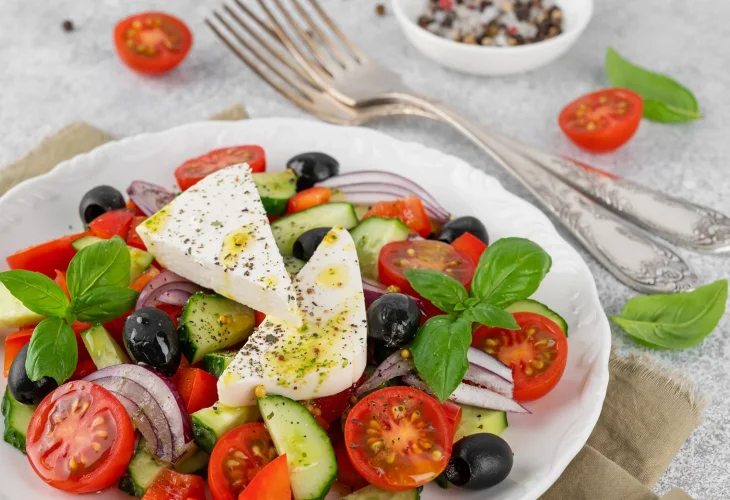
If you’re living in the U.S. but have a soft spot for Mediterranean flavors, you’re not alone. A recent study highlighted the health benefits of following a Mediterranean diet.
Findings published by dietitians Natalie Shemesh and Roni Hasson for the Physicians for Nutrition Organization on the N12 website summarize four major clinical studies involving over ten thousand participants.
The results indicate a 48% lower chance of experiencing heart events, a 38% reduced risk of heart attacks, and a 37% lower chance of suffering strokes.
Shemesh and Hasson explain, "Many believe the Mediterranean diet revolves around olive oil, but while olive oil is part of this diet, it actually includes a wide variety of whole, plant-based foods. The foundation consists of several food groups, chiefly vegetables, fruits, whole grains, legumes, nuts, and seeds." They clarify that the Mediterranean diet is more of a pattern than a strict list.
"This diet isn’t low-fat or low-carb. It’s about the type of fats and carbs, not the quantity," add Shemesh and Hasson. "It emphasizes monounsaturated and polyunsaturated fats such as olive oil, avocado, nuts, seeds, and tahini made from whole sesame, while minimizing fats from butter, margarine, and fatty meats. Carbs come from whole foods like whole grains, legumes, and fruits, not from sweets, snacks, or sugary drinks."
They also dispel myths, such as the idea that drinking wine is necessary to follow a Mediterranean diet. "This diet suits people of all ages—from youth to later life. In fact, it’s never too late to make dietary changes and improve health," they state in the article. "Adopting a Mediterranean diet from an early age can greatly aid in maintaining current health and preventing future ailments."
So, what should you eat? They recommend choosing simple recipes that require minimal preparation or match the time you can invest, such as salad meals, stir-fries, one-pot dishes, poke bowls with various ingredients, or oven trays like antipasti. Quick-prep options include pre-packaged cut vegetables, cherry tomatoes, and frozen or canned vegetables and legumes.
In summary, they write, "Besides the health benefits, the Mediterranean diet offers economic savings and environmental advantages. Raw foods like whole grains, legumes, seasonal fruits, and vegetables are relatively inexpensive, especially compared to eating out."

