

Words of Torah
Avocado or Fried Foods? The Cholesterol Story
Discover the intriguing differences between good and bad cholesterol, and see why your food choices matter so much. Is cholesterol always bad news?
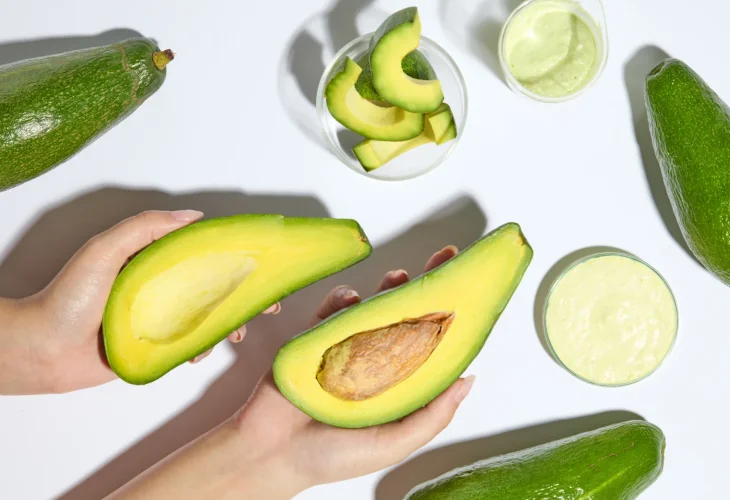
Cholesterol is a type of fat found in the body and is essential for various biological functions, such as building cells and producing hormones. However, it is important to distinguish between the different types of cholesterol. There are two main types: good cholesterol and bad cholesterol.
Good cholesterol (HDL) helps remove excess cholesterol from the bloodstream by transporting it to the liver, where it is broken down and eliminated from the body. High levels of HDL are considered protective for heart health and help reduce the risk of cardiovascular disease. Foods that can increase HDL levels include unsaturated fats such as olive oil, avocados, and nuts, particularly walnuts and hazelnuts. In addition, fish rich in omega-3 fatty acids—such as salmon, mackerel, and tuna—also contribute to raising levels of good cholesterol.
In contrast, bad cholesterol (LDL) tends to accumulate on the walls of blood vessels, forming fatty plaques that can narrow the arteries and lead to conditions such as atherosclerosis and heart attacks. Elevated LDL levels are a major risk factor for cardiovascular disease. Foods high in saturated and trans fats are the primary contributors to increased levels of bad cholesterol. These include processed foods such as cookies, croissants, fast food, and fried items, as well as red meat, butter, and full-fat dairy products.
To maintain balanced cholesterol levels, it is essential to include foods that raise good cholesterol while limiting those that increase bad cholesterol. A healthy, balanced diet rich in vegetables, fruits, whole grains, and healthy fats can improve blood lipid levels and support heart health. Regular physical activity is also an effective way to increase HDL and lower LDL levels.
A review by Israel Hayom found that not all foods containing cholesterol are necessarily harmful. For example, eggs contain cholesterol but are also rich in nutrients and do not significantly raise blood cholesterol levels. However, consuming foods specifically to increase “good” cholesterol is unnecessary, as the body produces it naturally. In any case, it is recommended to consult a doctor or dietitian when determining an appropriate diet.

