

Raising Children
Honey and Babies: Understanding the Risks and Safety Guidelines
Before sharing that apple dipped in honey with your little one, keep in mind the potential danger honey poses to infants. What's the age restriction, and why is it risky?
- Michal Arieli
- | Updated
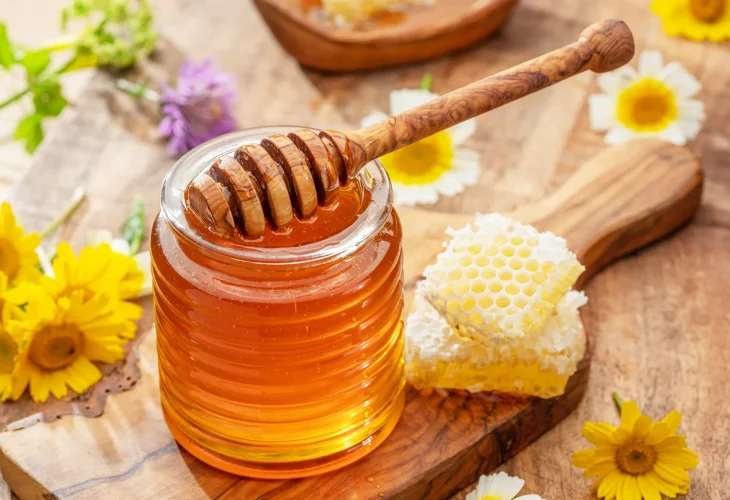 (Photo: Shutterstock)
Rosh Hashanah, the festival of sweetness and blessings, brings with it a variety of delicious honey-based foods. It is rare to find a holiday table where honey is not a centerpiece. However, it is important to remember that not everyone can safely enjoy honey, especially infants under the age of two, as it can pose a serious health risk.
So what is the reason behind this caution? Honey can contain spores of a bacterium called Clostridium botulinum. These spores are a dormant form of the bacterium and are highly resistant to environmental conditions, including heat.
When an infant ingests these spores, they can develop in the digestive system, which is not yet mature enough to handle them. The bacterium produces a powerful toxin that affects the nervous system, leading to a condition known as botulism. Symptoms include muscle weakness, difficulty swallowing and breathing, and in severe cases, paralysis.
Why Are Infants More Vulnerable?
An infant’s immune system, especially in very young babies, is still developing and is not equipped to fight off the bacterial spores or neutralize the toxin. Adults, by contrast, generally have a strong enough immune system and digestive environment to prevent the bacterium from causing illness.
It is important to note that while infants are the most susceptible to honey-related botulism, adults are not entirely immune. Their risk is significantly lower, but individuals with weakened immune systems—such as the elderly, those with chronic illnesses, or people taking immunosuppressive medications—may face a higher risk. Additionally, individuals with injuries or vulnerabilities in the digestive tract may also be more susceptible.
How Can You Minimize the Risk?
The most effective way to prevent honey-related botulism is to avoid giving honey to infants under one year of age. It is important to understand that both organic honey and heated honey can still contain bacterial spores.
What About Foods Containing Honey?
For products such as granola, yogurt, or baked goods that contain honey, it is essential to check the ingredient list. If honey is included, these foods should be avoided for infants.
Take note: most experts recommend waiting until a child is at least one year old before introducing honey. Some, however, advise waiting until the child is between 18 months and two years old to be extra cautious.

