

Health and Nutrition
Why Vitamin K is Essential and How to Boost It Naturally
Discover the types of Vitamin K and why it's crucial to maintain adequate levels in our bodies.
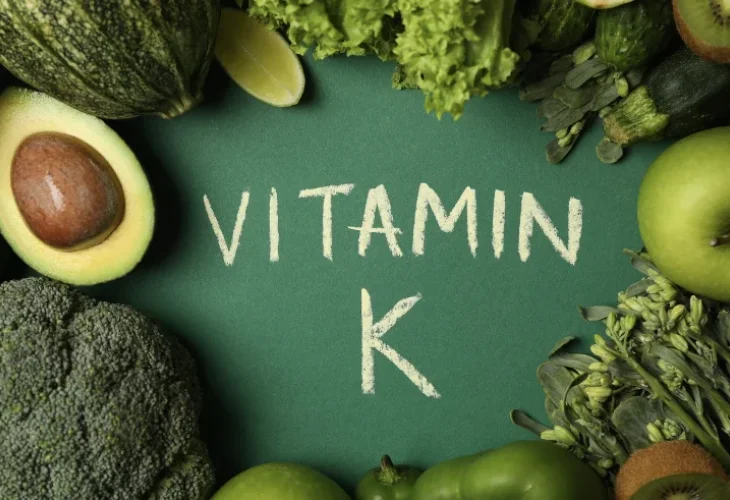
Vitamin K is a vital nutrient that plays key roles in blood clotting, bone health, and cardiovascular function. Ensuring your body gets enough Vitamin K is crucial for overall wellness. Here’s why:
1. Proper Blood Clotting
Vitamin K activates proteins that are essential for blood clotting. Without enough Vitamin K, the body may struggle to form clots properly, increasing the risk of excessive bleeding after injuries.
2. Maintaining Strong Bones
Vitamin K helps activate proteins like osteocalcin, which are critical for building and maintaining healthy bones. Research shows that adequate Vitamin K intake can reduce the risk of fractures and support bone density, especially in older adults and those at risk for osteoporosis.
3. Supporting Cardiovascular Health
Vitamin K helps regulate calcium in the arteries, preventing harmful calcification that can stiffen blood vessels and increase heart disease risk. By activating proteins that inhibit arterial calcification, Vitamin K helps maintain flexible, healthy blood vessels.
How to Naturally Boost Your Vitamin K Levels
Vitamin K is found in a variety of foods, primarily in green leafy vegetables, as well as in animal products and certain oils. There are two main types of Vitamin K:
Vitamin K1 (Phylloquinone)
Mainly found in plant-based foods, especially green vegetables.
Excellent sources include kale, spinach, broccoli, cabbage, and Swiss chard.
Also present in canola and soybean oils, though in smaller amounts.
Vitamin K2 (Menaquinone)
Found in animal-based foods and fermented products.
Rich sources include eggs, beef or chicken liver, and cheeses like Brie and Gouda.
Plays an important role in bone and cardiovascular health.
Ensuring a balanced intake of both Vitamin K1 and K2 through your diet can help keep your blood, bones, and heart healthy.

