

Interesting
7 Indian Healing Herbs Backed by Science
Recent global research highlights the powerful health benefits of Indian medicinal herbs, from boosting immunity to enhancing brain function. Discover the herbs science says you should include in your wellness routine.
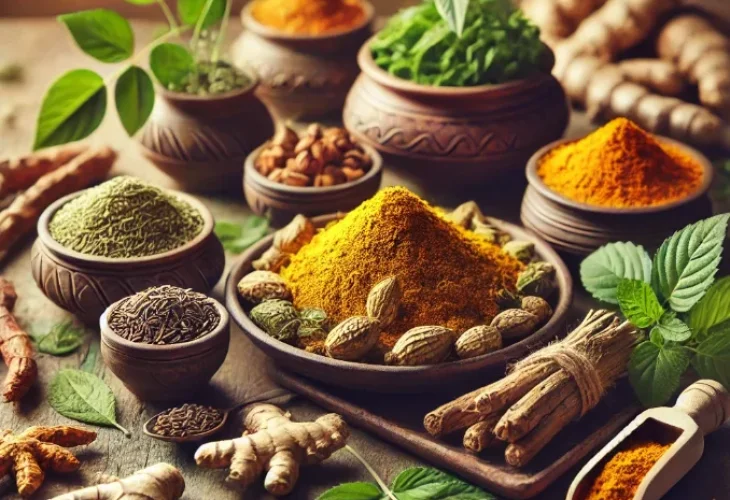
Research into Indian medicinal herbs is gaining momentum, fueled by the rising popularity of Ayurvedic medicine and growing interest in natural remedies for health and wellness. Recent studies from 2023-2024 highlight the diverse benefits of these herbs across various domains. Here’s a closer look at what science is uncovering.
Ashwagandha (Withania somnifera)
Known as "Indian ginseng," Ashwagandha is one of the most widely studied Ayurvedic herbs.
A 2023 study published in Nutrients found that Ashwagandha reduces stress and improves sleep quality. Participants who consumed the herb reported significantly lower stress levels and better sleep compared to the control group.
Another 2023 study demonstrated that Ashwagandha enhances physical performance and endurance in athletes, making it a popular supplement for active individuals.
Turmeric (Curcuma longa)
Turmeric is celebrated for its anti-inflammatory and antioxidant properties.
Research in the Journal of Clinical Medicine found that curcumin, turmeric's active component, reduces symptoms of arthritis and other inflammatory conditions, improving mobility and reducing pain.
A study in Phytotherapy Research suggested that turmeric may also alleviate depression and anxiety, supporting mental health through its antioxidant effects.
Tulsi (Ocimum sanctum)
Also called "Holy Basil," Tulsi is highly valued for its medicinal properties.
A 2023 study in Frontiers in Pharmacology found that Tulsi enhances immune function and reduces the risk of respiratory infections. Participants experienced fewer seasonal illnesses and improved overall immunity.
Tulsi also supports cardiac health by helping lower blood pressure.
Guggul (Commiphora wightii)
Guggul has been used in Ayurveda for managing cholesterol and inflammation.
A study published in Lipids in Health and Disease revealed that Guggul effectively lowers LDL cholesterol, contributing to improved heart health.
Neem (Azadirachta indica)
Neem is prized for its antibacterial and antifungal properties.
Research in the Journal of Ethnopharmacology indicates neem extracts can treat fungal infections and skin conditions while reducing inflammation.
Additional studies show neem is effective in managing gum disease by reducing harmful oral bacteria.
Brahmi (Bacopa monnieri)
Brahmi, or "Water Basil," is known for enhancing memory and cognitive function.
A 2023 clinical study in the Journal of Alternative and Complementary Medicine found that Brahmi improved memory and overall cognitive performance in healthy adults, supporting brain health.
Amla (Phyllanthus emblica)
Also known as "Indian gooseberry," Amla is rich in vitamin C and antioxidants.
Research in Nutrients showed that Amla helps regulate blood sugar in individuals with type 2 diabetes.
It also supports liver function and reduces oxidative stress, promoting overall wellness.
From boosting immunity and heart health to enhancing brain function and reducing stress, Indian medicinal herbs continue to demonstrate remarkable potential. As research advances, these time-honored remedies are increasingly validated by modern science, reinforcing their role in holistic health practices.

