

Health and Nutrition
Hooked on Sugar: A Growing Global Health Concern
With Israelis consuming over twice the recommended daily sugar, discussions on taxing sugary drinks are heating up. How does this stack up against the U.S., and how can we cut back?
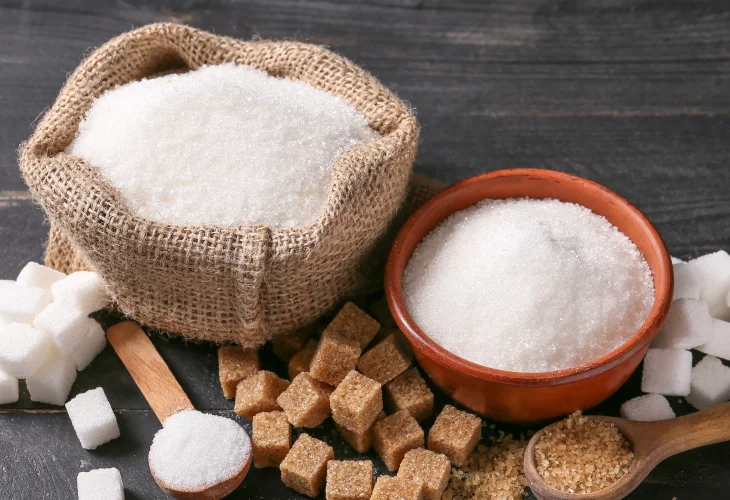 (Photo: shutterstock)
Despite widespread awareness that sugar is harmful to our health and contributes to weight gain, many people continue to consume far too much of it. Recent data reveals just how dependent Americans are on sugar, a trend that appears alarmingly similar in Israel.
Sugar has become a genuine global addiction, prompting many countries to consider legislation aimed at reducing excessive consumption. A recent survey in the United States highlights the scale of the problem: the average American consumes about 99 grams of sugar per day, equivalent to roughly 36 kilograms per year. Much of this sugar comes from sweetened beverages, including coffee drinks and soft drinks. Alarmingly, the study also found that many Americans drink too little water, leading some to turn to sugary drinks to quench thirst.
The survey identified the main triggers for excessive sugar consumption. Daily stress, fatigue, and boredom were commonly cited as reasons for sweet cravings. High sugar intake often leads to quick energy crashes, fatigue, feelings of regret, and difficulty concentrating. Many participants also admitted struggling to resist sugary foods and sometimes delaying tasks just to satisfy a sweet craving.
How does Israel compare? The situation there is also concerning. Estimates suggest that Israelis consume between 91 and 176 grams of sugar per day, depending on the source, far above the recommended amount. This translates to roughly 33 kilograms per year, a level considered both high and unhealthy. Discussions around taxing sugary drinks have brought attention to these elevated consumption rates, but the challenge remains significant.
The research sends a clear message: while occasional sweet treats are part of life, there is an urgent need to raise awareness about sugar’s health risks and take steps to reduce consumption. Addressing sugar addiction is not just about willpower. It requires public education, better access to healthier options, and, in some cases, policy interventions to protect public health.

