

Health and Nutrition
Living Well with Diabetes: A Practical Guide
With consistent monitoring, healthy lifestyle choices, and the right support, people with diabetes can thrive. Dr. David Dvir offers practical guidance for effective long-term management.
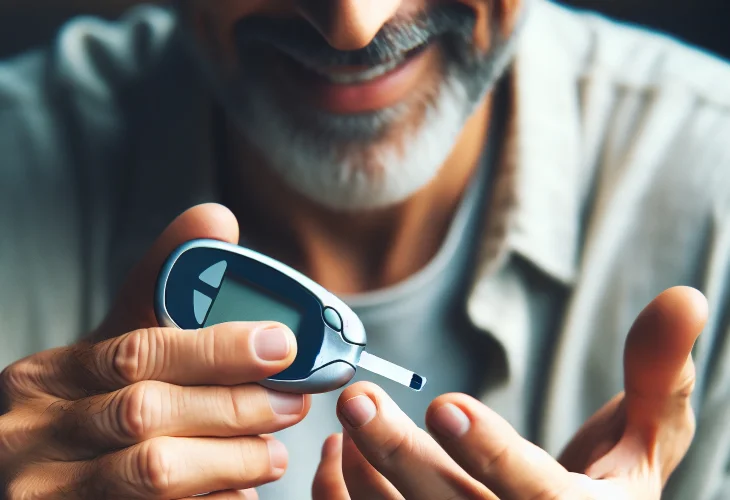
Being diagnosed with diabetes is a pivotal moment. Beyond managing a chronic condition, it often brings concerns about the future. The good news is that diabetes is common, and with the right care, you can lead a full and healthy life. A holistic approach that addresses medical, emotional, and social needs is key to maintaining quality of life.
The Importance of Early Diagnosis
An accurate and thorough diagnosis is crucial for effective diabetes management. Early detection allows for prompt intervention, significantly reducing the risk of future complications. Consulting a doctor or diabetes specialist can clarify the type of diabetes, whether Type 1, Type 2, or gestational, and explain associated risks and long-term implications. Comprehensive blood tests, such as HbA1c, fasting glucose, lipid profiles, and kidney function assessments, help determine disease severity and identify additional health risks. Early awareness empowers you to take control of your health from the start.
Maintaining a Healthy Lifestyle
Adopting a healthy lifestyle is essential after diagnosis. Key components include balanced nutrition, regular physical activity, stress management, and adequate sleep. Support from healthcare professionals can guide you in making sustainable changes.
Diabetes nurses offer guidance on self-monitoring blood sugar, managing hypoglycemia, foot care, daily health checks, and managing diabetes during travel or illness. Clinical dietitians help design personalized meal plans that align with your preferences and health goals. They can also assist with weight management to improve blood sugar control and reduce medication needs.
Exercise guidance from a physiotherapist or doctor ensures that your routines are safe and effective. Other lifestyle measures include quitting smoking and managing stress through yoga, mindfulness, or relaxation techniques.
Personalized Medication Treatment
Diabetes treatment varies depending on the type and severity. Options include oral medications and injectable insulin. Regular follow-ups are essential to adjust treatment as your needs evolve.
Advanced Technology in Diabetes Management
Modern technology can significantly support diabetes care. Tools such as insulin pumps and continuous glucose monitors connected to smartphone apps allow for personalized treatment and better blood sugar control. It is important to choose devices suited to your lifestyle and discuss the benefits and limitations with your doctor before adoption.
Emotional Wellbeing
Diabetes management is not just physical; it can also be emotionally challenging. Seeking support from mental health professionals or joining support groups can provide guidance and reassurance. These resources are invaluable for managing stress, anxiety, or frustration associated with chronic illness.
Preventing Complications
Ongoing monitoring and regular check-ups are crucial for preventing long-term complications. Continuous glucose monitoring and routine exams help detect early signs of eye, foot, neurological, or cardiovascular problems, allowing for timely intervention. Maintaining open communication with your healthcare team ensures optimal treatment and preserves quality of life.
Key Takeaways
A diabetes diagnosis is not a life sentence. With proper care, a healthy lifestyle, and active engagement, managing diabetes is possible and you can still live a full and rewarding life. Focus on what you can do today to maintain your health, make lifestyle changes, and stay informed. Over time, managing diabetes will become a natural part of your routine. Above all, do not hesitate to ask questions and seek support when needed.
Dr. David Dvir is a family medicine specialist and medical director at Maccabi Healthcare Services, advising on diabetes and obesity treatment.

