

Health and Nutrition
Why Refrigerating Cooked Pasta and Rice Might Be Healthier Than You Think
Social media is buzzing with questions about whether reheating foods like pasta and rice affects their nutritional value. Here's what the research says.
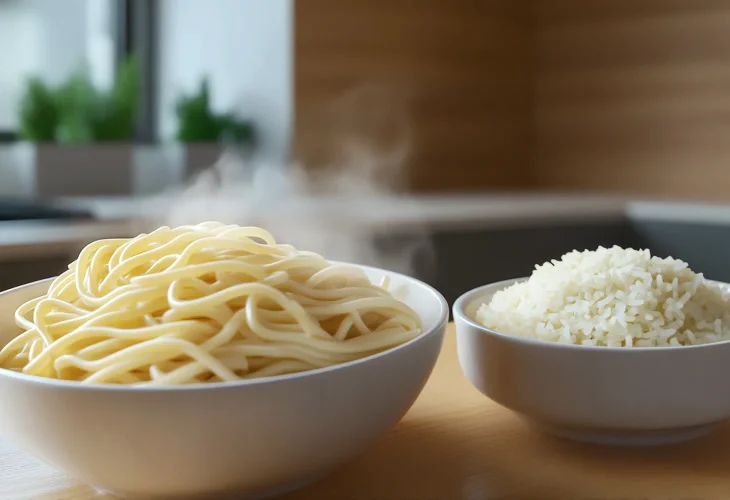
Recently, an intriguing discussion has been circulating on social media about the potential health benefits of reheating starchy foods such as rice, pasta, and potatoes. Many users have been surprised to learn that this process may influence their nutritional value and even support better blood sugar balance.
Most people view leftovers as a convenient meal option without expecting additional health advantages. However, recent studies show that starchy foods undergo measurable nutritional changes after being cooled and reheated. The key lies in the formation of resistant starch, which offers several proven health benefits. Some online videos warn against preparing large batches and refrigerating them—suggesting small portions should be eaten immediately instead—but is this claim accurate?
Dr. Vijaya Surampudi, a clinical nutrition specialist at UCLA Health, explains that resistant starch is a type of carbohydrate the body digests differently. “Due to its molecular structure, it is harder to digest and reaches the colon, where it is fermented by bacteria,” she told TODAY.
A study published in the Asia Pacific Journal of Clinical Nutrition found that rice cooked, cooled for 24 hours, and then reheated contained two and a half times more resistant starch than freshly cooked rice. This discovery prompted further research into the effects on other starchy foods.
The benefits of resistant starch extend beyond structural changes. Studies show it behaves similarly to dietary fiber, supporting healthy gut bacteria and reducing the absorption of carbohydrates. Research published in Nutrition & Diabetes in 2022 reported that a 100-gram serving of cooled rice contains about five grams fewer digestible carbohydrates than freshly cooked rice.
Additionally, a 2019 study in the journal Foods found that people with type 2 diabetes who ate pasta that had been cooled and reheated experienced a more moderate rise in blood sugar compared to those who ate freshly cooked pasta. These findings further support the theory that cooling and reheating can help stabilize glucose levels.
To maximize these potential health benefits, experts recommend cooling starchy foods at 4°C for at least 24 hours before reheating. However, proper food safety practices are essential: leaving cooked starches at room temperature can encourage harmful bacterial growth. Always refrigerate them immediately after preparation and reheat them thoroughly before consuming.

