

Naturopathy and Natural Medicine
Understanding Allergic Reactions: What Happens Inside the Body
What causes allergies, when are they dangerous, and how can they be treated?
- Zohara Sharvit
- | Updated
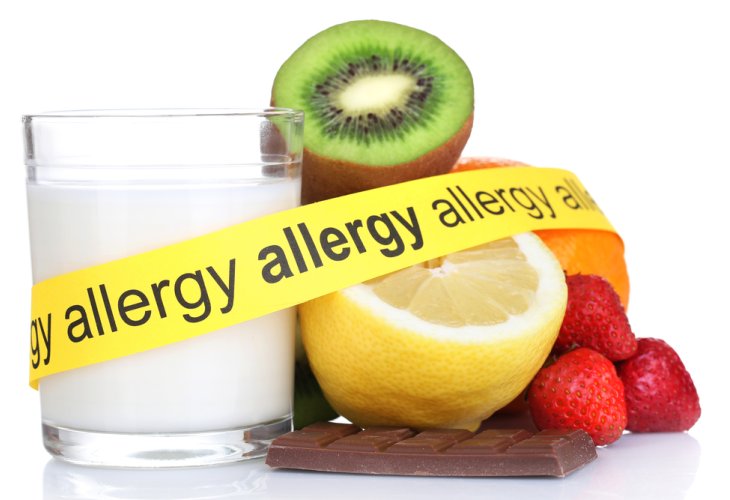
An allergic reaction occurs when the immune system mistakenly identifies a non-toxic substance as a harmful invader. In response to this perceived threat, known as an allergen, the system releases various chemicals, including histamine. This can lead to a range of reactions such as nasal congestion, increased mucus production, skin rashes, headaches, digestive disturbances, and more.
The immune system’s role is to protect the body from potential harm. It is activated by white blood cells called lymphocytes—B and T cells—which originate in the thymus gland. During an allergic reaction, these lymphocytes mistakenly identify a harmless substance as an enemy and begin producing antibodies against it.
It is important to understand that B cells “remember” the antigen they respond to. With each subsequent exposure to the same antigen, an allergic reaction may occur—either immediately or gradually over time. When an allergen is encountered, cells release substances, most notably histamine. When histamine levels are balanced, it is harmless; however, an imbalance leads to allergic symptoms.
An allergic reaction may appear immediately, within seconds or minutes, or it may develop after a day or two. In some cases, symptoms are not easily linked to the allergen because a significant amount of time has passed since exposure.
In rare cases, an allergic reaction can be severe and may require immediate medical intervention, such as in anaphylactic shock.
There are also situations in which an allergy develops only after years of repeated exposure to the same allergen, eventually leading to sensitivity and various symptoms. This can make it difficult to identify the cause, as the substance may have been consumed or encountered for years without any previous reaction.
Additionally, one allergy can worsen another, even when the two are not directly related.
To identify the source of an allergy, careful tracking and documentation are essential. An elimination diet can be helpful: suspected foods are removed for several weeks and then reintroduced one at a time to observe any reactions.
Children who grow up in environments with smokers have a higher risk of developing allergic sensitivities.
Vitamin C has antihistamine properties. It is most effective when taken in smaller doses—500 mg two or three times a day—rather than a single 1000 mg dose, which is not absorbed as efficiently.
Nettle is effective for treating skin issues caused by allergies.
Thyme helps moderate the immune system’s response.
Omega-3 fatty acids from fish or flaxseeds help reduce inflammation associated with allergies.

