

Naturopathy and Natural Medicine
Could Protein Sensitivity Be Affecting Your Health?
Wheat protein and milk protein are just two types of proteins that might cause sensitivity in different individuals. Find out which protein might be affecting you and what you can do about it.
- Rut Liat Faltz
- | Updated
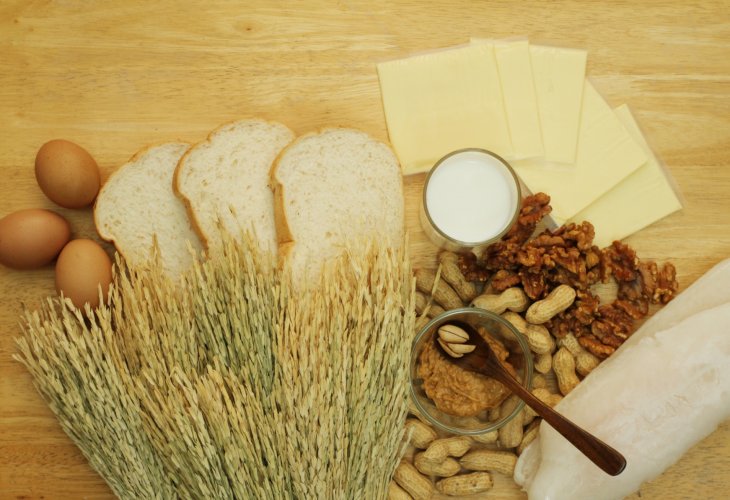
Today, many illnesses arise from sensitivities to various foods, particularly to the proteins they contain, due to the extensive processing foods undergo before reaching our plates. The main proteins known to trigger an immune response in the digestive system in our generation are wheat protein (gluten)—as wheat has undergone many modifications in recent years and is therefore harmful to many people—and milk protein (casein).
There may also be sensitivities to egg and soy proteins (especially if genetically modified), sesame (tahini), corn (genetically modified), yeast in bread, rice (due to excessive consumption), and animal proteins such as meat and poultry, which can cause sensitivity after frequent and excessive exposure. All of these foods contain complex proteins, and the immune system may attack them, potentially leading to symptoms such as elevated blood sugar, inflammation in various parts of the body, weight gain, autoimmune diseases, hormonal imbalances, bloating, abdominal fat, and more.
Before despairing, it is important to understand that each person reacts differently to these foods. Identifying which proteins you are sensitive to can help promote healing and overall well-being. The most effective way to determine food sensitivities is through antibody testing in stool samples, as this reflects immune system activity in the intestines—where food first enters the body—rather than blood tests, which may sometimes fail to detect sensitivities such as gluten intolerance.
So, what can you eat? Ideally, your daily diet should be based on simpler proteins, such as vegetables, root vegetables, fruits, nuts, almonds, seeds, leafy greens, sprouts, legumes (preferably sprouted), and certain non–genetically modified grains, provided you are not sensitive to the gluten they contain. Recommended grains include spelt, oats, rye, and barley. Wheat should be avoided, as it is heavily modified and far removed from the healthier wheat of the past. Most importantly, foods should be as varied as possible, while reducing consumption of complex animal proteins during the week, such as meat, poultry, fish, and eggs.
A helpful approach is to begin with a simple menu for one week: fresh fruits in the morning with raw almonds; healthy spelt or rye bread without yeast and with a nutritious spread; a large vegetable salad with avocado during the day; and legume-based soups or stews. Your general well-being should improve throughout the week, guiding you toward better health and a more pleasant feeling, with Hashem’s help. Afterwards, consult a naturopath who can help organize and diversify your menu.

