

Naturopathy and Natural Medicine
The Processed Meat Debate: Is It Worth It?
In every meal with animal protein, it's beneficial to include vegetables, especially leafy greens like lettuce, celery, cilantro, and parsley for proper digestion.
- Zohara Sharvit
- | Updated
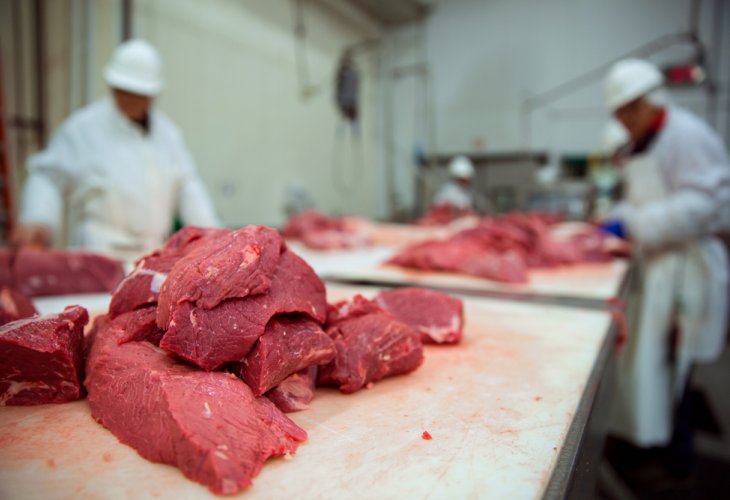
Everyone has different dietary needs, but most people require some amount of meat in their diet. To maintain health, the consumption of unprocessed red meat, especially lean cuts, is not restricted.
Lean, unprocessed meat is an excellent source of vitamin B12, which is found only in animal products, with meat providing particularly high levels. It also contains iron, zinc, highly bioavailable proteins, and more.
Due to the high protein content in meat, intake should be limited. The daily protein requirement is approximately 0.8% of body weight. Excess protein is converted into homocysteine, a waste byproduct of animal protein metabolism that the body does not need.
Elevated levels of homocysteine in the blood can lead to toxic accumulation and increase the risk of heart disease, high cholesterol, diabetes, inflammation, and other conditions. Therefore, it is advisable to reduce the consumption of animal-based foods and increase the intake of fruits, vegetables, and plant-based proteins such as legumes, including chickpeas, beans, lentils, and more.
The timing of consuming meat or animal proteins is also important. These foods should not be eaten in the evening and certainly not at night, as the digestive system is less capable of processing concentrated foods at those times.
In every meal that includes animal protein, it is beneficial to add vegetables, especially leafy greens such as lettuce, celery, cilantro, and parsley, to support proper digestion.
Processed meats undergo various preservation methods such as fermentation, smoking, or other techniques designed to enhance taste or extend shelf life. These include sausages, deli meats, pastrami (even whole cuts), burgers, kebabs, and similar products commonly found on store shelves.
Meat processing technologies often involve cooking at very high temperatures, including frying in oxidized and toxic oils, smoking, and roasting. These processes can lead to the formation of substances that are potentially harmful to health.
Additionally, manufacturers place strong emphasis on appearance to increase sales. To improve taste, texture, and color, flavor enhancers, preservatives, stabilizers, colorings, and other industry-specific additives are used to make products more appealing and palatable.
Research indicates a connection between digestive problems and the frequent consumption of processed meats. Therefore, it is recommended to eliminate all types of processed meat from the diet.

