

Health and Nutrition
Decoding Trans Fats: Where They Hide and How to Avoid Them
The food industry uses hydrogenated fats to increase product shelf life.
- Zohara Sharvit
- | Updated
Fats are essential for numerous bodily functions. Consuming healthy fats in moderation can support weight loss, boost energy, strengthen the immune system, and improve digestion.
Trans fats have existed since the late 19th century, created through a process called hydrogenation, in which hydrogen is combined with fats. Consuming hydrogenated fats can disrupt natural bodily processes and lead to various health issues.
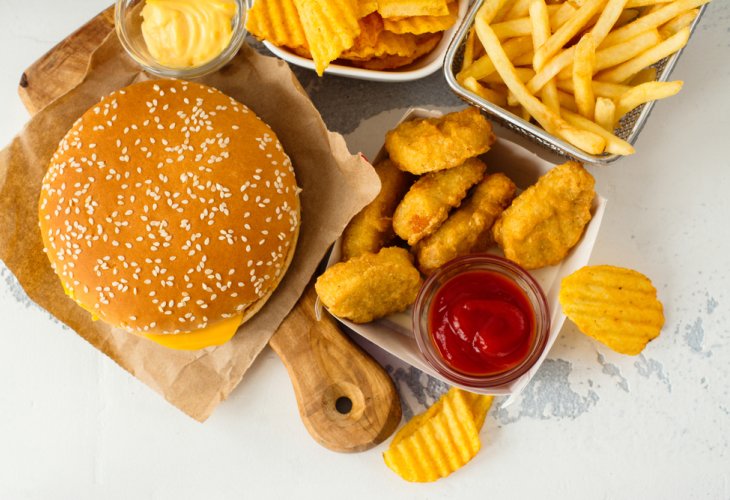
Trans fats are commonly found in junk food, frozen foods, margarine, chips, pastries, and many other processed products. On ingredient labels, terms such as “hardened vegetable fat” or “vegetable cream” indicate margarine.
Margarine is a primary source of trans fats. In some regions, manufacturers have worked to reduce trans fat content in margarine production. For example, modern margarine may contain no more than 2% trans fat. However, even margarine with less than 1% trans fat should be approached with caution. The process of making margarine changes the chemistry of vegetable oil, turning it from liquid to solid and creating fatty acids that the body does not recognize or know how to break down. These fatty acids circulate in the bloodstream and accumulate on blood vessel walls as plaque, impairing blood flow.
The food industry uses hydrogenated fats to extend the shelf life of products. Margarine also acts as a preservative, as solidifying liquid fat increases durability, which is more profitable for manufacturers.
Trans fats are associated with increased cholesterol, a higher risk of diabetes, inflammation, negative effects on brain function, potential harm to fetal development, and more. They are present in breakfast cereals, snacks, cakes, and cookies, contributing to overconsumption, particularly among children.
To replace margarine, it is recommended to use cold-pressed coconut oil. Generally, cheaper oils are refined and not recommended. Most recipes that call for margarine can be adapted to use oil instead—even canola or soybean oil is a healthier alternative. Even margarine marketed as “healthy,” such as coconut oil-based varieties, is often hydrogenated and should be avoided.
Zohara Shavit is an N.D., a naturopath and iris diagnostic specialist with many years of experience in treatment, consultation, and workshop leadership. To book a free workshop, call 073-2221290.

