

Interesting
From Terror Attack Survivor to Groom: The Inspiring Journey of Dvir Shnerb
After surviving a deadly explosion that claimed his sister Rina’s life, Dvir Shnerb rebuilt himself through faith, resilience, and determination
- Moriah Luz
- | Updated
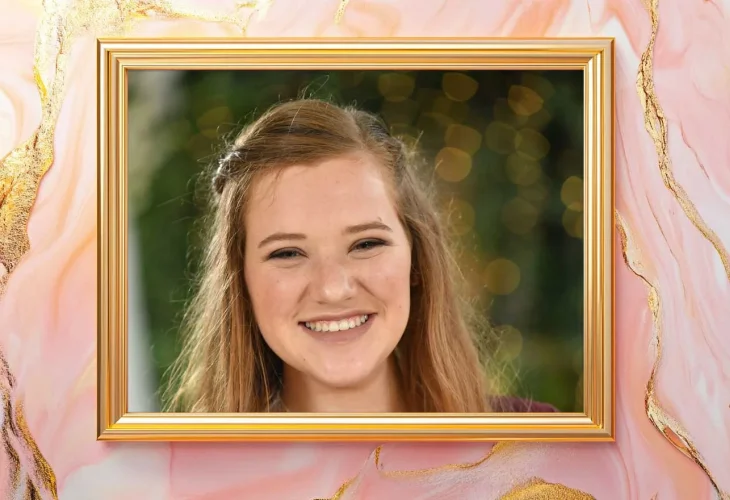 In the picture: Rina Shnerb, of blessed memory.
This wedding canopy was especially emotional. Six years earlier, it had not been at all certain that the groom, Dvir Shnerb, would ever reach this long-awaited moment. Dvir, then 19 years old, was in the middle of an intensive army medic training course. He used Friday as an opportunity to take a short hike with his father and his sister. The explosive device that had been planted along the path where they walked changed everything.
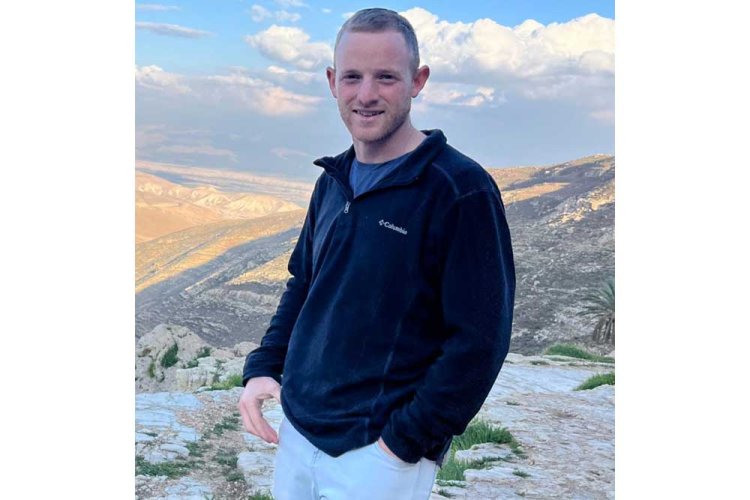 דביר שנרב
“A Home of Torah and Service”
Shnerb grew up in Lod. His parents were among the founders of the city’s Torah-social community initiative.
“I grew up in a home of Torah and public service. My father, together with several others, established a community aid fund that helps people in the city in many different areas. Much of his time is dedicated to helping others. We are twelve siblings, and my mother devoted all those years to raising the children and managing the home. Alongside everything she did for us, there was always food in large quantities that she prepared for people in need.”
On Friday, the 22nd of Av 5779 (August 2019), Dvir went out with his father, Rabbi Eitan, and his sister Rina, for a short trip in the Binyamin region.
“We debated where to go, and whether there was army security at the site. At first we thought about going to Einot Aner, but Rina suggested that if we’re already traveling, we should continue to the Dani Spring — named after our neighbor from Lod, Dani Gonen, who was murdered there. On Fridays, soldiers are stationed there to secure the area, and there’s meaning in coming then to strengthen the Jewish presence.”
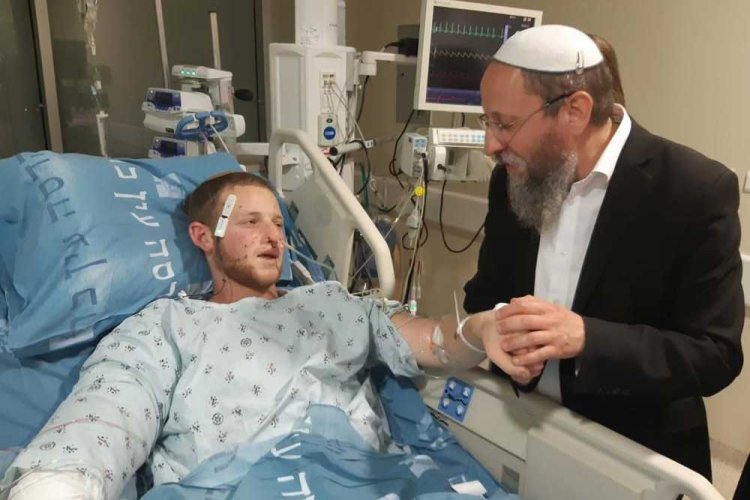 דביר בבית החולים לאחר הפציעה בביקור של הרב יוסף צבי רימון
During the drive, they spoke about Dvir’s medic course and about new songs that had come out. They listened to Yitzchak Meir’s song “Drush Na Dor’shecha,” which ends with the words: “to hear the song and the prayer.” After the attack, that song would later be recorded again in Rina’s memory.
Rabbi Eitan phoned the operations center to verify that the site was secure, and was told that the soldiers were on their way and that there was no special concern.
They parked near the path leading to the spring and began to walk.
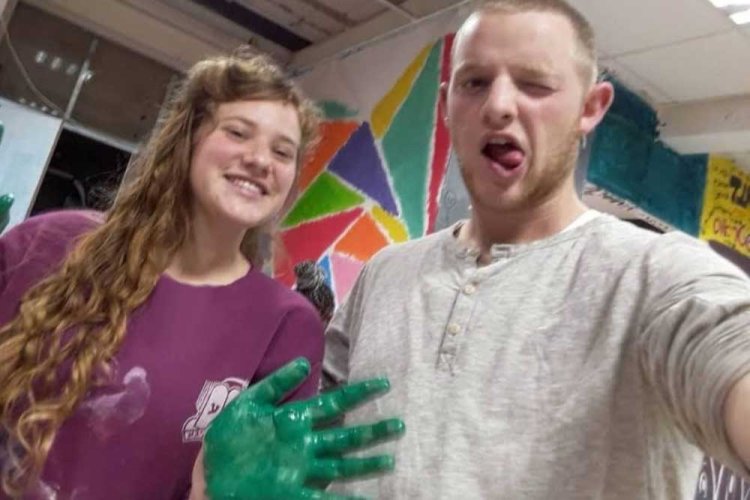 דביר לצד אחותו רנה הי"ד
“My Father Tested Me — Minutes Before He Had to Save My Life”
“My father had been a combat medic in the army,” Dvir recalls. “As we walked, I asked him to quiz me about different medical scenarios. He asked questions, and Rina walked slightly behind us, checking our answers on her phone.
“In an almost bitter irony, he was asking me about the use of a tourniquet — what to do if you’re in the field and don’t have one available. A few minutes later, he was the one applying a tourniquet to me, using his shirt and tzitzit.”
Suddenly, there was a powerful explosion.
“I felt like a car had slammed into us from behind at full speed. I didn’t understand what had happened — I was in total shock. My father realized immediately that it was an explosive device. He shouted to us — something very unlike him — just to make sure we were conscious.
“I answered him… but Rina didn’t. She had been closest to the device.”
Rabbi Eitan tried to resuscitate Rina, but there was nothing more that could be done. He returned to Dvir, grabbed his shoulders and said, as clearly and directly as possible: “Dvir — Rina has been killed. Now we must be strong, for Rina, and for the people of Israel.”
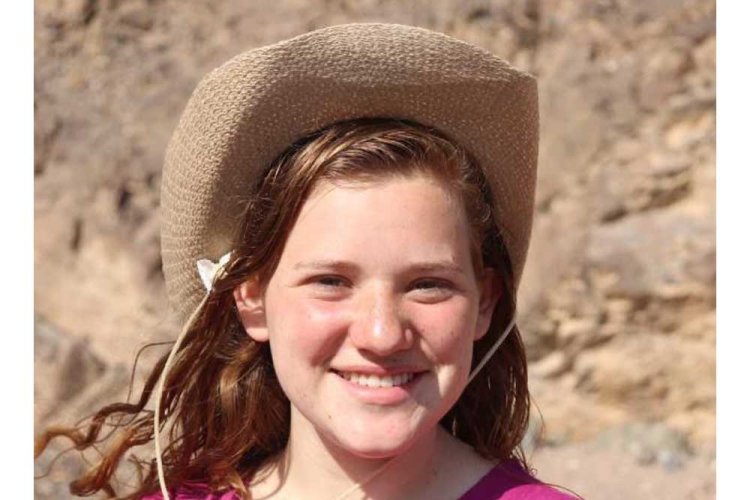 רנה שנרב הי"ד
Only afterward did he realize that Dvir himself was gravely wounded. Shrapnel had struck major arteries and his lungs, and he was losing large amounts of blood. Rabbi Eitan removed his shirt and tzitzit and improvised a tourniquet.
While treating him, he tried to call for help — and by mistake first phoned his wife instead of the emergency services. He didn’t tell her yet that they had lost their daughter — only that there had been an attack and that she must call for help.
Later at the hospital it became clear that Rabbi Eitan himself had also been wounded by shrapnel and was suffering fractures in his pelvis and ribs.
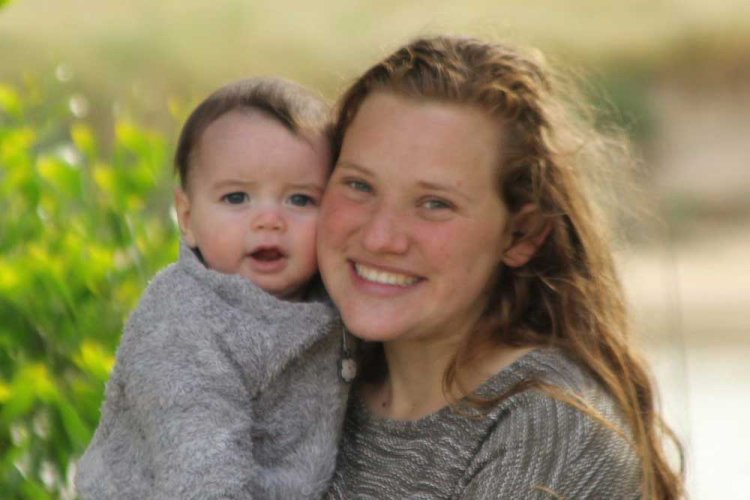
“A Miracle — and a Tragedy”
According to the investigation, the terrorist cell from the Popular Front for the Liberation of Palestine had been planning a large-scale attack for months. The device had been planted specifically for the group of soldiers expected to arrive at the site.
When the terrorists saw Dvir’s family — they noticed the kippah, the beard, the tzitzit, and activated the device. A brief delay meant that Dvir and his father had already passed the exact spot when it exploded. Rina, who was just behind them, was killed instantly.
The terrorists fled immediately afterward.
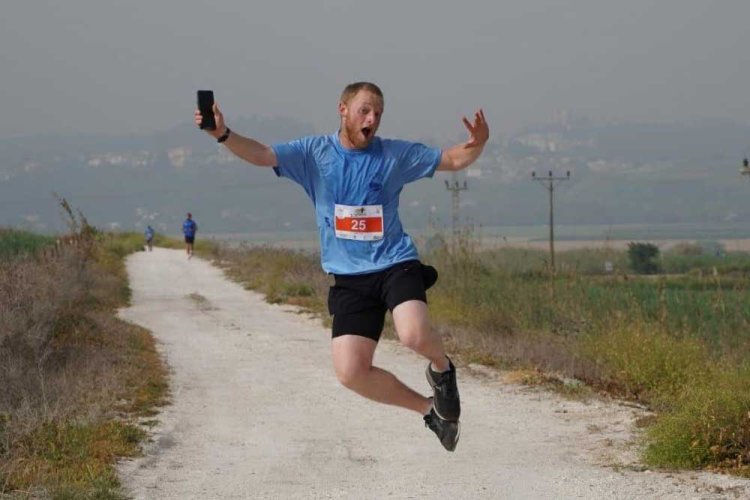 דביר בריצה לאחר הפציעה
“Waking Up to a New Reality”
Rina’s funeral took place that same day. Rabbi Eitan, moderately injured, delivered a eulogy from the hospital by phone. Dvir, critically wounded and unconscious, was in life-threatening condition.
“I woke up during Shabbat into a new reality, and began my new life,” he says.
The week of mourning took place while he was still hospitalized. His mother strengthened him with extraordinary emotional resilience. “She spoke with such clarity and faith,” he says. “She didn’t collapse — she carried us.”
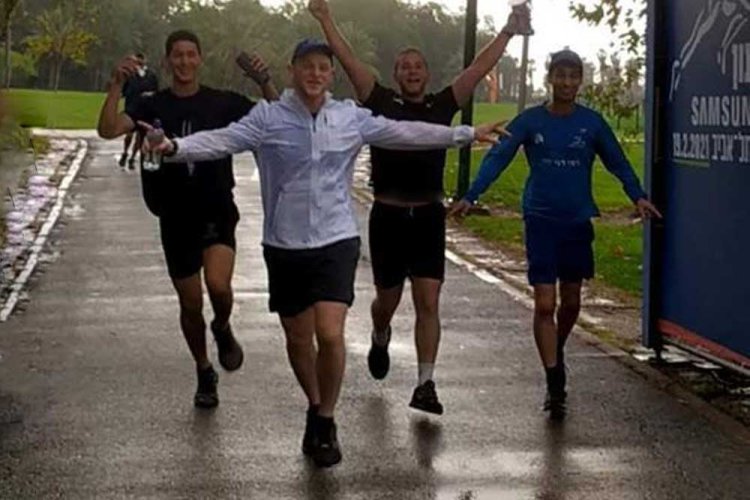 דביר במרתון תל אביב לאחר הפציעה
“From a Wheelchair — to a Marathon”
After the shiva, Dvir made a decision: healing would not just mean physical rehabilitation — it would mean rebuilding his inner world.
“At first I was in a wheelchair. I started very small — the first workout, a month after the attack, was just a few minutes of walking. A year and a half later… I ran the Tel Aviv Marathon.”
Faith in the process, he says, carried him through. Stories of others who had recovered from trauma gave him strength, and inspired him to later visit bereaved families himself.
He also received support from people all over Israel: “You constantly feel surrounded by people who want you to succeed, who want you to be happy. I don’t know if there’s another nation like this.”
Two and a half months after the attack, he completed his medic course. Two years later, he was able to enlist in the army — in a different role than he had once dreamed of — and eventually rose to the position of company commander.
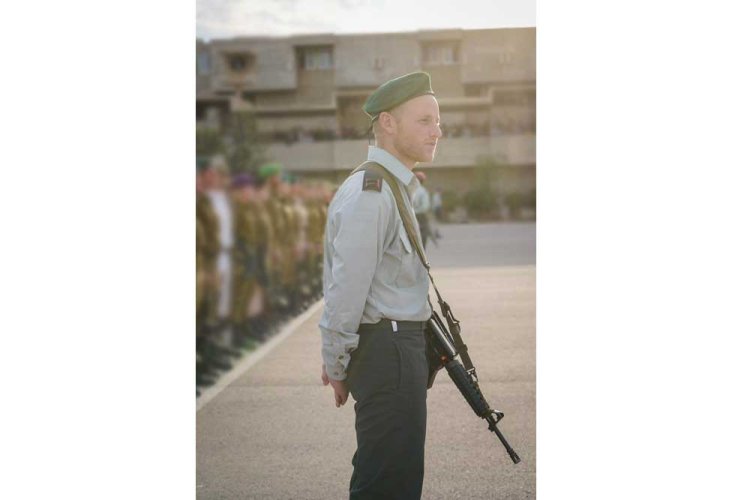 דביר כחייל
 Testifying in Court — and Choosing Life
Recently, Dvir testified in court before the terrorists responsible for the attack. “They sat there smiling,” he says. “I knew my words would not affect them — so I spoke to the judges.”
He told them how the attack had shattered his sense of personal security — and asked them to truly hear the pain of their own people.
The trial, he notes, is still not over.
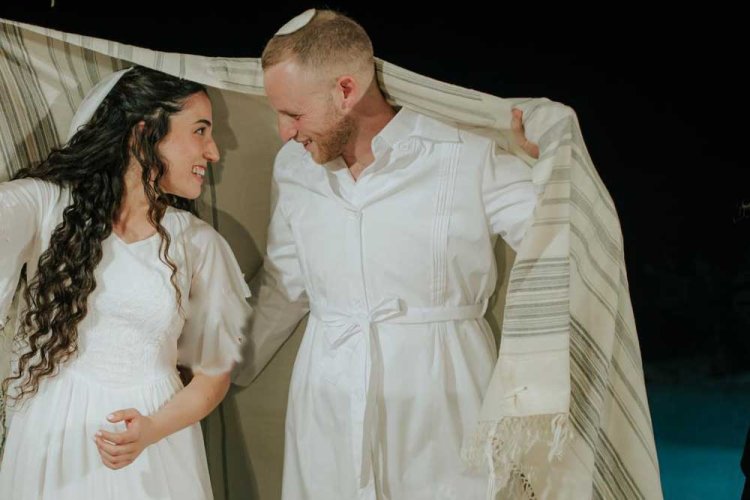 דביר ודנה בחתונתם. צילום: עפרה קשתיאל
“We Felt Rina Under the Chuppah”
About a month ago, Dvir married his wife, Dana. Their engagement announcement was shared on Israel’s Independence Day — the day after Rina’s memorial.
“At first, in the early years, I thought I would never be happy again,” he says honestly. “But over time, I learned to create space inside for joy — alongside memory.”
Under the wedding canopy, they chose to play “Drush Na Dor’shecha,” the song they had listened to together on the drive before the attack.
“We wanted Rina to be present at the chuppah. We felt her there — without a doubt.”

