

Wonders of Creation
Teshuva: The Power to Begin Again
Teshuva is more than repentance. This article explores why the ability to return was created before the world and how it allows us to begin again, no matter where we are.
- Rabbi Yaakov Yisrael Lugasi
- | Updated
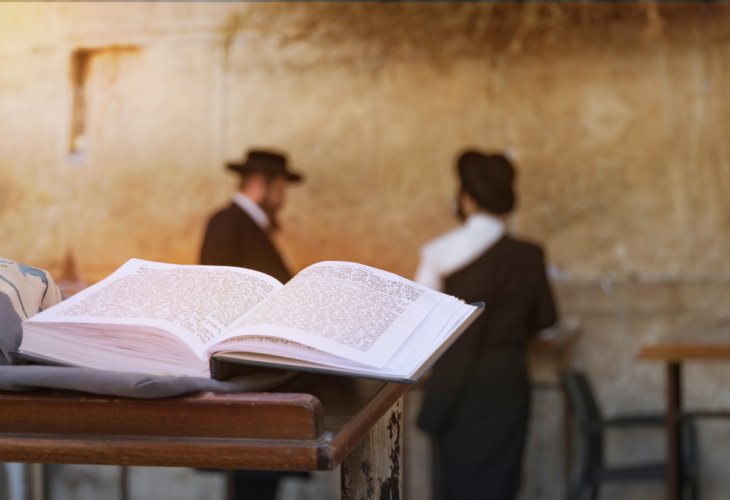 (Photo: Shutterstock)
What Is Teshuva?
Teshuva is often translated as “repentance,” but its deeper meaning is “return.” It is the ability to turn back to Hashem after making mistakes, to recognize where we went wrong, feel sincere regret, and choose a better path moving forward. At its core, teshuva is not about punishment, but about renewal and reconnection.
Why Teshuva Was Created Before the World
Our sages teach that teshuva was created before the world itself. Why was this necessary?
Hashem governs the world with justice, often described as “measure for measure.” For the world to function properly, wrongdoing must have consequences. Justice is deeply valued by Hashem, as the prophet Isaiah says: “I am Hashem, who loves justice.”
If justice alone governed the world, failure would permanently distance a person from Hashem. Teshuva exists to prevent that outcome. It allows a person to step beyond strict justice and return through divine mercy. This is Hashem’s extraordinary gift to humanity: the ability to renew ourselves, repair what was broken, and begin again.
The Astonishing Power of Teshuva
The Rambam teaches powerful truths about teshuva. A person should never believe that past sins have placed them forever beyond the reach of righteousness. On the contrary, when someone repents sincerely, they are beloved by Hashem as if they never sinned at all.
Teshuva brings a person close to the Divine Presence. One day they may have felt distant and unworthy, but the moment they return with sincerity, that distance disappears. This transformation happens immediately, revealing the remarkable power of teshuva.
A Change That Defies Logic
From a human perspective, this idea is difficult to grasp. How can someone move instantly from rejection to closeness, from failure to favor?
The miracle of teshuva lies precisely here. It does not follow human logic; it reflects Hashem’s boundless mercy. When a person feels genuine regret and commits to change, their spiritual standing is transformed.
The Talmud teaches that even a small moment of sincere regret can signal a turning point in a person’s spiritual direction. Although we struggle to believe such a change is possible, this is how Hashem relates to us.
A Teaching From the Chafetz Chaim
Rabbi Nathan Meir Wachtfogel once asked the Chafetz Chaim what message he should share before traveling to Africa. The Chafetz Chaim answered simply: “Teshuva is easier than people think. It is regret and taking responsibility.”
The real difficulty, he explained, is not the process itself, but the inner voice that convinces us it is too hard, too distant, or too late.
Choosing Hope Over Despair
Consider a practical example. A man once missed morning prayers and did not put on tefillin one day. Instead of correcting his mistake and continuing forward, he became discouraged and withdrew from his spiritual efforts for weeks.
Had he understood the power of teshuva, he would have known that forgiveness and closeness were available immediately. With that awareness, he could have resumed his spiritual path with hope rather than despair.
This lesson applies to everyone, whether returning after drifting away from faith or striving to grow further in their spiritual lives. Belief in teshuva protects us from hopelessness.
The Heart of Teshuva
The true strength of teshuva lies in recognizing that every sincere effort to return is met with infinite love and acceptance from Hashem. No genuine attempt is ignored. No honest regret is wasted.
Our sages emphasize that Hashem waits patiently for us, ready to welcome us back at every moment. Understanding this truth gives us the courage to rise after failure and continue forward with confidence.

