

Magazine
The Spiritual Meaning of Tu b'Shevat: The Blessing and Symbolism of Fruits in Jewish Tradition
Explore the three categories of fruits, their deeper spiritual significance, and the unique holiness of fruits from the Land of Israel
- Rabbi Yitzhak Betzri
- | Updated
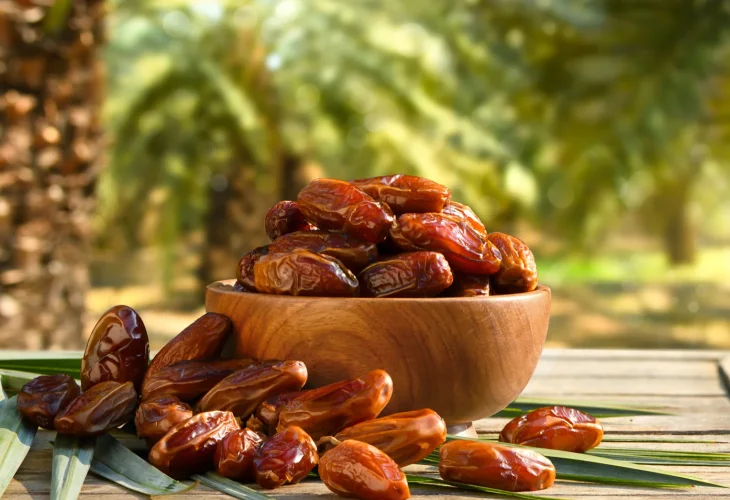 (צילום: shutterstock)
God created a wondrous and diverse world. Not only were basic foods necessary for human survival brought into existence — such as flour and water, but God also created a wide variety of fruits, each with its own color, shape, taste, texture, and unique nutritional qualities. As we say in Birkat HaMazon: “He feeds us and the entire world with His goodness, grace, kindness, generosity, and great compassion.”
Beyond the very creation of food itself, every fruit possesses its own special beauty and charm.
The Sages taught in the Jerusalem Talmud that from the abundant goodness bestowed upon us, a person should taste from every type of fruit and praise God for all the blessings He has given. They said: “A person will one day be judged for everything his eyes saw but he did not eat.”
It is told that Rabbi Elazar would save small coins throughout the year so that he could buy and taste from every fruit at least once annually. Thus, on Tu b'Shevat — when the table is set with many varieties of fruit, one should recite the blessings with intention and reflect on the unique qualities of these foods. Through making a blessing before eating, one brings spiritual rectification to the souls that are mystically connected to the fruits.
Three Categories of Fruits
The holy writings, in the name of Rabbi Chaim Vital, describe three categories of fruits:
1) Fruits entirely edible — no shell or hard pit
These include fruits such as figs, apples, and pears. Their small soft seeds are not considered significant. These fruits symbolize those in which there is no mixture of spiritual “negativity.”
2) Fruits with no outer shell, but with a hard inedible pit
Examples include olives and dates. These fruits represent those in which a small element of “negativity” exists internally.
3) Fruits with an outer shell or peel that must be removed
Examples include pomegranates, oranges, and walnuts. In these fruits, the “outer negativity” is more pronounced, and we remove it to reach the edible part within.
Some have the custom to place all three types of fruits on the Tu b'Shevat table, with the intention of spiritually rectifying all levels and types.
The Special Value of Fruits of the Land of Israel
It is especially praiseworthy to bring fruits grown in the Land of Israel, for they possess unique holiness. Since they draw nourishment from the holy land in which the Divine Presence dwells, the fruits themselves are influenced with sanctity and purity.
Eating fruits of Eretz Yisrael is said to add strength and wisdom to a person. Rabbi Yosef Chaim of Baghdad (the Ben Ish Chai) would send a special messenger each year before Tu b'Shevat to bring him fruits from the Land of Israel, and he would recite the blessings over them with great joy.
It is also customary to bring carob to the table on Tu b'Shevat, as there is special significance to eating it on this day. However, one must take care to check all fruits for insects or worms, as Jewish law strictly prohibits consuming them.
A Special Prayer for an Etrog
On Tu b'Shevat, it is appropriate to pray to merit a beautiful and truly kosher etrog for the mitzvah of the Four Species on Sukkot. Rabbi Yosef Chaim included in his work Lashon Chachamim a special learning order for Tu b'Shevat, along with a prayer for the fruits of the trees — and to merit an especially fine etrog.

