

Israel News
Tu b'Shevat: Meaning and Spiritual Insights on the New Year for Trees
Customs and prayers associated with Tu b'Shevat
- Hidabroot
- | Updated
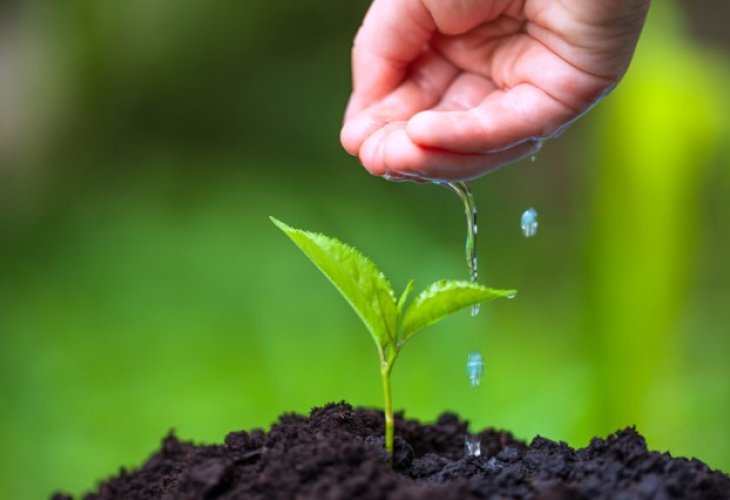 (Photo: shutterstock)
The fifteenth of Shevat is one of four “New Years” in the Jewish calendar. These are: the first of Nisan, the first of Elul, the first of Tishrei, and the fifteenth of Shevat. Each one is a “New Year” for its own specific purposes, and the fifteenth of Shevat is the New Year for trees.
Is Tu b'Shevat a Festival?
Although Tu b'Shevat is called a “New Year,” this title applies only to its specific legal context — namely, the tithing of fruit from trees. It is not a festival in the sense of prohibiting labor or requiring feasting or expressions of joy, and it is not mentioned in the prayers.
Nevertheless, the day is observed with a slightly elevated status compared to regular weekdays, and some customs treat it with a “quasi-festival” atmosphere. When the people of Israel eat the fruits of the Land and enjoy their goodness, they bless God — before and after eating — the One who granted them this precious land, and they pray that He renew its vitality and theirs as in earlier days, in fulfillment of His promises to the forefathers, Avraham, Yitzchak, and Yaakov. As it is written in the passage praising the Land of Israel:
“You shall eat and be satisfied, and bless the Lord your God for the good land that He has given you.”
A Time of Spiritual Judgment and Prayer
The New Year for trees is also a time of prayer and judgment for the trees themselves. It is God’s way that at the beginning of the growth cycle of any of His creations, He surveys all of its seasons and future outcomes — and this is therefore a fitting time to pray for its success.
Since the Torah compares a person to a tree of the field, this day has a symbolic aspect of “judgment” for the human being as well — who is likened to a tree. This reflects the unique nature of the Jewish people, who rejoice even on days of judgment.
Because Israel loves justice and rejoices in it, they ultimately merit a favorable judgment. (This is explained in Sefer HaToldot.)
Is there a special blessing to recite on dried fruits on Tu b'Shevat?
There is no special blessing. All of the regular laws of blessings apply as they do throughout the year.
However, there is a special prayer for the success of the year’s produce, which is recited on Tu b'Shevat during the day — not necessarily at the moment of eating the fruits.

