

For the Woman
Discovering Shevat: Spiritual Insights and Significant Dates
From its roots in the Torah to its meaningful dates and traditions, this article explores the spiritual significance of the month of Shevat and the opportunities it offers for growth, prayer, and renewal.
- Hidabroot
- | Updated
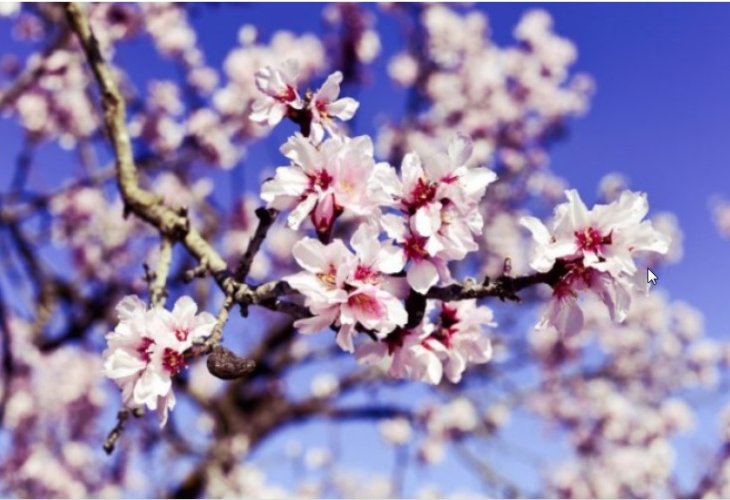 (Photo: shutterstock)
The Hebrew month of Shevat is a time associated with growth, wisdom, and inner renewal. Just as trees quietly begin drawing nourishment during this season, Jewish teachings view Shevat as a month especially suited for strengthening Torah study, prayer, and spiritual clarity. Throughout history, Shevat has been linked to teaching, healing, and preparation for future redemption.
Below are key teachings and traditions that reveal the unique spiritual character of this month.
Shevat in the Torah
According to the Torah’s counting of months, Shevat is the eleventh month, with Nissan counted as the first.
Shevat is mentioned explicitly in the Book of Deuteronomy:
“And it came to pass in the fortieth year, in the eleventh month, on the first day of the month… Moshe began explaining this Torah to the children of Israel.”
On the first of Shevat, in the final year of his life, Moshe began teaching the Book of Deuteronomy to the Jewish people. Because of this, Shevat is closely associated with success in Torah study and spiritual understanding.
Special Dates in the Month of Shevat
1st of Shevat
On this day, Moshe gathered the entire nation and lovingly reviewed the commandments. For thirty-six days, from the first of Shevat until the seventh of Adar, the day of his passing, Moshe devoted himself to teaching and blessing the people.
Hasidic masters note that these days are filled with added wisdom and insight, opening hearts to deeper understanding of Torah.
According to the House of Shammai, the New Year for Trees falls on the first of Shevat.
15th of Shevat – Tu BiShevat
Tu BiShevat is known as the New Year for Trees, a day connected to growth, fruitfulness, and renewal.
Shabbat Shira
Shevat includes Shabbat Shira, when the Torah portion Beshalach is read. This portion contains the Song at the Sea, sung by the Jewish people after crossing the Red Sea.
Great Leaders of Israel Who Passed Away in Shevat
The month of Shevat is marked by the passing of many towering Torah figures, including:
Rabbi Meshulam Zusha of Anipoli – 2nd Shevat
Rabbi Yitzhak Yehiel Yakubovich – 3rd Shevat
Ashar ben Yaakov – 4th Shevat
Rabbi Baba Sali – 4th Shevat
The Sfat Emet – 5th Shevat
Rabbi Nissim Moyal – 6th Shevat
Rabbi Shalom Shabzi – 9th Shevat
Rabbi Rafael Shmuelevitz – 9th Shevat
Rabbi Shalom Sharabi – 10th Shevat
Rabbi Yosef Yitzchak Schneersohn – 10th Shevat
Rabbi Yisrael Nach Weinberg – 11th Shevat
Rabbi Shalom Ben Zion Fleman – 12th Shevat
Rabbi Yitzhak Abuhatzeira – 14th Shevat
The Pnei Yehoshua – 14th Shevat
Rabbi Yinon Houri – 15th Shevat
Rabbi Shalom Mordechai Cohen Shabdran – 16th Shevat
Rabbi Chaim Palagi – 17th Shevat
The Tzaddik of Yibnael – 17th Shevat
Rabbi Ovadiah Hadaya – 20th Shevat
The Rebbe of Kock – 22nd Shevat
Rabbi Yehuda Zeev Segal – 22nd Shevat
Rabbi Yisrael of Salant – 25th Shevat
Rabbi Mordechai Pogromansky – 25th Shevat
The Taz – 26th Shevat
Rabbi Yaakov Edelstein – 27th Shevat
Rabbi Mordechai Schulman – 28th Shevat
Rabbi Mordechai Goldman – 28th Shevat
The Saba of Slobodka – 29th Shevat
Special Conduct for the Month of Shevat
Rabbi Chaim Palagi writes that during Shevat one should place extra emphasis on being a lover of peace, pursuing peace, and creating harmony between friends and within marriage. One should be especially careful to honor those who study Torah, maintain composure, avoid gossip, and guard one’s behavior more carefully than during other months of the year.
Unique Blessings of Shevat
Because Moshe explained the Torah on the first of Shevat, Hasidic sources teach that every year this date brings renewed clarity in Torah. The spiritual illumination of Moshe’s teachings reawakens annually, making Shevat a time of special success in learning.
A Meaningful Time to Pray for Children
According to the House of Shammai, the first of Shevat is the New Year for Trees. As such, it is considered a fitting time to pray for healthy fruit.
Spiritually, fruit also refers to one’s children. This day is seen as especially meaningful for praying that one’s children grow in Torah, good deeds, and upright character.
Key Moments in Prayer for Children’s Success
Jewish prayer includes several moments traditionally associated with praying for future generations.
In Birkat HaTorah, part of the morning blessings, we ask that the words of Torah be pleasant in our mouths and in the mouths of our children.
In the prayer Ahavah Rabbah before the Shema, we ask for wisdom, understanding, and love of Torah.
In Ve’Ba L’Tzion, we pray that our efforts not be in vain.
These prayers are recited with special intention for children and descendants to become righteous, wise, and upright. Even those who do not yet have children are encouraged to focus during these prayers.
A Month Associated with Healing
According to tradition, the plagues of Egypt began during Shevat. Each plague served as punishment for Egypt and healing for Israel.
Because of this, the righteous taught that Shevat carries a renewed spiritual influence of healing each year, making it a fitting time to pray for physical and emotional recovery.
A Month Connected to Redemption
The Bnei Yissachar explains that Shevat corresponds to the Hebrew letter tzadi, symbolizing righteousness.
He connects this to verses describing future redemption and teaches that Shevat carries a hidden potential for the elevation and redemption of Israel.
A Month Particularly Suited for Wisdom
Shevat is associated with the tribe of Asher, whose land was blessed with olive oil. The sages teach that olive oil represents wisdom.
The Bnei Yissachar explains that since Torah itself flows from divine wisdom, Shevat is a month especially suited for gaining insight, clarity, and understanding in Torah.
Closing Reflection
The month of Shevat reminds us that true growth often happens quietly and steadily. Through Torah study, prayer, and refined conduct, this month offers a powerful opportunity to deepen wisdom, strengthen relationships, and prepare the heart for renewal and redemption.

