

Yom Kippur
A Mother's Story of Faith, Resilience, and Sacrifice from Gush Katif to the Gaza Envelope
Tzurit Yarchi recounts life in Netzarim, years of terror and community courage, the pain of the Disengagement, and the haunting return of a lost family sign during the war in Gaza
- Moriah Luz
- | Updated
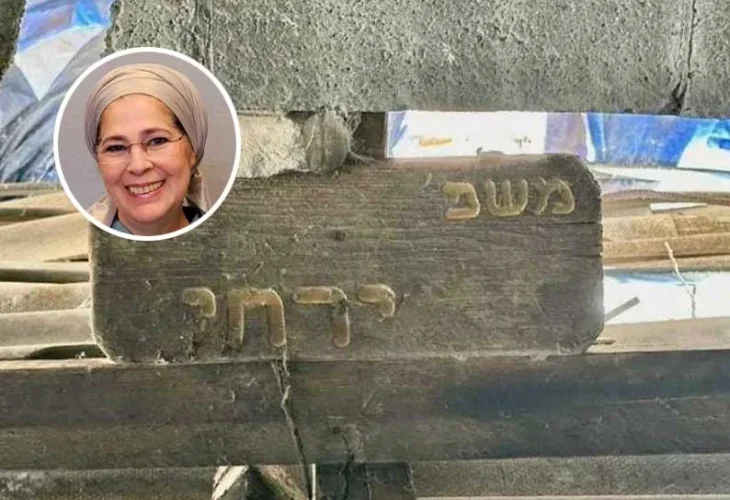 In the photo: The original nameplate of the Yarachi family's home in Netzarim. Inset: Tzurit Yarachi
When Tzurit and Assaf Yarchi moved to live in Netzarim, the Jewish community closest to the city of Gaza, they knew they were undertaking a pioneering Zionist mission — and that they had full backing behind them. At the time, Ariel Sharon was Minister of Housing, and he openly supported Jewish settlement in the Gaza Strip.
“When we arrived in Netzarim there were four families living there, as well as young men from youth-movement core groups and soldiers. At first, attempts were made to establish a religious kibbutz, but they didn’t succeed, and the families there kept changing frequently. That’s why we felt it was a special mission to come specifically to Netzarim — even though, from the outset, kibbutz life didn’t really suit us.
“A year after we arrived, the kibbutz model was abandoned and it was decided to turn Netzarim into a community settlement — and thank God, the small community grew and flourished.”
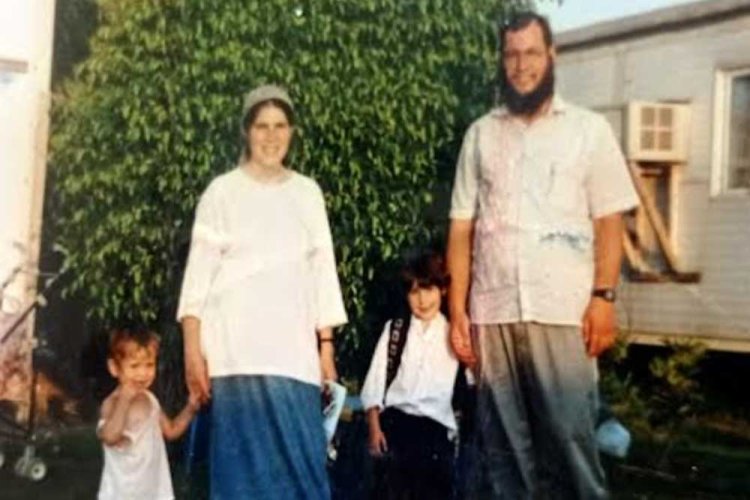 Tzurit and Asaf Yarachi with their children in Netzarim
“A Beautiful Settlement Surrounded by Dunes”
“Netzarim was a beautiful place, surrounded by sand dunes. From almost anywhere in the community you could see the sea — it literally sat on the coastline,” Tzurit recalls fondly.
“But along with all that beauty, we faced a very difficult reality — our neighbors were the residents of Gaza City.”
What did it mean to build a new community from scratch?
“We opened the first kindergarten with 12 children, and slowly expanded. We built our homes, our synagogue, and when the children grew older, we established a school as well. At the same time, we worked with great dedication to bring more families to live there. Thank God, the settlement developed beautifully — despite the very serious security threats that accompanied life in the area.”
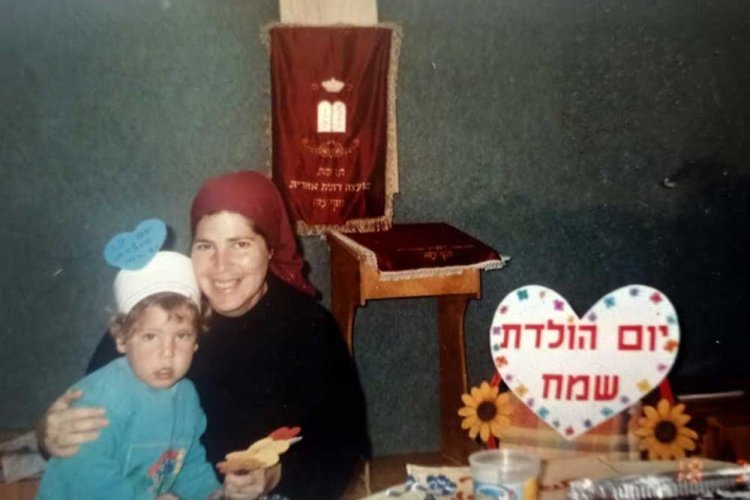 Tzurit and her son on his birthday in Netzarim
“From Stones to Live Fire”
“In the early years, the situation was better — we drove through the refugee camps surrounding Gaza City. But when Rabin came to power, everything changed dramatically.
“Under the Oslo Accords, the ‘Gaza and Jericho First’ plan was implemented, and the IDF withdrew from Gaza City and Jericho. From that moment, the army was supposed to focus only on protecting the Israeli communities — without controlling the rest of the Strip.”
Unlike most Gush Katif communities, which were clustered together, Netzarim stood alone in the northern Strip.
“The minute the army left Gaza City, we became a Jewish enclave surrounded by Arab villages. We could no longer drive to the other Gush Katif communities through Gaza — the only access road was the Netzarim Corridor, leading toward Kibbutz Nahal Oz.”
The hostile activity intensified.
“It started with stones, then Molotov cocktails — and eventually live gunfire. After several shooting attacks, the IDF decided that we could only enter and exit Netzarim under military escort. It increased our sense of safety, but made life extremely difficult — every errand required coordination and strict scheduling.”
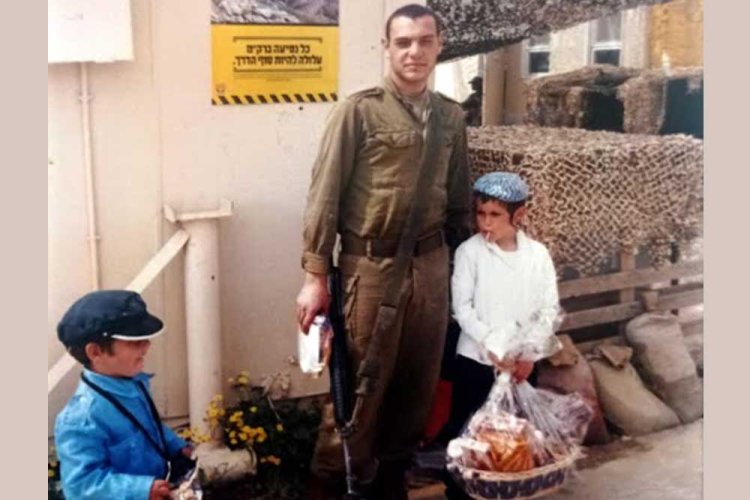 Purim gift baskets for soldiers in Netzarim
“Everyone for Everyone”
By God’s mercy — and thanks to strong military protection — many terror attempts failed.
“So the terrorists switched tactics,” Tzurit says. “Suddenly mortar shells began landing in the community. There was no Iron Dome back then and not even a siren — just a whistle, and then the explosion.”
Shortly beforehand, the residents had established a local emergency response team (Tzachi) — something that later became standard across Israeli communities.
“I was part of the team from day one. When the first mortar fell in Netzarim, I was hanging laundry outside. I heard a whistle — then a massive blast. While neighbors rushed their children into the house, I had to run toward the impact zone.”
They evacuated families, coordinated with security forces, updated residents, found temporary housing for those whose homes were damaged — and built a strong, caring community network.
“Everyone was there for everyone.”
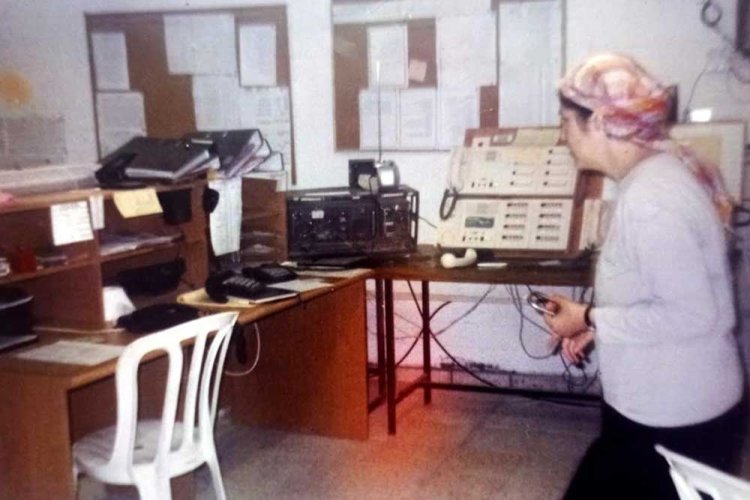 Inside the command center in Netzarim
What kept you there despite the danger?
“We knew that by living there, we served as a protective shield for the communities now known as the Gaza Envelope. The IDF presence existed there only because we lived there. We understood exactly what would happen to places like Sderot and Ashkelon if the army left Gaza.”
There was also deep historical and spiritual meaning.
“The Gaza region is part of Biblical Israel. Jews lived there throughout history. Rabbi Israel Najara — author of the Shabbat hymn ‘Yah Ribbon Olam’ — served as rabbi of Gaza 400 years ago and is buried there. There is even an ancient synagogue from Second Temple times in Gaza with mosaics depicting the Four Species and the inscription ‘David, King of Israel.’”
The Disengagement — “We Cried on the Floor”
When the Disengagement Plan was announced, the residents were shocked.
“We couldn’t believe it. For years we felt we were emissaries of the State of Israel — government ministries encouraged the settlement of Gush Katif. We saw it as a mission.”
They protested legally and extensively, with human chains, marches, and appeals to Knesset members — but as the evacuation date approached, they decided not to leave voluntarily.
On the eviction day: “My husband read kinot (lamentations). We sat on the floor and cried. Not just for our home — but for the terrible mistake we believed the State was making, and for the thriving region being destroyed. We cried for the people of the Gaza border towns — because we knew this would one day affect them.”
The families were moved temporarily to Ariel and told to find alternative housing within six weeks.
Together, most families chose to establish a new community: Bnei Netzarim, on the Egyptian border — starting again from nothing.
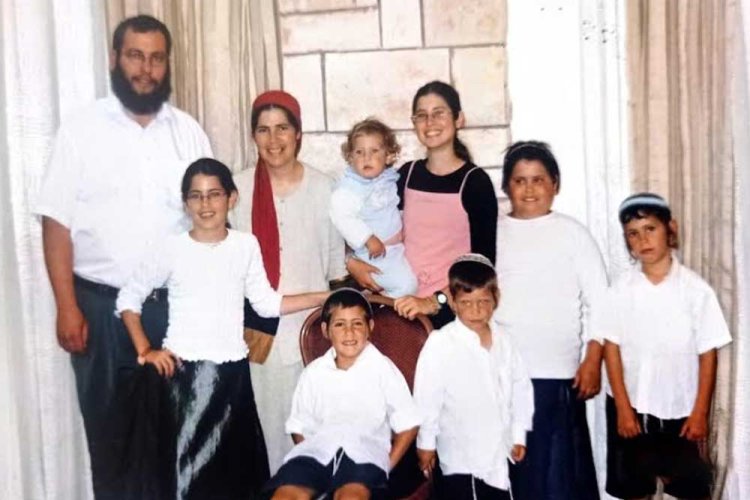 The Yarachi family in Netzarim
Teaching the Gaza Border Communities How to Survive
After relocating, Tzurit received an unexpected request — to lecture across the Gaza Envelope communities and train their local emergency response teams.
“At first they told me, ‘You’re mistaken — Kassams won’t fall here. This isn’t Gush Katif.’ I explained anyway — step by step, how to prepare for rocket fire and crisis response.”
Shortly afterward, the rockets began — and Operation Cast Lead followed.
Over the years, Tzurit continued serving in emergency command rooms. After October 7, during the war, many of her children and sons-in-law were mobilized — one was wounded in combat.
 Synagogue in Netzarim
Are you resentful of the Gaza Envelope communities, many of whom supported the Disengagement?
“Absolutely not. We came to settle the land out of faith and religious conviction — we have Torah, rabbis, a spiritual worldview. That provides strength.
“The kibbutz residents do not live from that framework — and yet their dedication, their willingness to shoulder the burden of this country — that deserves the highest respect. After everything they endured, they still want to return and rebuild. That is deeply moving to me.”
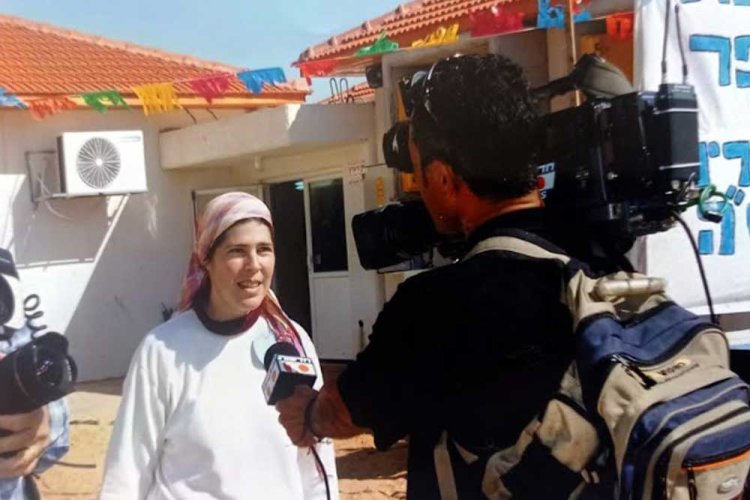 Interview before the expulsion
A Sign Returned After 20 Years
After the evacuation, each Netzarim family took their engraved wooden house sign. The Yarchi family mistakenly left theirs behind.
“Twenty years later, during the current war, a reservist from our community sent us a photo. His unit entered a terrorist’s house in Gaza — and hanging above the pergola was our family sign. They had kept it as a trophy.
The soldier returned the sign to their son — serving in reserves inside Gaza — and it finally made its way back to them.”
“We hope,” Tzurit says, “that one day, it will also return home — to Netzarim.”
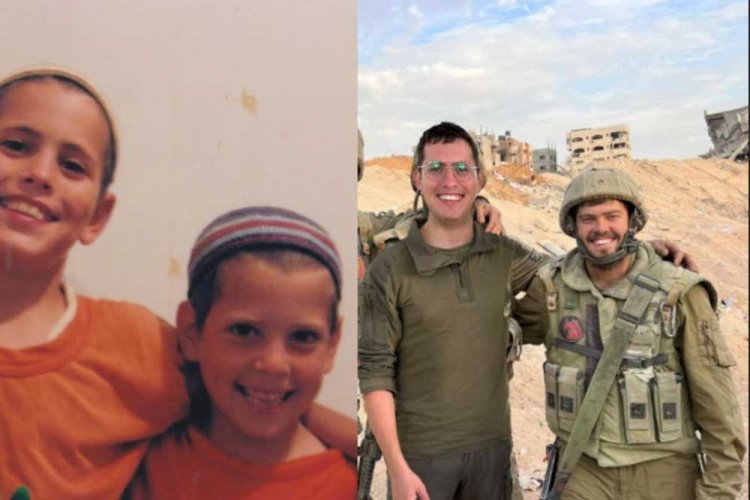 Tzurit Yarachi's sons, as children in Netzarim and as soldiers in Gaza
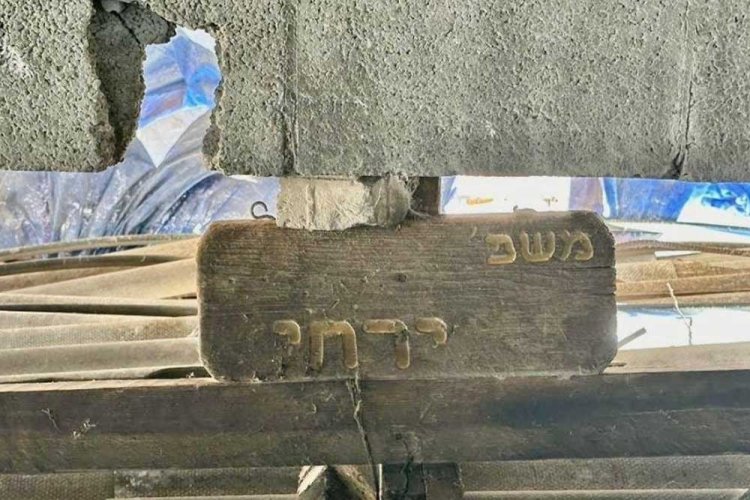 Yarachi family sign over an Arab home pergola on Gaza City's outskirts
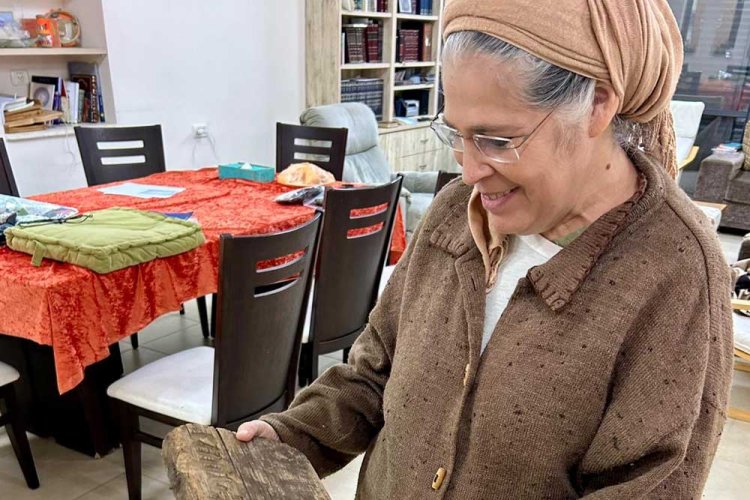 Tzurit with the family sign returned after 20 years
