

Yom Kippur
Inside Neturei Karta: A Community Apart
An in-depth exploration of Neturei Karta, tracing their historical roots, core beliefs, and the distinctive lifestyle that sets them apart within the Haredi community.
- Michal Arieli
- | Updated
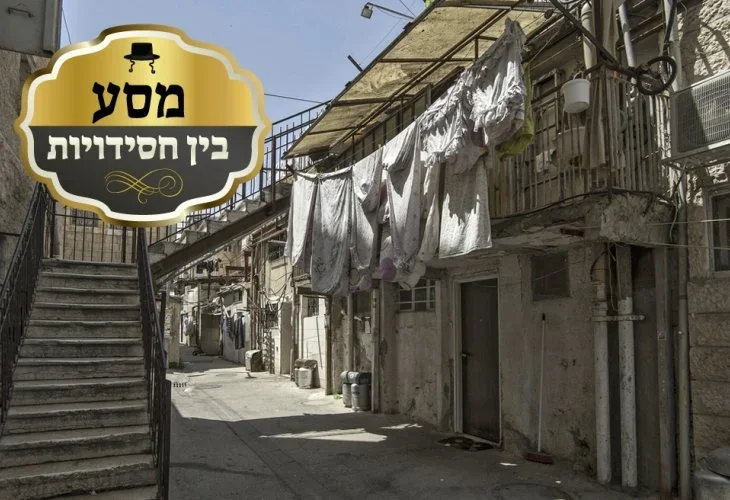 The streets of Mea Shearim (Photo illustration: Shutterstock)
Who Are Neturei Karta?
Neturei Karta is not a single organized movement but a small ideological current made up of individuals and groups within the Haredi world. Its defining belief is a firm rejection of Zionism and opposition to the State of Israel. While Neturei Karta emerges from within Haredi Judaism, it represents an extreme and marginal position even within that community.
The roots of Neturei Karta go back to the early twentieth century. In 1919, as Zionist institutions in the Land of Israel began to take shape, the Chief Rabbinate was established under Rabbi Avraham Yitzchak HaKohen Kook. Around the same time, Agudat Israel was founded as a non Zionist Haredi political body. Shortly afterward, a distinct Haredi community in Jerusalem emerged under the leadership of Rabbi Yosef Chaim Sonnenfeld. This community was recognized by the British Mandate as an independent entity allowed to manage its own internal affairs.
At that time, nearly all Ashkenazi Haredim in the Land of Israel were part of this community. Many initially aligned with Agudat Israel. However, during the late 1920s and 1930s, Agudat Israel absorbed European influences that were seen by some as too moderate. This led to internal tensions and the eventual split between moderates and zealots.
The most extreme group among the zealots became Neturei Karta.
The Formation of Neturei Karta
The extremist faction was led by Rabbi Amram Blau, his brother Rabbi Moshe Blau of Agudat Israel, Yehuda Wispish, and Rabbi Aaron Katzenelbogen. In 1935, they formed a group originally called “HaChaim,” meaning “Life.” When they informed Rabbi Yosef Tzvi Dushinsky of this name, he responded sharply, saying that it implied others were lifeless. Following this remark, the group renamed itself Neturei Karta, meaning “Guardians of the City,” emphasizing defense rather than confrontation.
Although always small in number, Neturei Karta became symbolically prominent due to its uncompromising ideology.
How Did Neturei Karta Gain Control of the Community?
In 1945, elections were held within the Jerusalem Haredi community to determine leadership between Agudat Israel and Neturei Karta. Voting was restricted to registered community members who paid dues, though waivers were available for Torah scholars or those unable to pay.
Most Agudat Israel supporters did not register or seek waivers, assuming the outcome was secure. Neturei Karta, however, quietly registered supporters throughout the year. Shortly before polls closed, large numbers of their young members arrived to vote. As a result, Neturei Karta won decisively.
Following this outcome, Agudat Israel withdrew from the community framework. This allowed Agudat Israel leaders to work openly with Zionist institutions, while Neturei Karta reinforced the Haredi community’s separatist stance.
Rabbi Amram Blau, the Face of the Movement
Rabbi Amram Blau became the symbol of Neturei Karta’s zeal. After the establishment of the State of Israel, he led protests against public Shabbat desecration, including sports events, buses, and cinemas in Jerusalem.
He never held an Israeli identity card, viewing it as recognition of the state. Even his death certificate lacked an ID number. He avoided using Israeli currency whenever possible, preferring foreign money. During times of rationing, he issued vouchers instead of cash to avoid handling state currency.
An often told story describes how he attempted to import potatoes during a Shmita year. Although approval was granted, he could not receive it due to the lack of an ID card. A government official eventually placed the order under his own name to help him.
Rabbi Amram’s commitment to his principles extended to personal hardship. He was arrested during demonstrations before the weddings of two of his sons. When offered temporary release in exchange for signing a state document bearing Israel’s emblem, he refused.
How Large Is Neturei Karta Today?
Rabbi Aaron Katzenelbogen once joked that their numbers depend on the issue being protested. In reality, Neturei Karta represents a tiny fraction of the Haredi population, well under one tenth of one percent.
Most members live in Mea Shearim, with smaller groups in Beit Shemesh and abroad. There are three main Neturei Karta synagogues, each associated with slightly different approaches. One faction avoids demonstrations entirely, while another is more active and confrontational.
Despite differences, all Neturei Karta groups criticize the broader Haredi world for cooperating with Zionist institutions.
How Do They Function Without State Funding?
Neturei Karta operates its own educational institutions, including Talmud Torahs, yeshivas, girls’ schools, and kollels. They refuse all government funding, relying instead on donations, primarily from supporters abroad in cities such as Antwerp, London, and New York.
Some funding comes through organizations supported by Satmar, which assists educational institutions that reject state aid.
Are They Violent?
Neturei Karta is often associated with images of stone throwing and burning trash bins. Members deny this characterization, arguing that violence contradicts their ideology. Rabbi Amram Blau was arrested many times for protests, but rarely on charges of violence, and he was acquitted when such claims arose.
Today, Neturei Karta leaders assert that many violent demonstrators are not affiliated with them and that most members are working people with little time for protests.
Daily Life and Social Services
Neturei Karta ideology extends into daily life. Many refuse Israeli citizenship, social security benefits, and government assistance. Some avoid bank accounts and public transportation.
While earlier generations were stricter, later generations are more flexible. Many now belong to health insurance funds, arguing that payment constitutes service, not benefit. Still, hundreds of families remain uninsured, relying on private doctors and home births to avoid state involvement.
Why Do They Remain So Small?
Neturei Karta does not actively recruit and often discourages new members. Leaders argue that not everyone is suited for their lifestyle. Many children eventually leave the movement, and those who remain usually marry within the group.
Claims of growth are difficult to verify, as the group does not appear in official records.
How Do They Earn a Living?
Unlike some Haredi groups, lifelong Torah study is not the norm. Many members work as scribes, ritual slaughterers, kosher supervisors, or small business owners. Others travel abroad to raise funds.
They emphasize that refusing state benefits does not mean avoiding taxes. Members pay taxes willingly, drawing a distinction between contributing and receiving.
Meetings With Controversial Figures
Neturei Karta’s meetings with hostile foreign leaders have drawn intense criticism. Historically, Rabbi Yosef Chaim Sonnenfeld rejected cooperation with Arab leaders despite shared opposition to Zionism. In later decades, some Neturei Karta members pursued contacts with Arab authorities, claiming humanitarian motives.
More recently, representatives attended Holocaust denial conferences and met figures such as Ahmadinejad. These actions were widely condemned, including by the Satmar Rebbe, who opposed Zionism but rejected such alliances as extreme.
The Neturei Karta Paradox
A well known story recounts the Brisker Rav observing a protester shouting against the state and calling him a Zionist. When the man protested, the Rav explained that constant public opposition gives the state significance.
The paradox of Neturei Karta is that by constantly protesting the state, they may reinforce its presence more than those who simply ignore it. Whether through rejection or engagement, the state remains central to their identity, making them, in an ironic sense, inseparable from what they oppose.

