

Magazine
Turning Leftovers Into Lifelines: Shifra Chava's Vision
For decades, Shifra Chava has been rescuing food from being tossed into the trash, redirecting uneaten meals from events and restaurants to those who need them the most.
- Michal Arieli
- | Updated

Imagine this: at the end of a joyous event, like a wedding or Bar Mitzvah, instead of scraping the untouched food off the tables into the garbage, servers carefully pack it up. These untouched dishes, brimming with rich flavors, then find their way to the homes of those who desperately need them.
As sensible as it sounds, the truth we often see is that the remaining food from celebrations is simply thrown away.
Enter Shifra Chava, a spirited woman from Jerusalem who refused to accept this wasteful trend. Driven by personal initiative and boundless energy, she has become a familiar name among venue owners as she tirelessly works to persuade more places to donate their leftover meals to families in need.
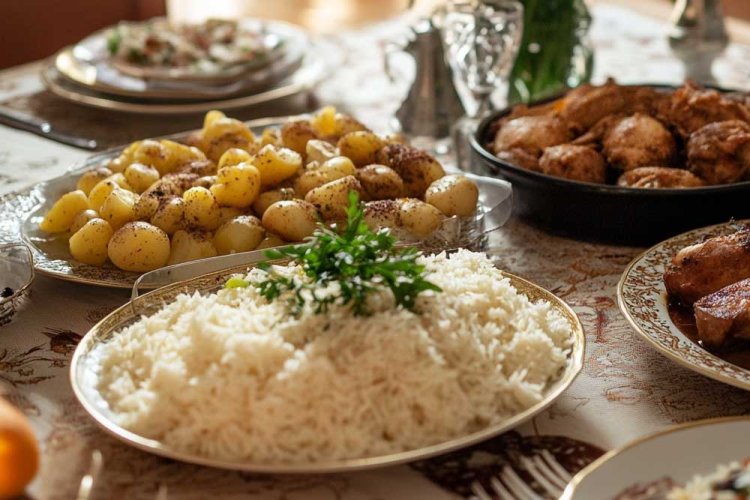
A Little Extra Effort
"This journey began about 40 years ago when an older woman speaking Yiddish, a Holocaust survivor living alone in my neighborhood, was simply going hungry," Shifra recounts. "A charity occasionally brought her packed meals, but without teeth, she couldn't eat them, so they'd end up in the trash. Once I learned her story, I started bringing her soft foods she could easily digest and reported her situation to social services. Eventually, they ensured she moved to a care home, where I hoped all her needs were met."
"A few years later, I found myself attending an event at a high-end venue in Jerusalem. There were lavish dishes – exquisite salads, meats, fish, and sides, all fresh and delicious, yet only a few guests at my table really touched them. As dinner ended, I watched a server dump all that food into a bin.
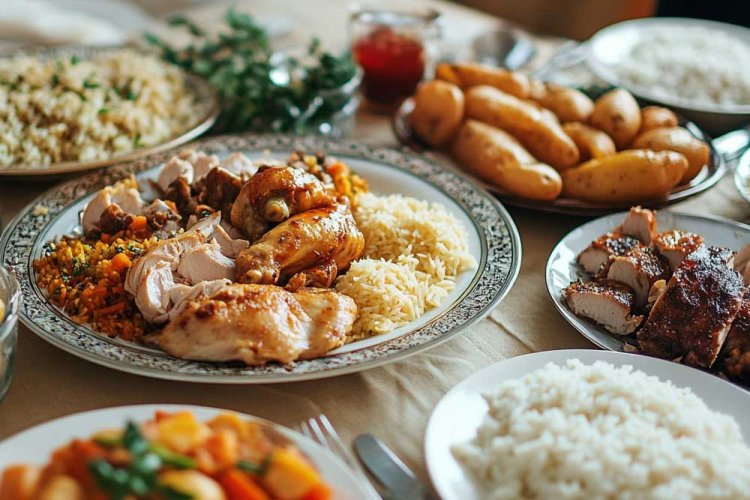 Most of the food remained untouched in the central bowls
"Unable to sleep that night, I wrestled with thoughts of the stark contrast between that lavish table and families I knew who couldn’t even afford a tomato. The next day, I contacted the venue owner, shared my feelings, and he agreed to pass on some meals, which I then distributed to grateful families in the neighborhood."
"That instance sparked more action, but approaching more venues proved tough. Many owners feared health officials, worried about serving food without proper refrigeration or the risk of complaints even though there’s a 'Law to Encourage Food Donations' that’s been in place for over a decade, recently mandating charities to donate. Yet, fear persists."
"Some venue managers worried waitstaff had no time to spare. But what's the difference between throwing leftovers in a bin versus putting them in a box? It takes maybe two minutes more per table, a small effort compared to the huge gift of both economic and emotional support the food brings. When a family receives food, it's not just about saving money or time on meal prep; it lifts their spirits."
 Many venue owners refuse due to health department concerns
Always Gratefully Received
Shifra chose not just to lament but to act. She teamed up with her daughter, Batya, and started the 'Circles' organization. They initially reached out to those hosting celebrations, aiming to get them involved. Posting announcements in several newspapers, they got responses from both party hosts and people eager for meals. Sadly, there was a huge mismatch between available food and demand, highlighting the desperate need for nutritious meals.
"Next, we visited multiple venues in our area, posting notices with the owners’ approval: 'Hosting an event? Have leftover food? Instead of tossing it, contact us and we’ll pick it up shortly.' We even enlisted locals near each venue to quickly gather the food, sparing hosts any hassle. This is no ordinary meal but a 'feast for the needy' – a massive blessing for all involved."
"The feedback is heartwarming. Donors feel joy knowing the surplus brings such happiness, especially when they themselves couldn’t use all the salads or sides. These foods aren't just easily storable for their own later use, and donating them instead grants merit for the newborn or the newlyweds, or the Bar Mitzvah boy, etc.”
This must be challenging work.
"Logistically, it truly is," Shifra admits. "Getting the food out and delivering it to the right families requires a lot of organization. Kosher standards need matching; not everyone follows the same guidelines. Some families prefer discreet help, asking for meals to be left by the door or at a meeting spot. One mom, raising thirteen kids, shared that if her children knew the meal was donated, they wouldn’t eat it, so she’d quickly transfer it into pots and get it cooking before they came home, making it seem like she'd cooked it herself. For them, we learned to deliver food early in the day."
How can you assure families they'll receive food if you don't know if events will donate any today?
Shifra pauses, illustrating a hard reality I hadn't grasped. "These families don’t have other choices. If we bring food, they eat; if not, there’s nothing. It's not a case of mom opting to cook if we fail. When events occur in the evening, food often arrives late that night or the early morning after. Morning events lead to lunchtime delivery. But trust me, the timing never matters; the food is always received with gratitude."
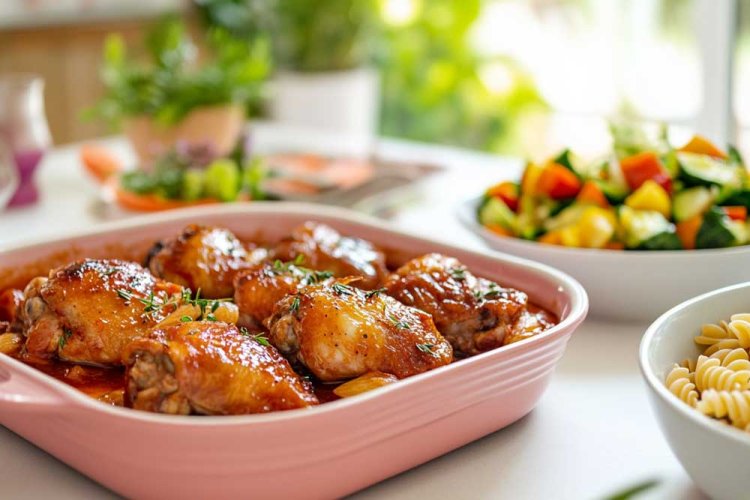 It's about families with nothing; if we don't deliver food, there won't be any
Charity Saves Lives
Who are the families receiving this food?
“Families facing serious financial hardship, truly unable to afford meals or prepare hot, nourishing food. Others are going through a difficult period that disrupts regular meals. One mother of four young children works full time while her husband studies in yeshiva. Frequent hospital stays with her child leave her without the strength to cook each day.
“I once told her, ‘Today I can only bring potatoes and rice, there’s no main dish.’ She replied, ‘That’s exactly what we need.’ Later, she called me, deeply moved, and said, ‘You didn’t just bring food. You brought strength, better parenting, peace in our home, renewal, and joy. It felt like life itself.’”
"Another woman called, her kids’ laughter in the background, quoting happily, ‘The humble shall eat and be satisfied.’ Some families aren’t in standard poverty, but a new mom with sick little ones at home can barely think about cooking.
"Some foods, like fresh salads, go to kollels instead, delighting Torah scholars. The appreciation from recipients and donors is mutual, echoing the principle that charity saves from death. In challenging times, who wouldn’t want to protect their family?
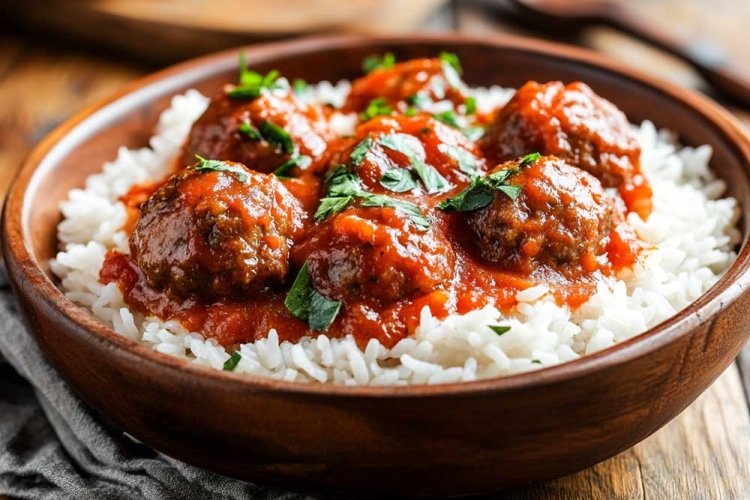

Learning to Ask
Expanding from venue owners, Shifra and Batya began approaching pizzerias and bakeries, some of which eagerly joined this significant cause, donating leftovers to help prevent waste.
"We’ve had restaurants donate food, daycare centers pass on unused portions, and while tough to hear, some families use daycare leftovers for Shabbat meals.
"Our main focus is approaching hotels," Shifra stresses, "especially during peak occupancy seasons, watching them toss vast amounts of food is heartbreaking. Hotels present a challenge, managed by layers of authority, so kitchen talks don’t suffice. The request must start from the bottom; I urge vacationers to inquire and raise this issue during hotel stays.
"We also reach out to catering firms providing for multiple venues, like mines of undiscovered potential, capable of grand kindness through willing effort.
"Luxury venues offer even greater donation impacts, as their leftovers aren't just sides and salads but nourishing dishes like salmon, beef, and gourmet poultry. Often, dozens of premium meals remain, and picturing them reaching families who haven't tasted meat all week underscores the importance of this mission.
 When it comes to luxury venues, the impact of donations is greater
"Our vision is ambitious but straightforward," concludes Shifra, "raising awareness so venues, restaurants, hotels, catering companies, and all service providers understand the simple act of packaging food for those in need. Meanwhile, service providers should recognize the goldmine they possess, enabling compassionate deeds with goodwill and minimal effort. The more these calls for action resonate, the more tangible change we will witness."

