

Magazine
A Judge’s Mission: Standing With Wounded Soldiers
After decades on the bench, Judge Drora Beit Or chose to continue serving in a different way. This article follows her decision to volunteer her legal expertise to help wounded soldiers secure recognition, rights, and dignity.
- Michal Arieli
- | Updated
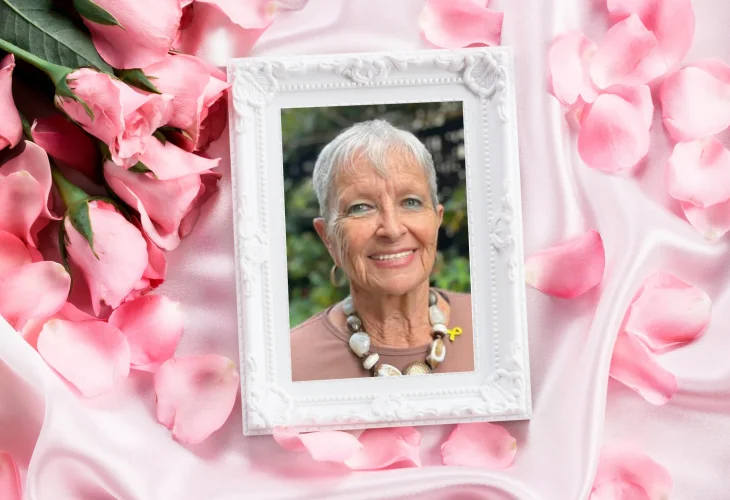 Retired Judge Drora Beit Or
For many years, I encountered the toughest cases of soldiers injured in wars whose lives took a 180-degree turn. I always wanted to help and did so to the best of my ability. Now, in retirement, I've chosen to do it voluntarily.
Judge Drora Beit Or speaks as if it's obvious that a retired judge would stand with wounded soldiers and assist them, for no reward, in securing the compensation they deserve from the Ministry of Defense.
Standing By the Wounded
I served as a judge at the Be'er Sheva Magistrate's Court for over twenty years, clarifies Drora, who mainly worked in criminal cases and eventually led a pioneering community court initiative aimed at rehabilitating offenders. After her tenure, she continued working in the legal field as a retired judge, chairing significant committees, including the Appeals Committee for IDF Disabled Veterans.
Why do disabled veterans need an Appeals Committee?
Years ago, Israel recognized that as a nation with frequent conflicts, the law must support soldiers injured, wounded, or sickened during their service, granting them protective coverage including stipends and rehabilitation, explains Drora. However, soldiers seeking recognition must prove their injuries or illnesses are combat-related, where the Appeals Committees play a crucial role.
For the last ten years of my career, I sat on these Appeals Committees, each comprising a judge, a doctor, and a social worker or psychologist. We evaluate if the soldier's claimed disability resulted during or due to military service. While the timing of the injury is often clear, the causal link to service can be contentious, creating hurdles in securing recognition.
Take, for example, a forty-year-old who served as a military cook. He slipped on water and injured his back while off-duty, leading the Ministry of Defense to deny recognition of the incident as service-related. He fought back in court, presenting his case with evidences from a supportive doctor, despite the Ministry's stance that his injury wasn't related to his duties.
As committee members, we examined evidence and scrutinized medical records to weigh the intricacies. This is just one example among countless cases we've seen. Sitting on these committees gave me invaluable experience and insights, inspiring me, upon retirement during wartime, to help injured soldiers in my spare time.
Meeting Their Pain
Drora put her thoughts into action by publishing a post inviting wounded veterans to reach out for support, including help with medical paperwork and preparation for medical board sessions. Responses poured in, not only from recent wars but also from veterans of the Six-Day War and Yom Kippur War, and even from those affected by the Kishon River affair.
Naturally, many current conflict veterans reach out as well. For most, linkage between their injury and military service is clear, but navigating the paperwork can be daunting. They feel more at ease with professional guidance. While they grapple with disabilities and life changes, I offer the energy and legal expertise they need to manage these processes smoothly.
Are they typically aware of their rights, or do you introduce them to these for the first time?
Most are informed during their hospital stays by social workers, but some are unaware until they approach committee hearings. My role clarifies the importance of these proceedings for them.
What success rate do you have with the cases you handle?
It's hard to track, as I typically guide them at the start and invite them to return if issues arise, but most don't come back.
Personally, how do you handle dealing with such heartbreaking cases closely?
The difficulty is immense, admits Drora, whose family includes six grandchildren, four of whom served in Gaza. The emotional toll is heavy, especially with severe, permanent disabilities or psychological injuries, which also qualify for recognition. Despite the challenges, aiding them and providing calming support in dire situations is incredibly rewarding. It feels like bringing balance through doing good.
"Cold, Not Cruel"
Some might argue, rightly, that the Ministry of Defense makes bureaucratic hurdles too taxing, hindering basic rights for injured soldiers.
Bureaucracy is cold, not cruel, clarifies Drora. The Rehabilitation Division does admirable work but manages huge case loads; since the war's outbreak, they've dealt with around 15,000 new injured soldiers, an overwhelming number.
I emphasize that the 'Rehabilitation Division' is invaluable, possesses substantial funding, and affords soldiers vital belonging, assuring them they have a point of contact and access to their due rights. While public perception may complain about stringent criteria, in reality, it's about managing state resources. This demanding part of the system is not meant to block access but to ensure financial prudence.
Is it true that most of those who deserve recognition receive it?
Regrettably, not all qualified cases gain recognition, but most do, she states. Astonishingly, even facing adversity, many rebuild and enjoy fulfilling lives alongside their disabilities, embodying strength and resilience. This inspires me immensely and highlights the strength of the Israeli people.

