

World News
Iranian Leadership in ‘Survival Mode’ as Trump Warns of Force
Senior Iranian officials privately acknowledge deepening crisis as unrest spreads nationwide, economic pressure mounts, and US and Israeli warnings intensify pressure on Tehran
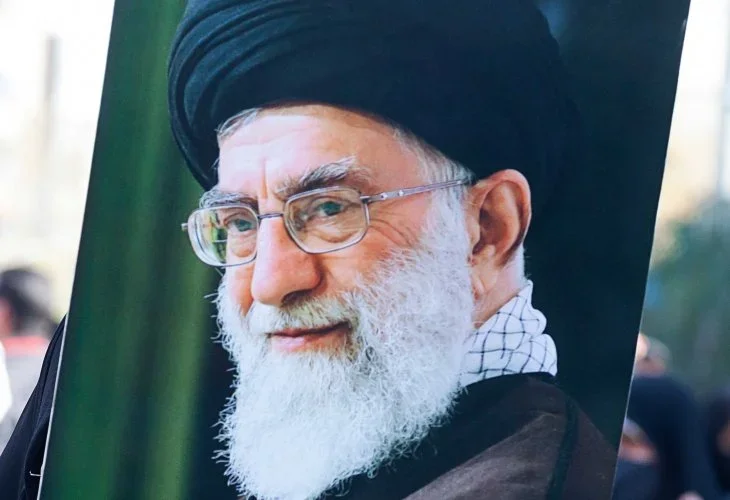 Khamenei (Shutterstock)
Iran’s leadership has been thrust into what senior officials privately describe as “survival mode,” as nationwide protests intensify and external pressure from the United States and Israel sharpens, according to Iranian officials cited by The New York Times.
The report said Iran’s Supreme National Security Council convened a late-night emergency meeting on Friday, shortly after U.S. President Donald Trump warned that the United States would “hit very hard” if Iranian security forces killed demonstrators. Three Iranian officials said the meeting focused on containing the protests with less violence, while also preparing for the possibility of military escalation.
The discussions reflect growing concern inside Tehran that the Islamic Republic has few viable options left. As the economy continues to deteriorate, public anger has intensified, and officials are increasingly worried about how long security forces can withstand the pressure, and whether they will remain loyal. Several officials acknowledged that an overly aggressive crackdown could backfire, further inflaming public outrage and accelerating instability.
The report also said President Masoud Pezeshkian has repeatedly underscored the severity of Iran’s economic crisis in public remarks, at times conceding that he has “no ideas” for resolving the country’s mounting challenges. According to Iranian officials, Pezeshkian convened two emergency meetings last week with his economic advisory committee, requesting guidance and prepared talking points if the crisis deepens.
Some advisers urged the president to emphasize Iran’s dual-power system, pointing out that real decision-making authority does not rest with the elected government but with Supreme Leader Ali Khamenei. Officials said this reality limits the president’s ability to respond to public demands or advance major economic reforms.
Iranian officials are also grappling with reports that Khamenei has contingency plans should the unrest spiral further. According to a report published Sunday by the British newspaper The Times, the supreme leader has a so-called “Plan B” that would involve fleeing to Russia if nationwide protests significantly weaken the regime’s grip on power. The report said the plan would include Khamenei, members of his family, and close aides, and would also address the transfer of his extensive financial assets, citing intelligence sources. Former Israeli intelligence official Beni Sabti was quoted as saying Russia would be the likely destination because “there is no other place for him.”
Economic deterioration remains the central driver of the unrest. Inflation has surged, the national currency has sharply depreciated, and purchasing power has eroded across the country. Iranian commentator Ali Gholhaki told The New York Times that prolonged economic strain threatens the regime’s foundations. “When the anti-riot police, security forces, and the military are struggling for their livelihood, the defense lines collapse,” he said.
Pressure from abroad has added to Tehran’s concerns. Trump’s warning followed a series of statements signaling that Washington is prepared to respond if Iranian security forces use lethal force against protesters. On Sunday, Prime Minister Benjamin Netanyahu said at the opening of Israel’s cabinet meeting that Israel identifies “with the struggle of the Iranian people and with their aspirations for freedom, liberty and justice,” adding that it was possible Iran had reached a moment in which its people were “taking their fate into their own hands.”
At least 16 people have been reported killed since the protests began, according to official and rights-group tallies cited by international media.

