

World News
Protests Spread Across Iran Overnight as Death Toll Rises
Demonstrations enter second week with internet shutdowns, rising casualty reports, and heightened military activity
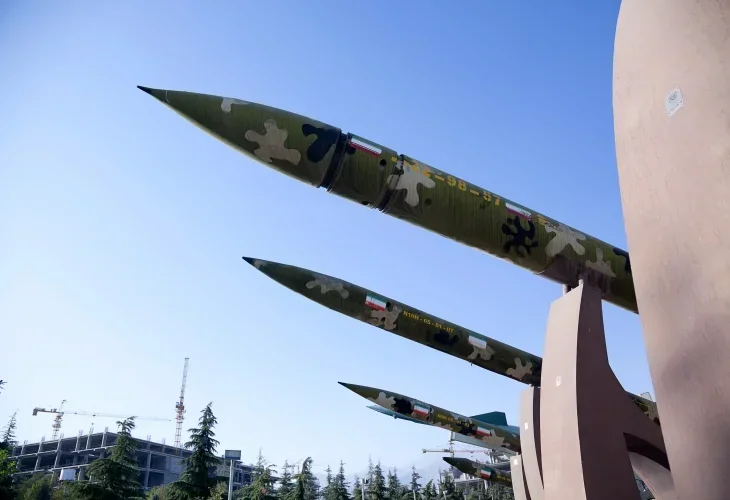 Iranian missiles (Shutterstock)
Protests continued across Tehran and dozens of other Iranian cities on Sunday as demonstrations entered their second week, with security forces deploying heavily around major commercial areas and residential neighborhoods. Police and plainclothes agents were seen in large numbers near central shopping districts, where many businesses remained closed, according to videos and eyewitness accounts. Overnight demonstrations were also reported in major neighborhoods and in provincial cities across western and southern Iran.
The unrest began on December 28 following a sharp currency collapse and surging prices, but has since grown into the most significant wave of protests Iran has faced since the 2022–2023 demonstrations sparked by the death of Mahsa Amini. While initially driven by economic hardship, protesters in several locations have increasingly chanted slogans openly directed against the regime’s leadership.
Casualty figures remain disputed. Some reports cite at least 16 people killed during clashes between protesters and security forces, while other rights groups have reported as many as 19 deaths. Iranian authorities have acknowledged fatalities among both demonstrators and members of the security forces. International media and human rights organizations have reported the use of live fire, tear gas, and widespread arrests, particularly targeting individuals accused of organizing or encouraging protests.
As the unrest intensified, authorities imposed internet restrictions across multiple regions. Residents in Tehran, Kermanshah, Shiraz, Mashhad, and several western provinces reported severe disruptions, with some saying it took hours to send even basic messages. The restrictions appeared focused on areas experiencing the most sustained demonstrations.
At the same time, Iran’s Islamic Revolutionary Guard Corps carried out military exercises involving missile launches and air-defense systems in several locations, including Tehran and Shiraz, according to Iranian state media. Videos circulating online showed anti-aircraft fire over parts of the capital, though the IRGC has not issued an official statement detailing the scope or purpose of the drills.
While Iranian authorities routinely describe such exercises as defensive and pre-planned, their timing despite nationwide unrest and heightened regional tensions drew particular attention. Israeli and Western media noted the coincidence, while cautioning that claims the drills signaled imminent military action could not be independently verified.
Opposition figures outside Iran moved to amplify international attention. Reza Pahlavi, the exiled son of Iran’s last shah and a prominent opposition figure, issued statements honoring protesters killed during the unrest and vowing accountability for those responsible. “I honor and keep alive the memory and names of our compatriots who were killed in Iran’s national uprising,” he wrote, pledging to stand “shoulder to shoulder” with victims’ families.
Other opposition groups, including Kurdish political movements, also condemned what they described as excessive force by Iran’s security apparatus and urged protesters to continue demonstrating.

