

World News
Dancing with the Torah: Honoring a Young Life Lost
In the wake of devastating loss, Yehuda Lentzkeron has found healing and purpose through the creation of Torah scrolls in memory of the fallen. The tragic story of his brother's death and a prophetic dream have inspired a profound mission.
- Michal Arieli
- | Updated
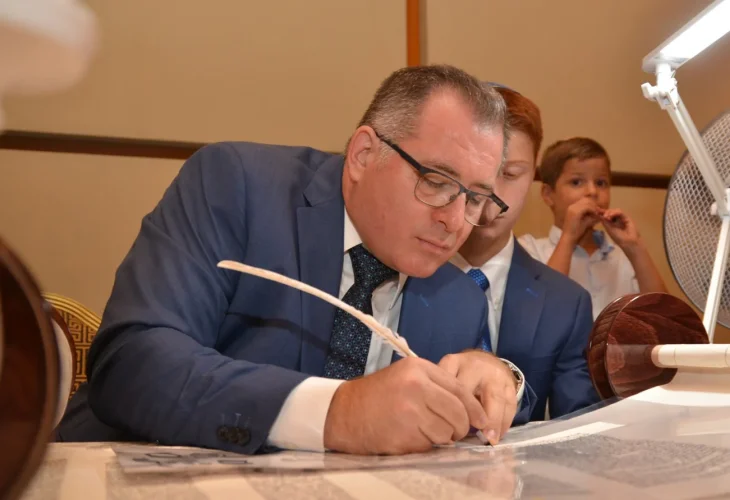 Yehuda Lentzkeron
“I was thrust into the world of grief 24 years ago,” recounts Yehuda Lentzkeron. His brother, Naftali, was only 13 when he was killed in a terror attack, just two months after his Bar Mitzvah. “Naftali was the youngest of ten siblings, and I, the eldest, am 18 years older,” Lentzkeron explains. “He was on his way to yeshiva in Kedumim with his friend Eliran when a suicide bomber approached them at a gas station in the Shomron, killing them both.”
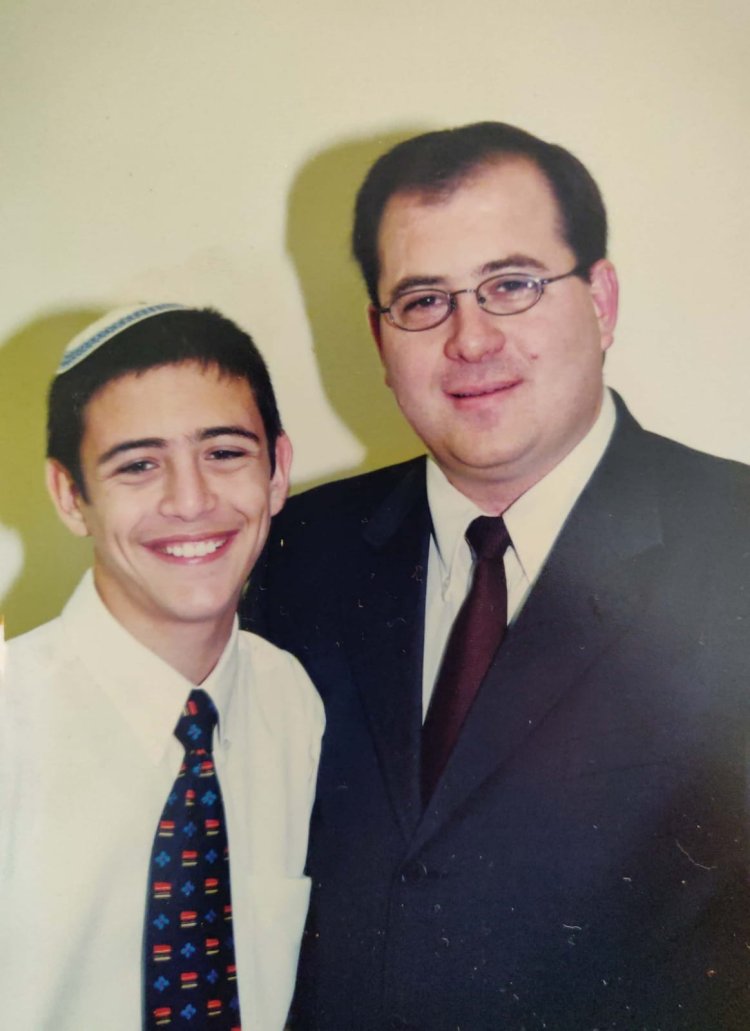 Yehuda Lentzkeron and his brother Naftali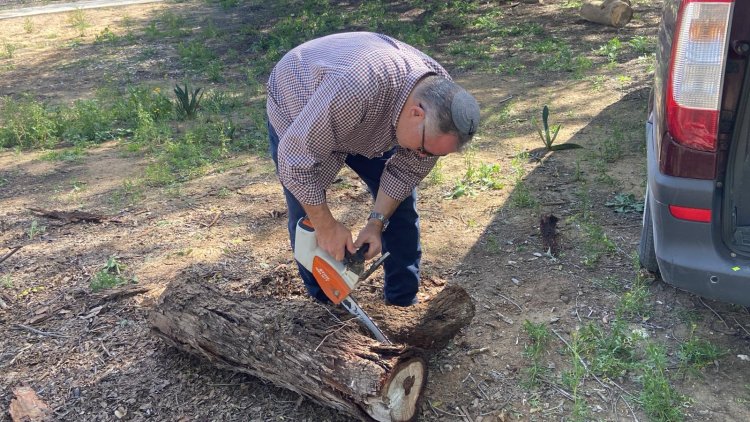
Comfort in Commemoration
How does one continue after such a tragedy? For Lentzkeron, the answer lay in memory.
“It became my way of coping,” he says. “After the attack, I devoted myself to commemorating Naftali in every way possible: three Torah scrolls, two synagogues, a yeshiva study hall, and more. In truth, it was extreme.”
Two years later, his brother appeared to him in a dream. “He said, ‘Yehuda, you’ve done enough for me. Now many other families need your help.’ It felt like a message from Naftali himself.” From that moment on, Lentzkeron began assisting other bereaved families in honoring their loved ones, fulfilling requests ranging from holy ark cabinets to memorial films. He never accepted payment, driven solely by a desire to help.
When Simchat Torah of 2023 arrived and the scale of loss became clear, Lentzkeron understood that the need had multiplied overnight. “About two thousand families suddenly joined the circle of bereavement. I realized I needed to prepare to support hundreds, not just a few.”
This led to the founding of the Memorializing nonprofit, dedicated to helping families create meaningful memorials. “At first, I wanted to assist with any form of remembrance, but I quickly discovered that contributing a Torah scroll was the most comforting option for families.”
“I’ll never forget a conversation with Brigadier General Dedi Shamchi, who lost his son on Simchat Torah,” Lentzkeron shares. “After donating a Torah in his son’s memory, he told me, ‘We were five: my wife and I and our three sons. After bringing in the Torah scroll, it felt as if, in some way, my son was back with us.’”
A Torah for Every Family
Torah scrolls are deeply meaningful, but also costly. How can families afford them?
“Every family that lost a son in this war deserves to introduce a Torah scroll in his honor,” Lentzkeron says. “At first, I hoped we could fund new scrolls, but the cost, nearly $200,000 each, made that unrealistic.”
Instead, he shifted his approach, focusing on restoring unfit Torah scrolls at a fraction of the cost, around $35,000. “Many synagogues have Torah scrolls that sit unused because they became unfit. By refurbishing them, we can give families a meaningful memorial without the prohibitive expense.”
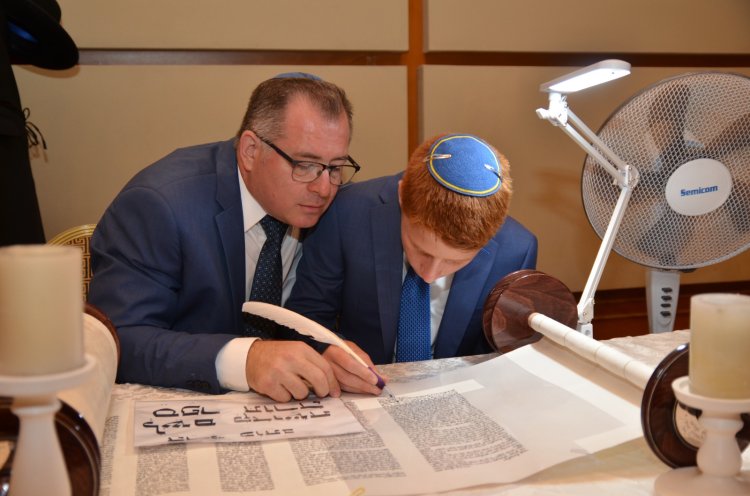
Within a short time, Lentzkeron gathered 170 unfit scrolls. He also created new etz chaim wooden rollers using wood from trees destroyed during the conflict, adding another layer of meaning by transforming destruction into renewal.
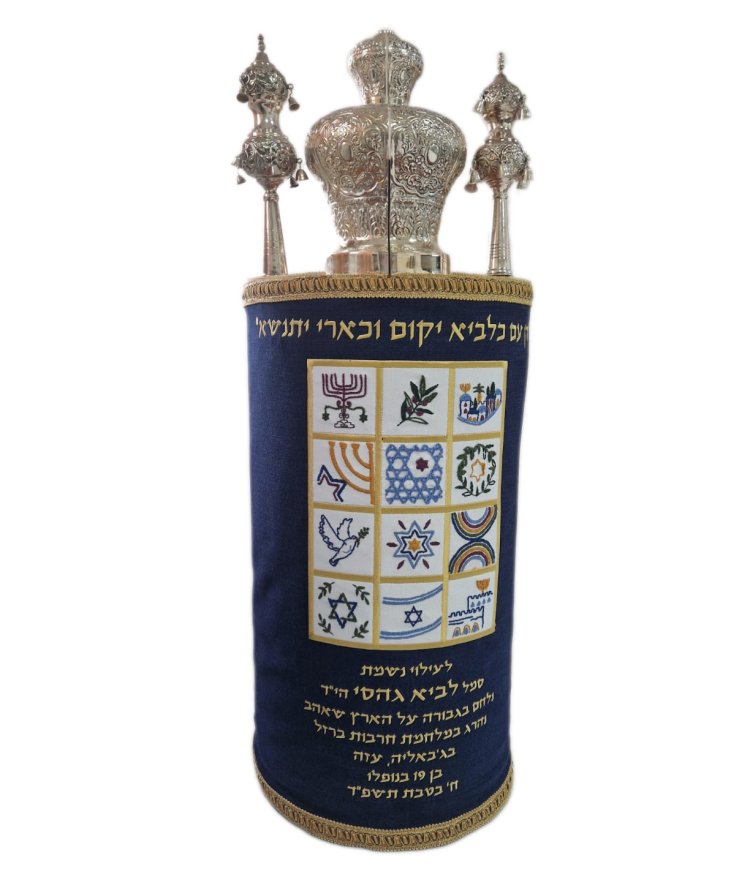
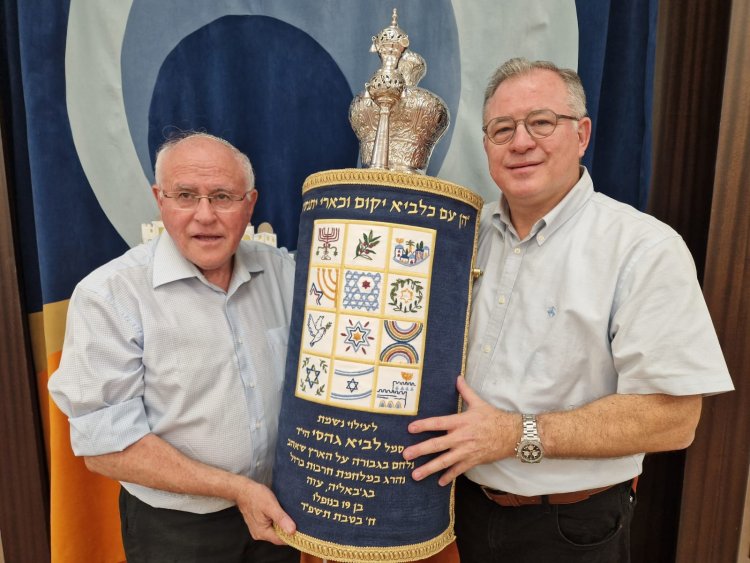
“Our Torah mantles were embroidered by 4,000 women around the world,” he adds. “Each mantle bears the name of the fallen, along with those who participated in the project, ensuring that every contribution is remembered.”
Where do these Torah scrolls find a home?
“Smaller congregations that receive them commit to reading from them regularly,” Lentzkeron explains. “We are also launching a unique project: inserting memorial pages for each fallen soldier into a special set of five Torah volumes, creating a lasting tribute for families.”
One family taking part is that of Keshet Kesruti, who was killed at the Nova festival. His mother, Natalia, shares, “In the last years of his life, Keshet grew closer to Judaism, putting on tefillin and keeping Shabbat. Though I am secular, I find comfort in lighting Shabbat candles and being part of this project.”
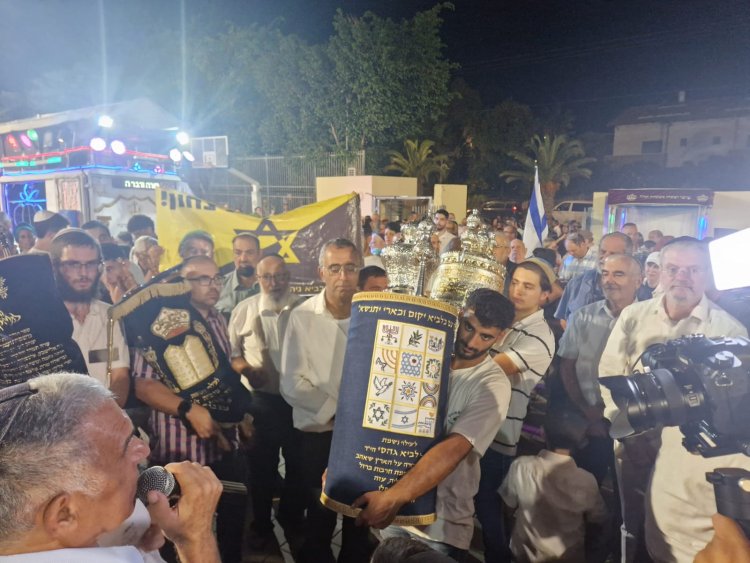
Their Torah mantle was embroidered with care, turning grief into action. In a moving ceremony, the Torah was welcomed into their synagogue, strengthening Jewish identity and continuity.
“I hope we can fulfill this ambitious goal,” Lentzkeron concludes, “ensuring that every fallen soldier is honored with a renewed Torah. Our work continues, driven by the belief that no family should be left alone.”

